What “No Municipal Utilities” Means at Slab City
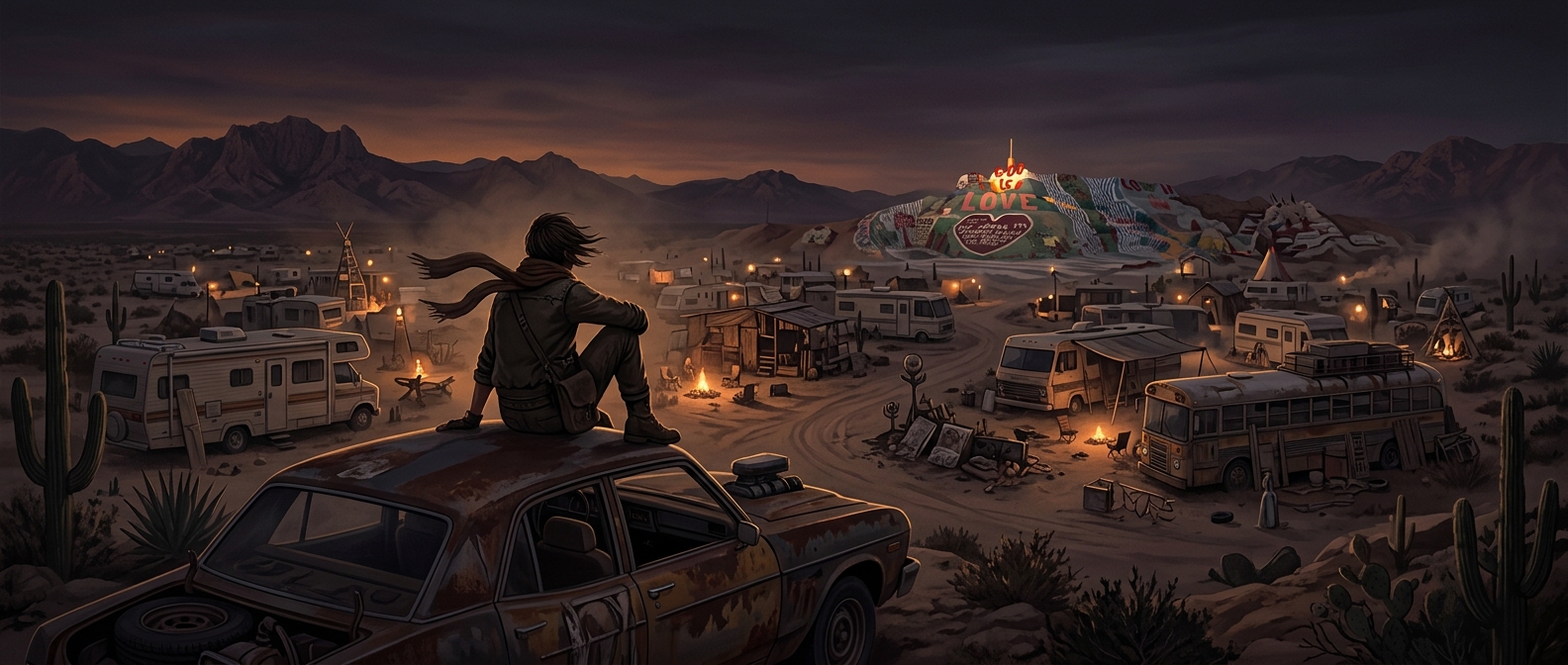
In most towns, water and electricity arrive through shared systems: pipes connect homes to a water provider, and power lines connect them to a utility. Slab City, an off-grid settlement in California’s desert, has no such municipal networks. Residents cannot simply turn on a tap or plug into a town power grid; they must arrange those essentials themselves.
Daily Life Depends on Individual Solutions
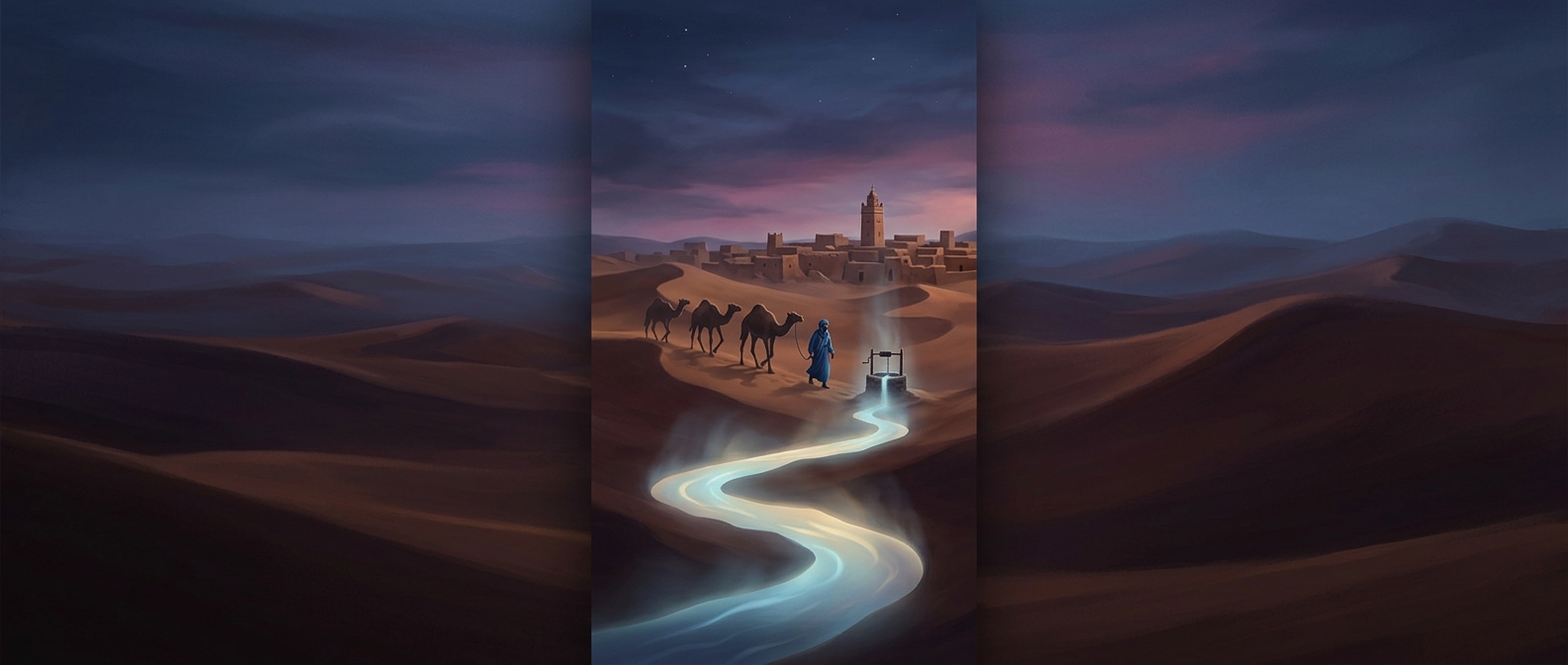
Water has to be brought in or obtained through other local arrangements, while electricity may come from personal solar panels, generators, or a combination of sources. Those systems differ from one camp to another, so access and reliability are not uniform. A cloudy stretch can matter to someone relying on solar power; a water supply must be managed rather than treated as an endless service.
The setting makes that work especially consequential. In a hot, arid place, water is not just a household convenience, and power can support basic needs such as refrigeration and communications. Living off-grid shifts the burden of infrastructure from a public provider to each resident.
The Tradeoff Behind the Open Space
That independence is part of what makes Slab City distinct, but it also means ordinary services cannot be assumed. A visitor should not expect the dependable hookups or routine amenities of a conventional campground or town. The absence of municipal utilities is not merely a technical detail: it shapes how people prepare, what they can maintain, and how they experience daily life in the desert.