Why deserts often look rocky
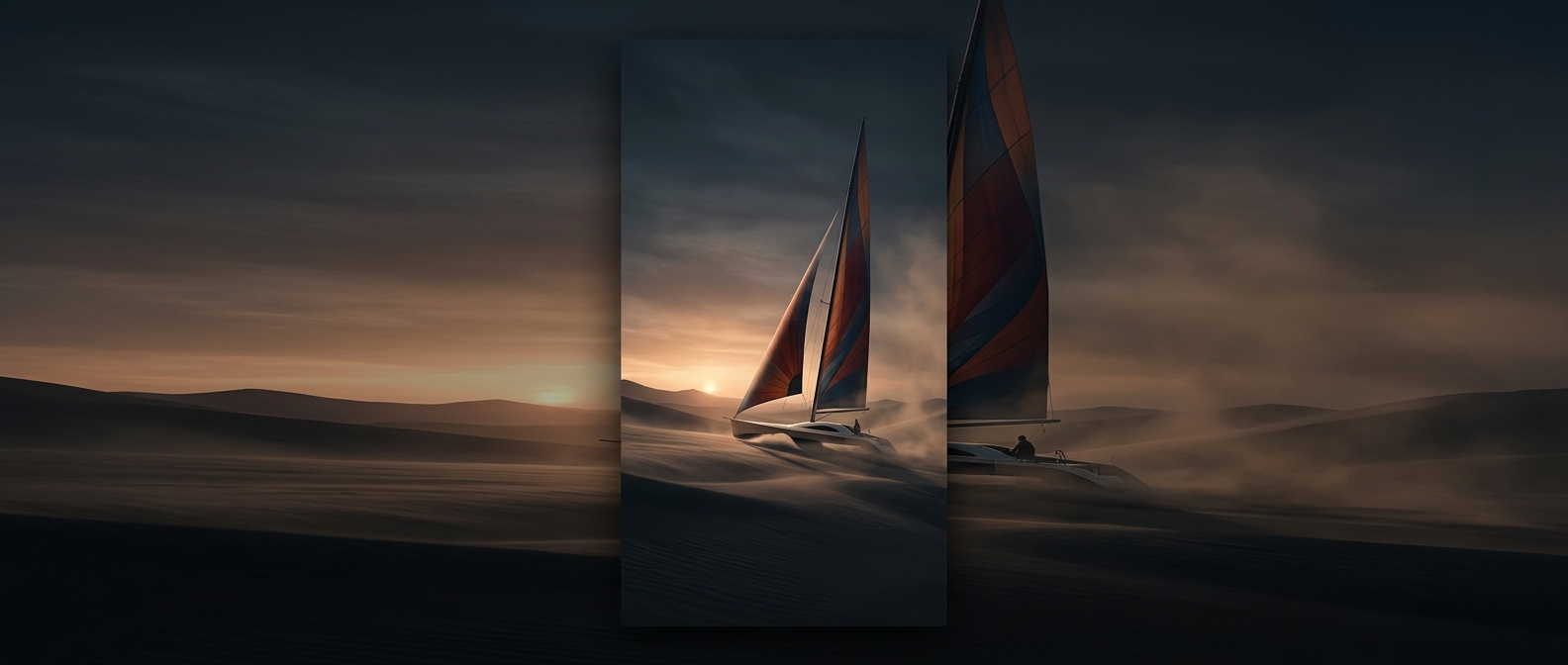
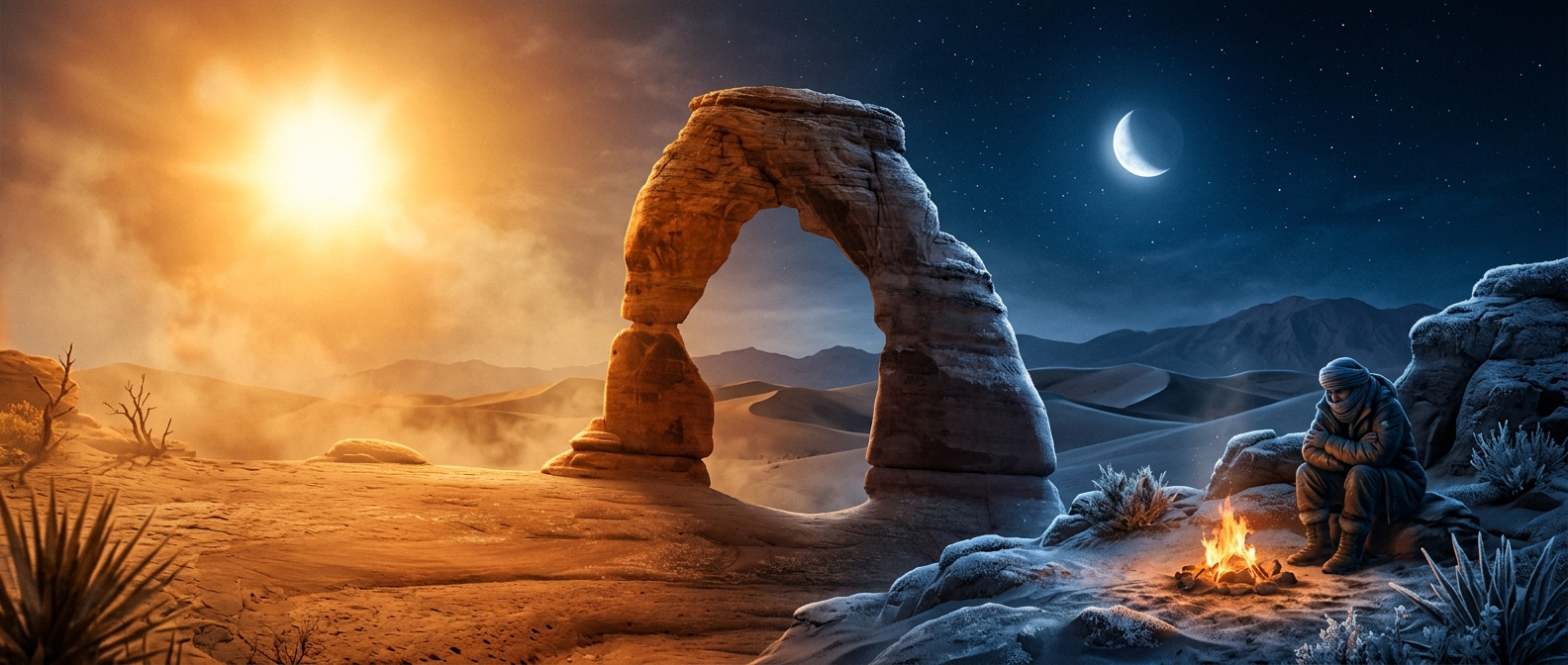
A desert is defined by how little precipitation it receives, not by whether its surface is sandy. With too little rain or snow to sustain much plant growth, bare ground is common—but that ground can be gravelly, stony, or exposed bedrock. Sand dunes are only one possible desert landscape.
How the sand gets sorted
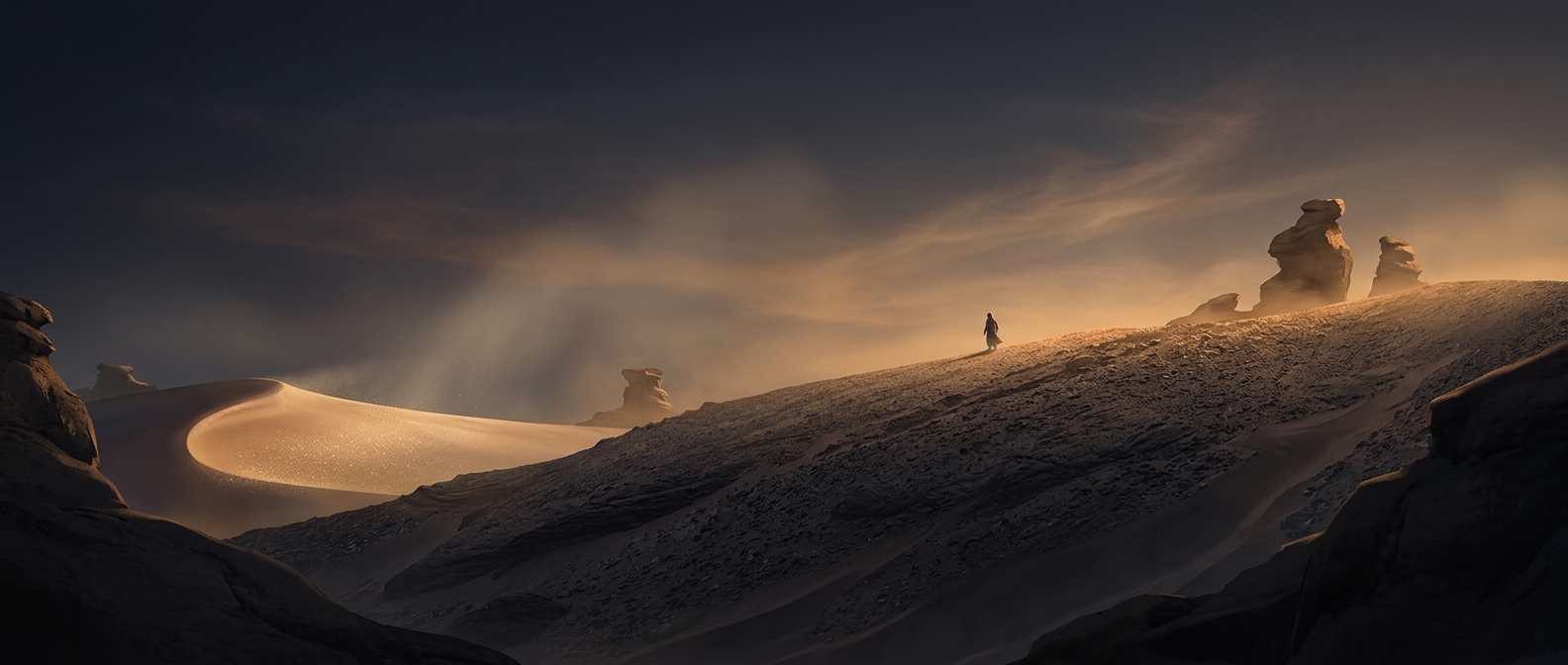
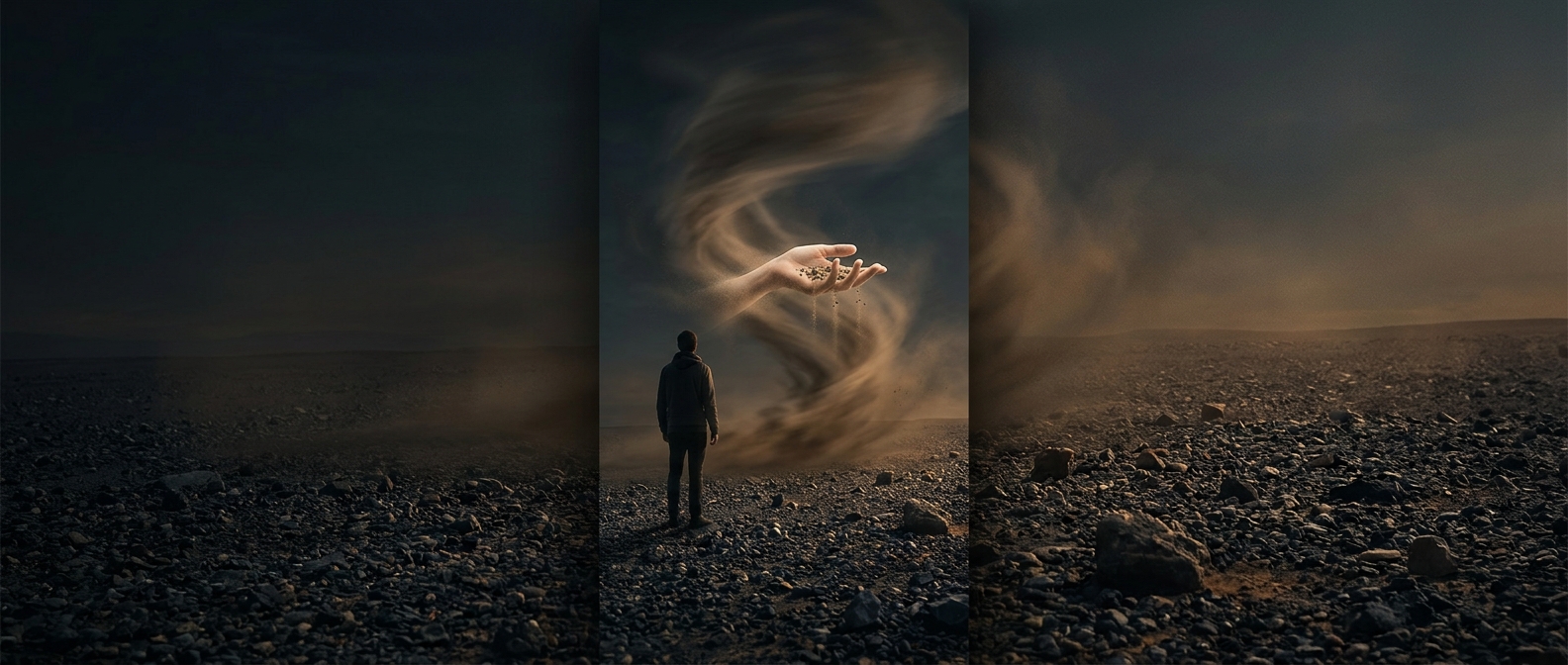
Wind can lift fine dust and carry it far away, while heavier grains settle nearby. Over time, this sifting leaves behind a pebbly surface called desert pavement: a tightly packed layer of stones that can shield finer soil underneath from further erosion. In other places, wind gathers loose sand into dunes, especially where there is enough sand to supply them and terrain or vegetation helps slow it down.
Water also shapes desert ground. Brief storms can send muddy floods through dry channels, spreading gravel and sediment across broad fans. As the water disappears, the coarser material remains, creating hard, stony terrain rather than a sea of dunes.
A landscape with more than one texture
A single desert may contain rocky plateaus, gravel plains, dry riverbeds, and pockets of dunes. The familiar image of endless sand captures one dramatic feature, but it leaves out the processes that make many desert journeys feel underfoot like crossing stone and grit—not sinking into a dune field.