Why a Horse May Change Its Line
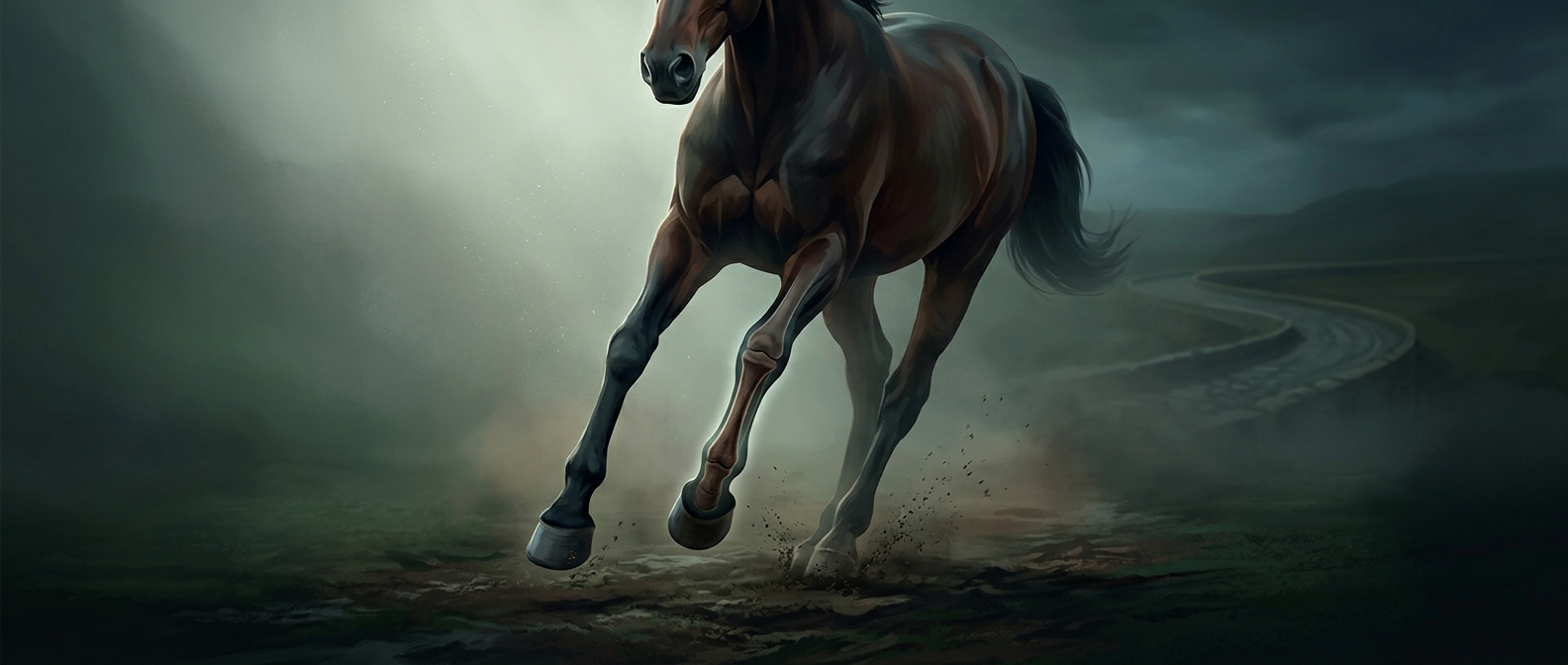
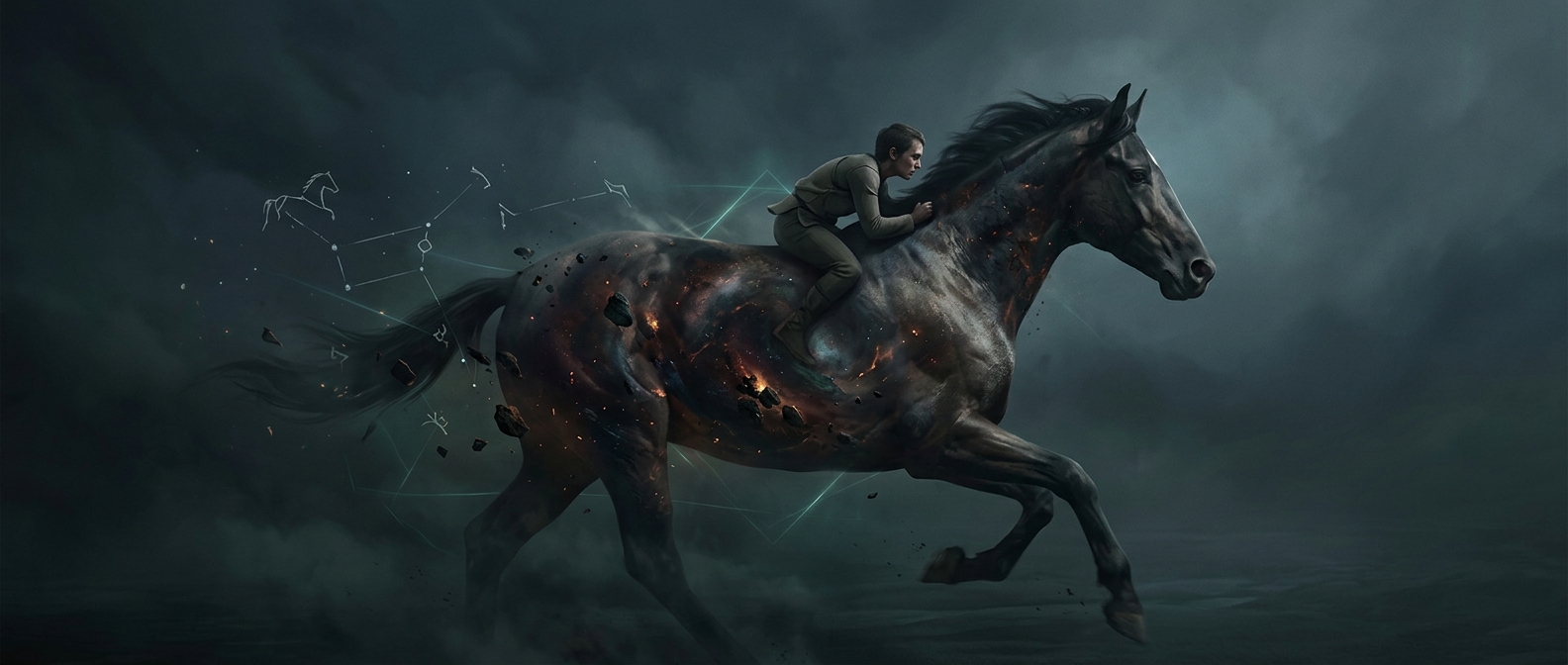
A horse moving at a gallop has to place each hoof in sequence while its body surges forward. On uneven or slippery ground, a safe stride depends on tiny adjustments in speed, balance, and foot placement. The horse can feel the surface through its hooves and see obstacles ahead, so it may shorten a stride, shift around a rut, or hesitate before the rider has time to notice the problem.
Reins Signal; They Do Not Turn the Neck Like a Wheel
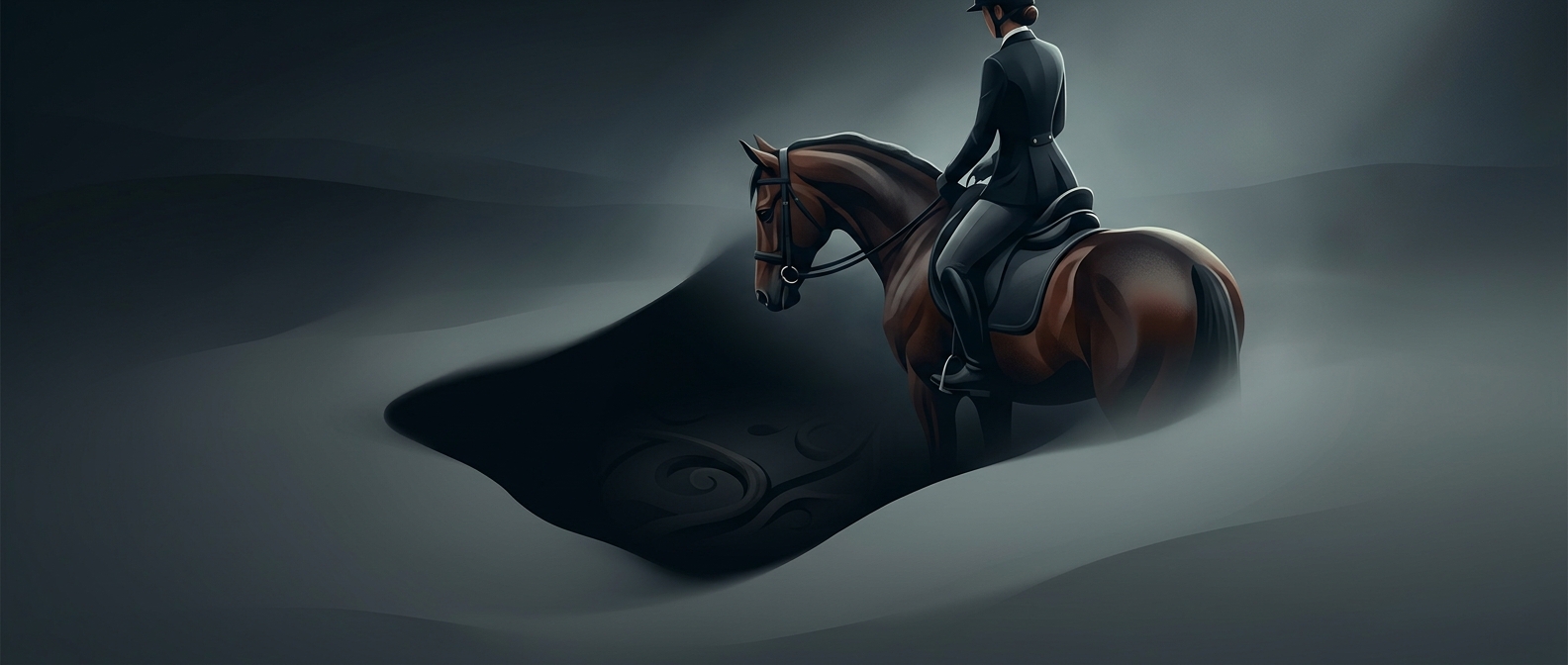
A rein carries pressure from the rider’s hand to the horse’s mouth or headgear. The horse learns to interpret that pressure alongside cues from the rider’s legs, seat, and body position. These signals guide direction and pace, but they do not mechanically force the horse’s whole body onto a new path. A sharp turn at speed, for example, also requires the horse to balance and place its feet safely.
That is why a rider may ask for a line while the horse adjusts it to meet the ground. The response can look like disobedience, but it may be a practical reaction to footing, an obstacle, or loss of balance. Training helps horse and rider coordinate their cues; it does not remove the horse’s need to make moment-to-moment movement choices.
The Rider’s Real Job
Good riding is less like steering a vehicle and more like communicating with a powerful partner in motion. The rider sets a direction and supports the horse’s balance, while the horse supplies immediate information about the surface beneath it. At a gallop, that division of work matters: the rider can request a route, but safe foot placement still depends on the animal taking each stride.