A closer look
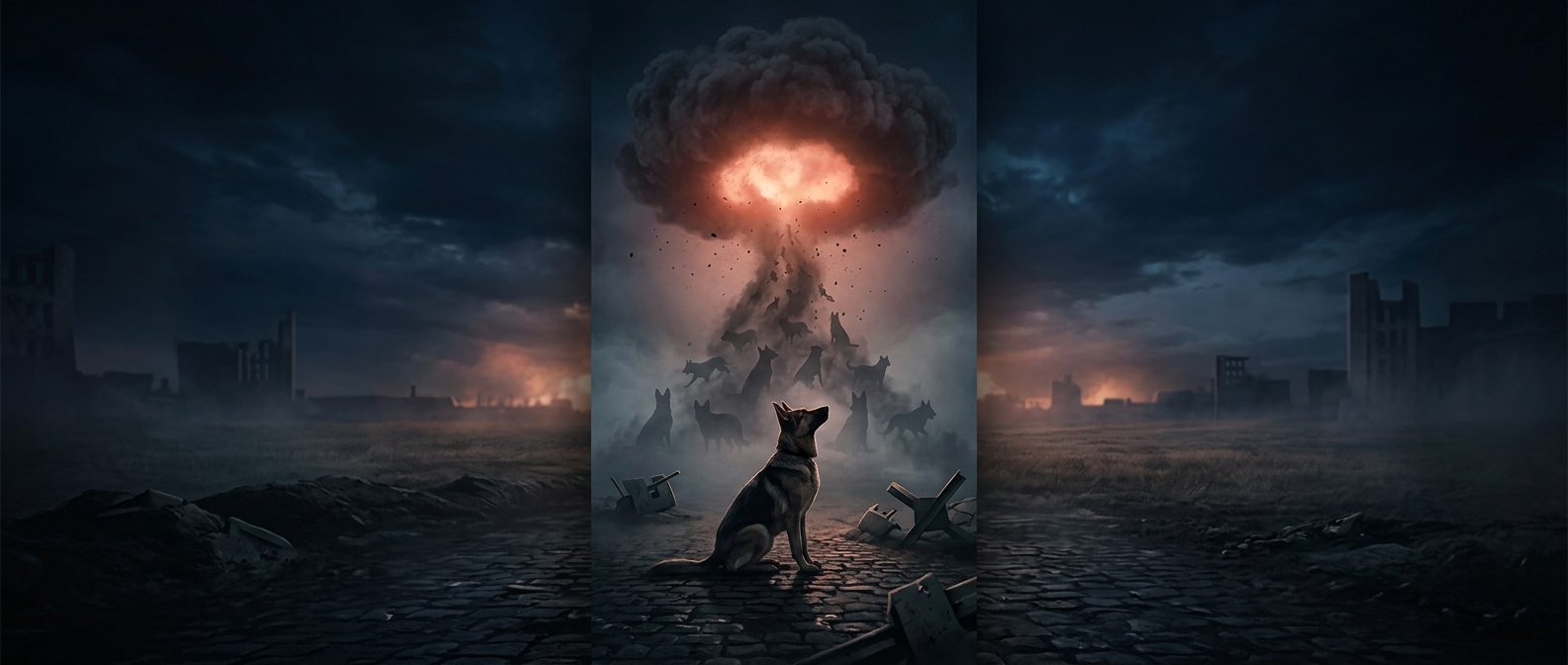
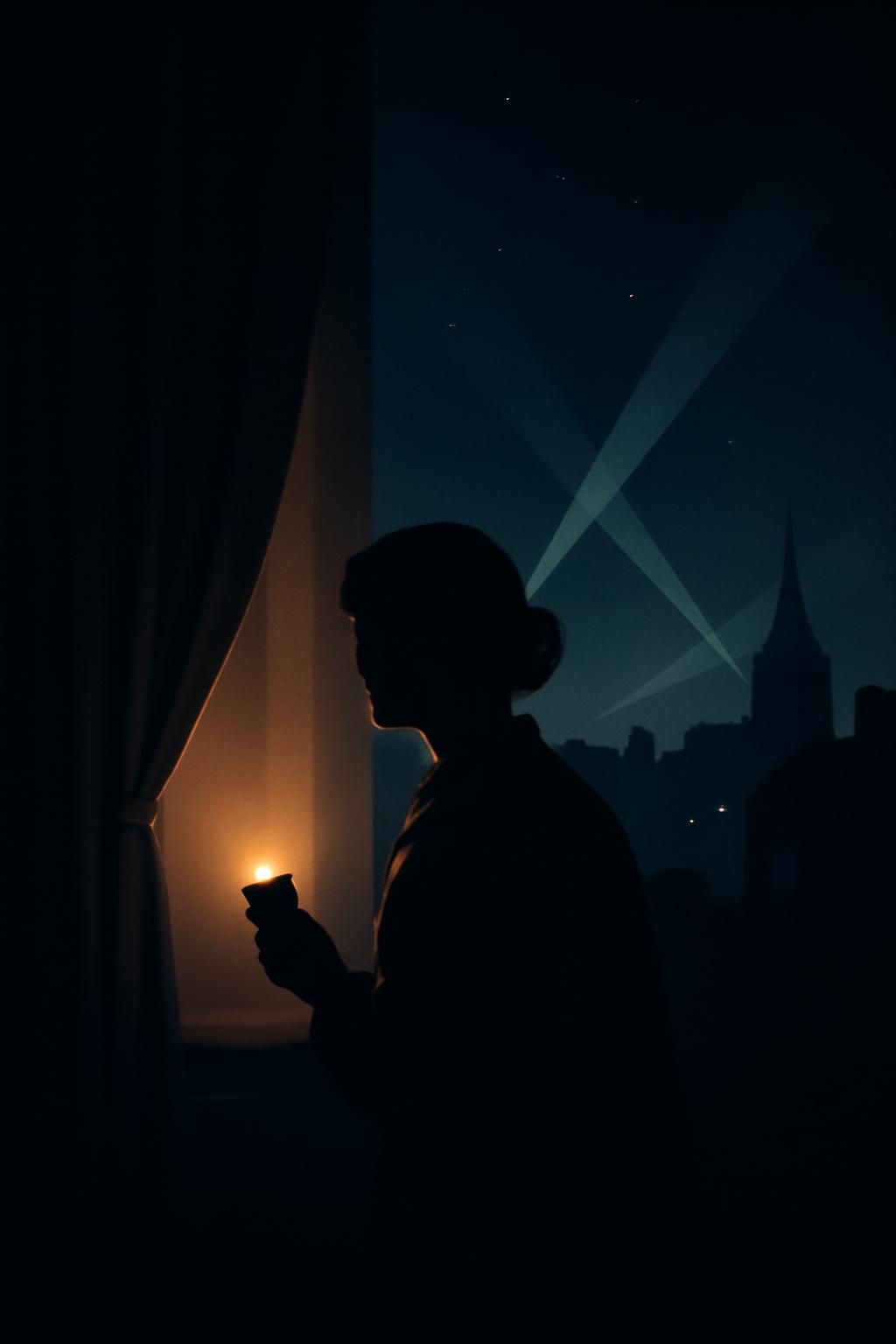
Imagine living years of your life in semi-darkness because light itself had become a target. During World War II, cities across Europe enforced blackout regulations so enemy bombers could not easily spot their targets at night. Windows were painted or covered with thick curtains, streetlamps were dimmed or switched off, car headlights fitted with slitted shades. People stumbled through pitch-black streets, groping along walls, sometimes carrying tiny shielded torches. Accidents, crime, and anxiety soared. Yet everyday life had to continue: babies were born by candlelight, students revised in bomb shelters, lovers met under starrier skies than most modern cities will ever see again. The blackout changed social rhythms, pushing gatherings indoors and deepening a sense of collective vulnerability. When we complain today about a poor internet connection, it is worth remembering there was a generation whose main notification that danger was coming was the sudden wail of sirens slicing through enforced darkness.