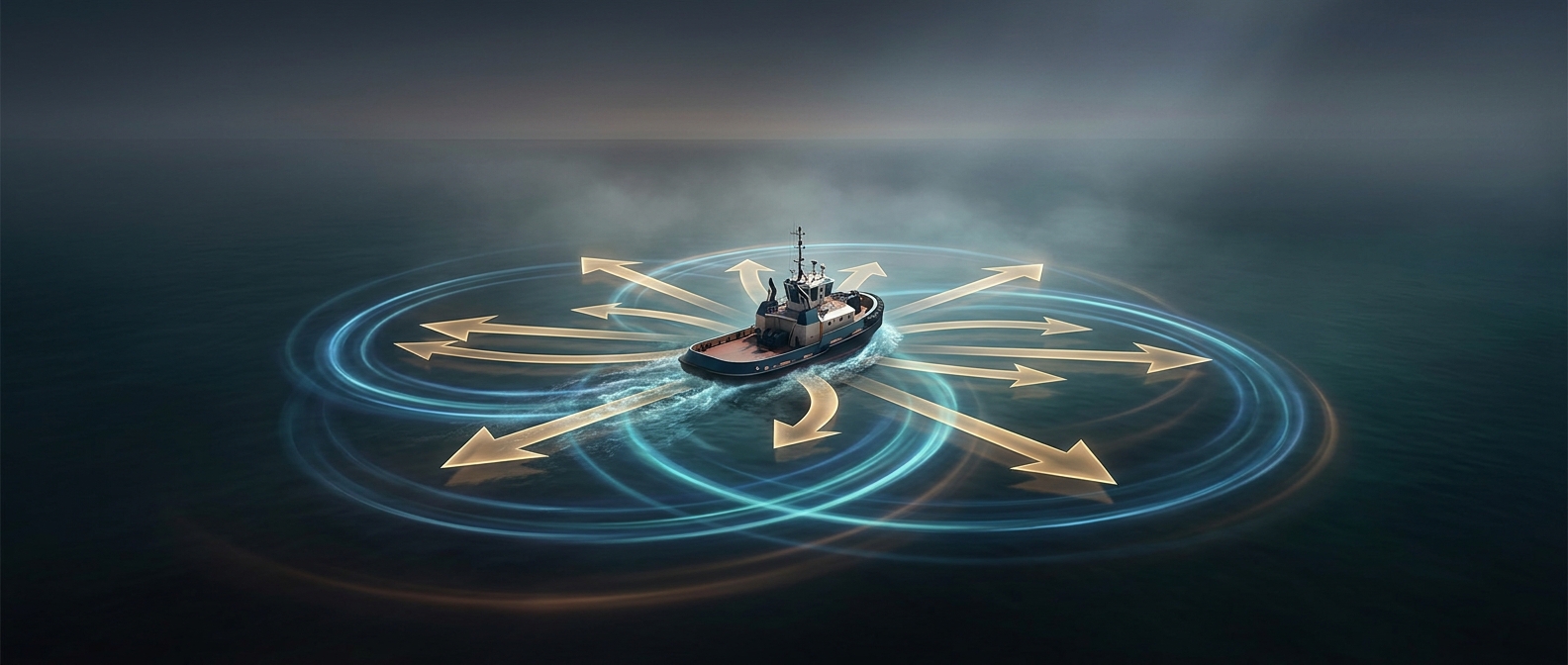
The nozzle steers by redirecting thrust
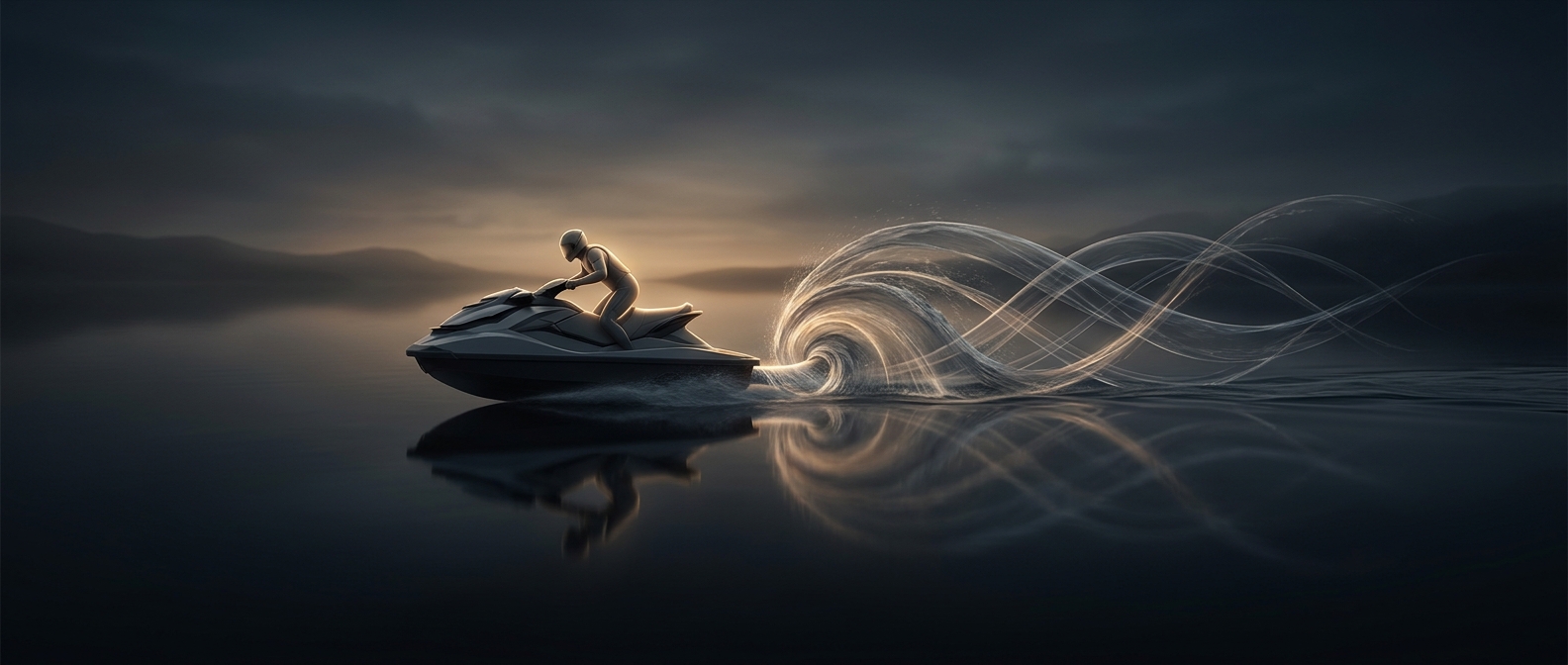
A jet ski does not steer with a rudder dipping into the water. Its engine drives a pump that pulls water in beneath the hull and forces it out through a nozzle at the back. Turning the handlebars swivels that nozzle, aiming the outgoing stream to one side. The redirected water pushes the craft the other way, changing its path.
That push depends on water moving through the pump. When the engine is producing thrust, the nozzle has a strong stream to redirect. When the throttle is eased, the stream weakens, so turning the handlebars produces less steering force. The controls still move, but the craft may not respond as sharply.
Why letting off can change a turn
A conventional boat can use a rudder because the rudder steers by deflecting water flowing past it as the boat moves. A jet ski’s steering force comes mainly from its own powered water jet. That difference matters when a rider expects coasting to preserve the same control: reducing power also reduces the force available to turn.
It is a consequence of the propulsion system doing two jobs at once. The pump moves the craft forward, and its exhaust stream supplies the force that steers it. In a turn, throttle is therefore not just about speed; it also helps determine how much authority the handlebars have over the watercraft’s direction.