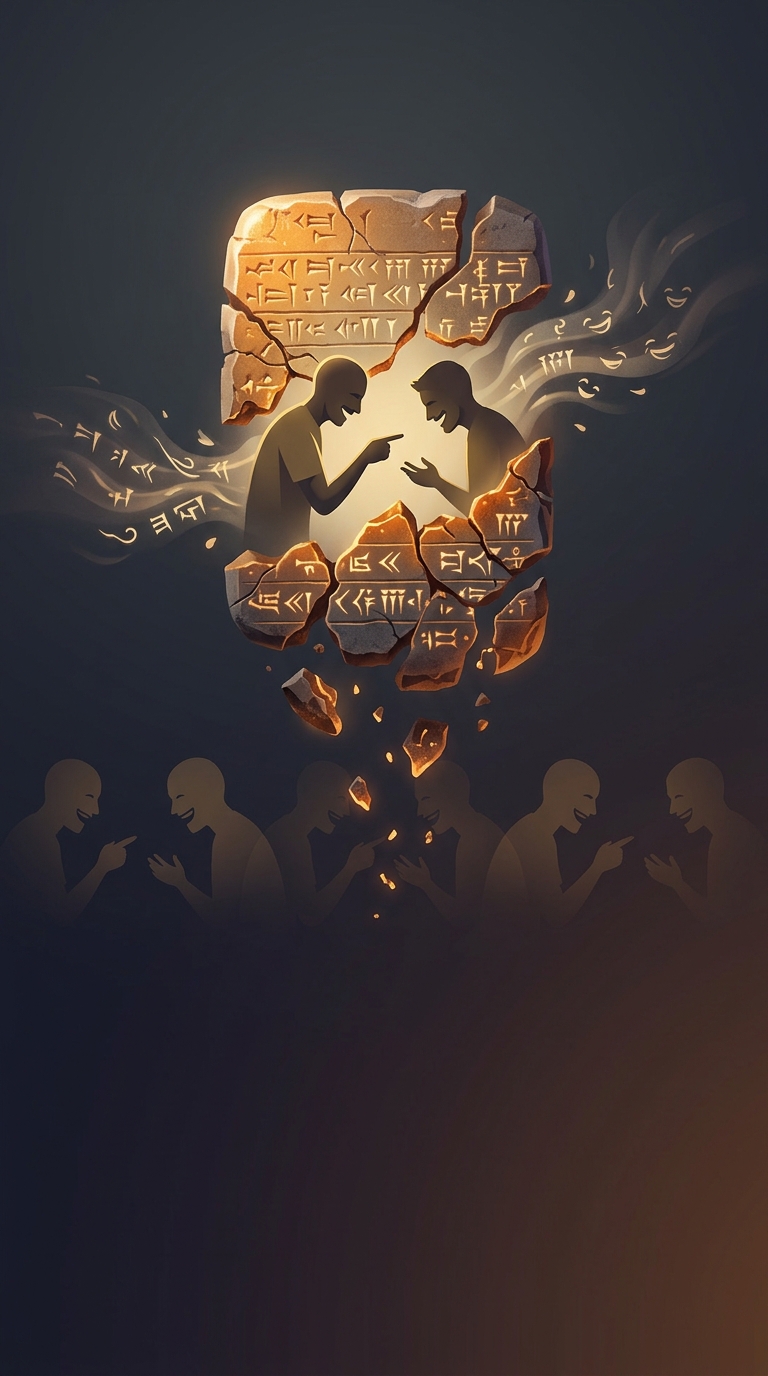
A mother-in-law of a riddle, in cuneiform
A Babylonian tablet from roughly 3,500 years ago preserves a collection of riddles, including a crude insult that modern readers recognize as a forerunner of the “yo-mama” joke. The text is damaged, and its wording and punchline are hard to make sense of today. That uncertainty is part of the story: the joke survived, but the shared assumptions that once made it land did not.
Riddles were more than entertainment
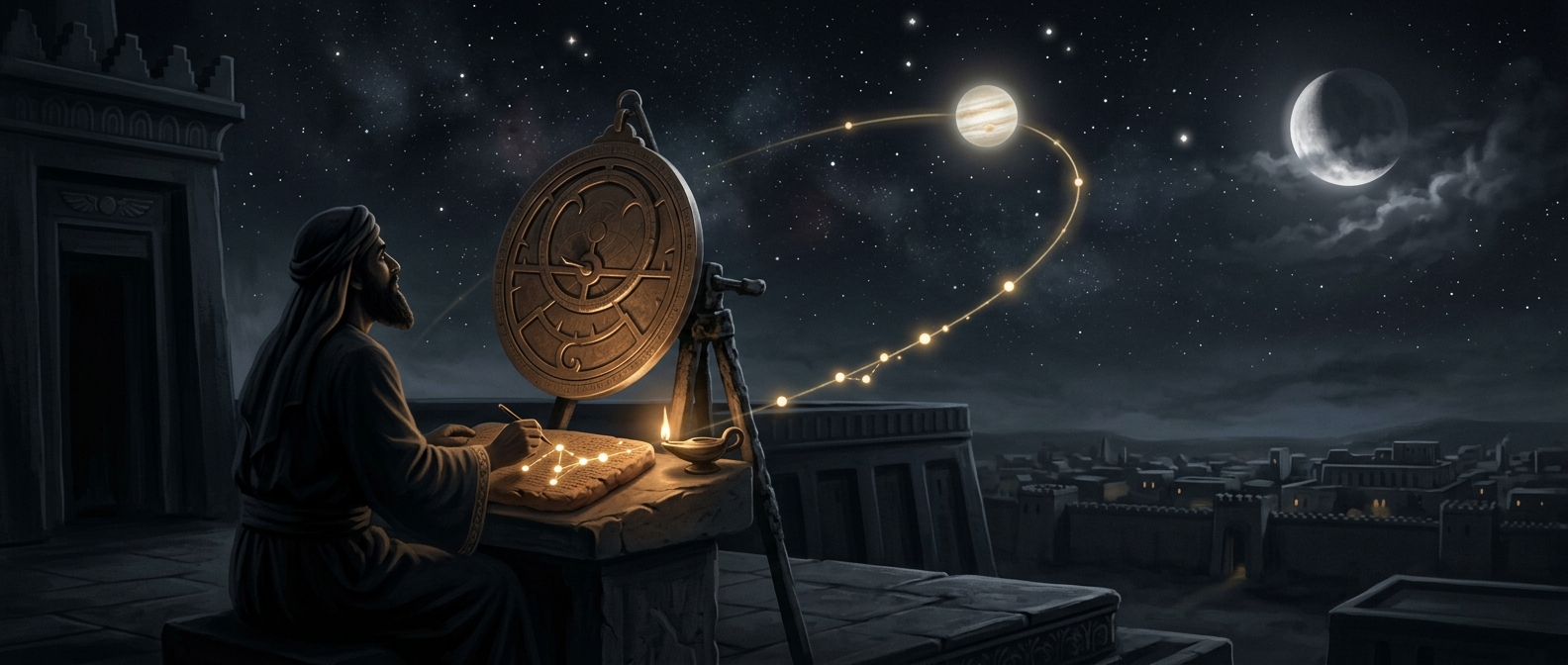
In ancient Mesopotamia, writing was maintained by trained scribes who learned to read and write cuneiform, a script made by pressing a reed stylus into clay. Riddle collections belong to a world where wordplay could test knowledge as well as amuse. Solving one might depend on a double meaning, a familiar object, or a convention that an audience understood without explanation.
A fragmentary punchline can therefore be difficult to recover even when scholars can read the signs. The missing context may matter as much as the missing words: an insult that once drew a laugh can become opaque when its language and social setting disappear.
The joke’s long afterlife
The tablet does not show that ancient people joked exactly as we do, or that every culture shares the same humor. It does show that someone thought a deliberately disrespectful mother joke worth putting into writing—and that the clay preserved it for millennia.
That is a striking contrast with the grand records of kings and empires: amid the traces of formal scribal culture, a school-trained writer also left behind a joke whose precise punchline no longer quite works.