What the “cloud” actually describes
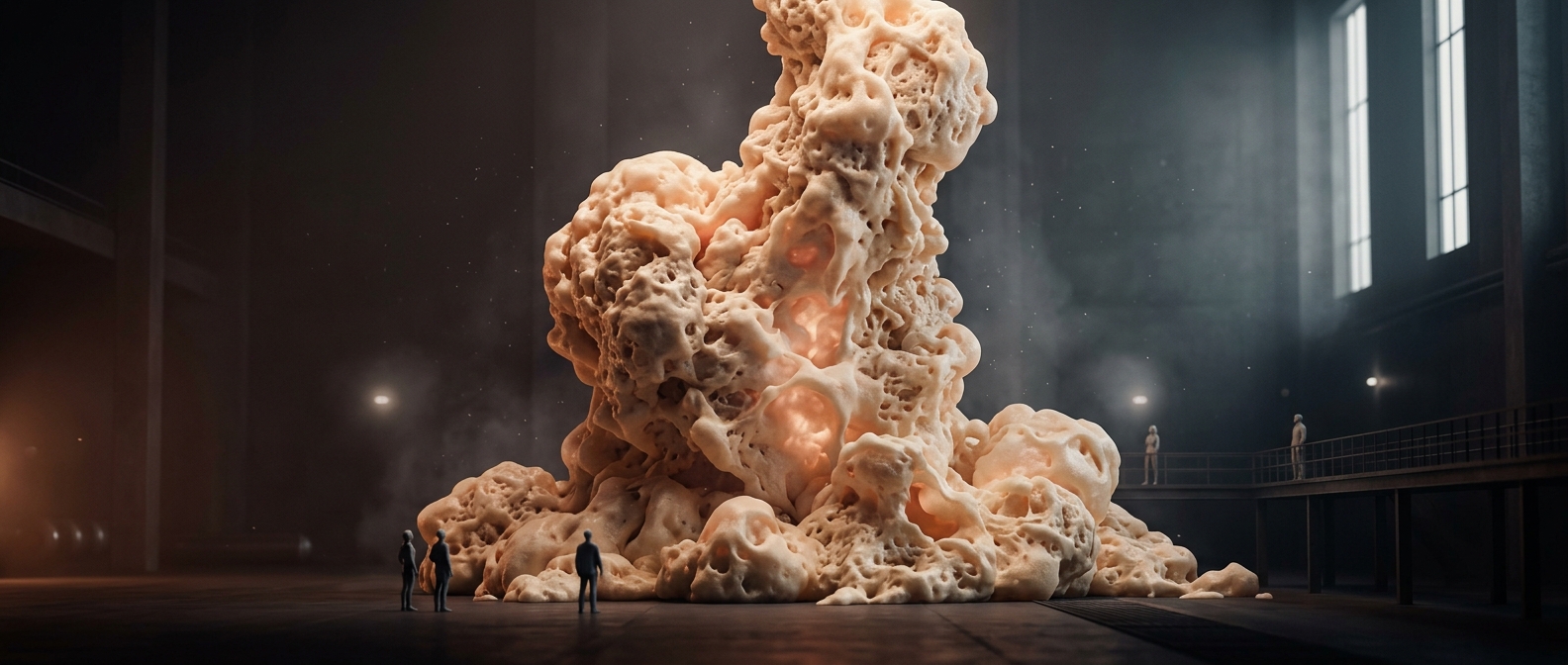
An electron’s quantum state is not a map showing where a hidden bead is waiting. It is a mathematical description that lets physicists calculate the chances of different measurement results. For position, the state assigns probabilities across possible locations; it does not mean the electron is physically smeared like mist through space.
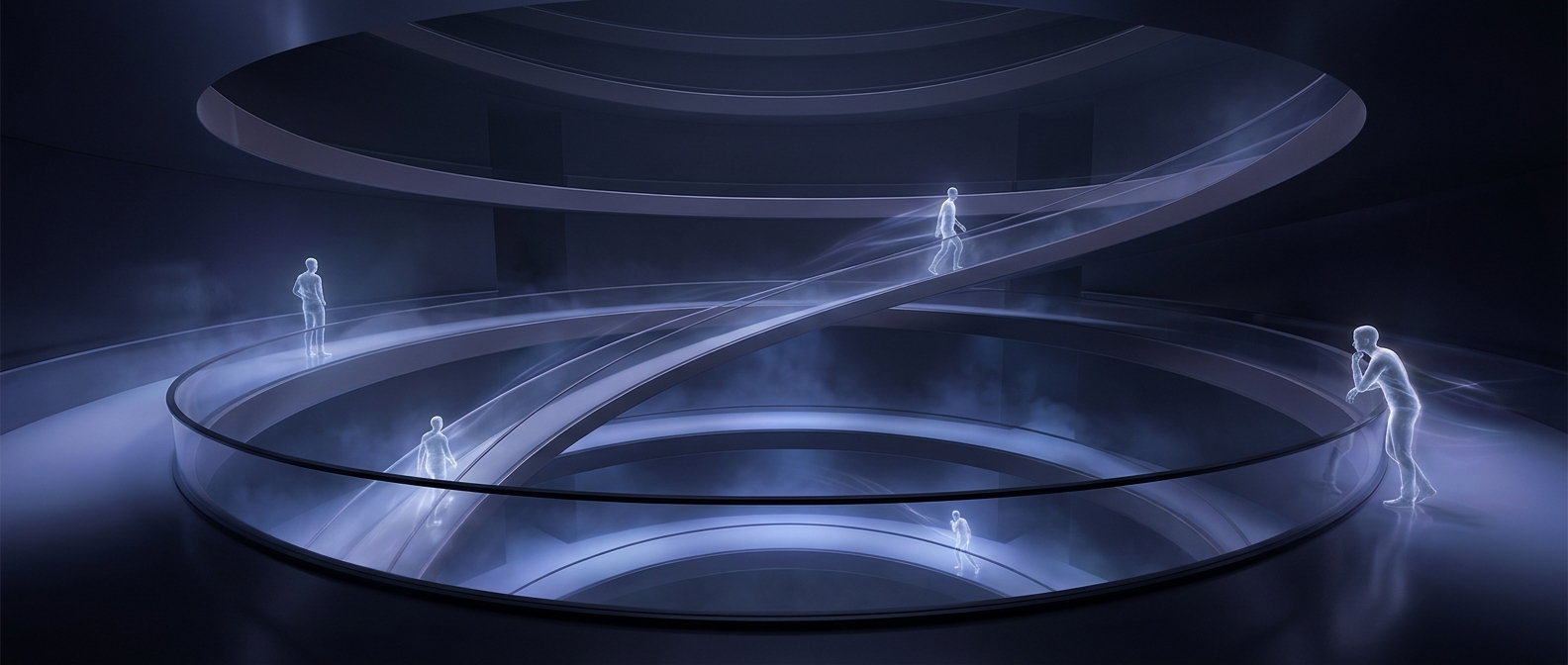
The underlying description includes probability amplitudes, quantities that combine like waves. Unlike probabilities, amplitudes can reinforce or cancel one another. That is why an electron’s possibilities can produce patterns that a simple picture of a particle following one unknown route cannot explain.
How possibilities leave a pattern
In a double-slit experiment, electrons sent toward two narrow openings build up a striped pattern on a detector, even when they are sent one at a time. Each arrival registers at one spot, but the distribution of many spots reflects the wave-like combination of the alternatives available before detection. If an apparatus records which opening an electron goes through, the interference pattern disappears: the information-producing interaction changes which alternatives can combine.
A measurement does not require a person looking. A detector, or another physical system that records information about the electron, is enough. Quantum theory predicts a definite recorded result for each detection, while the state before detection supplies the probabilities for those results.
That makes the “several places at once” phrase useful only as shorthand for available quantum possibilities—not as a claim that tiny duplicate electrons occupy the room. The surprising part is that those possibilities can interfere, then leave a single, localized mark.