The listener has two jobs at once
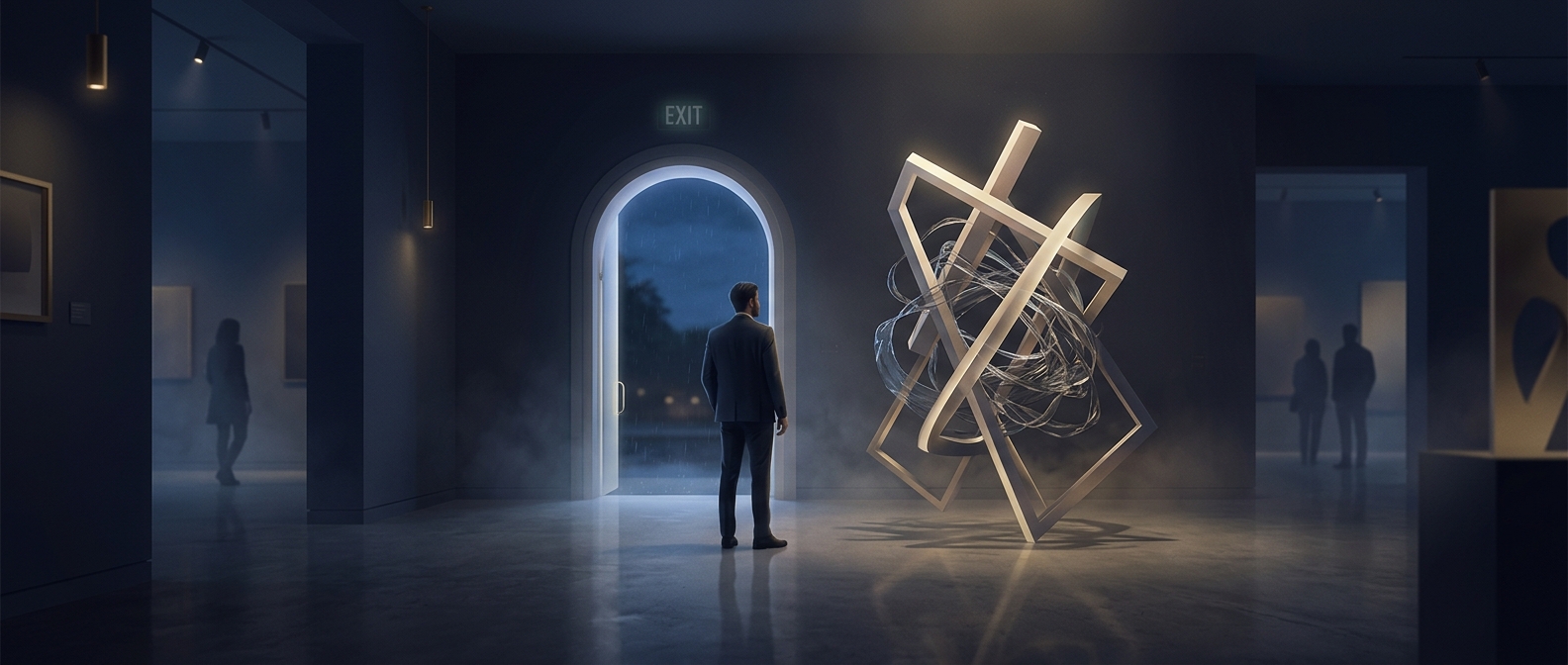
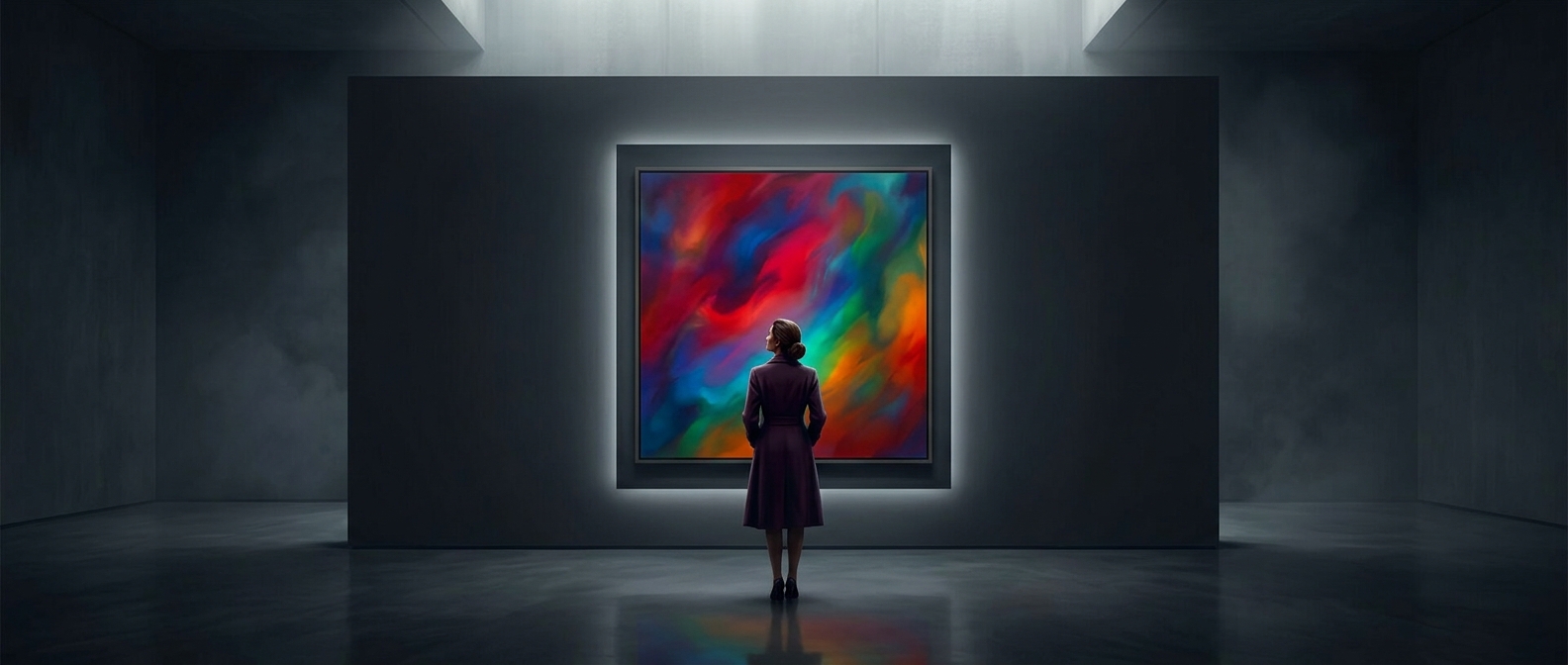
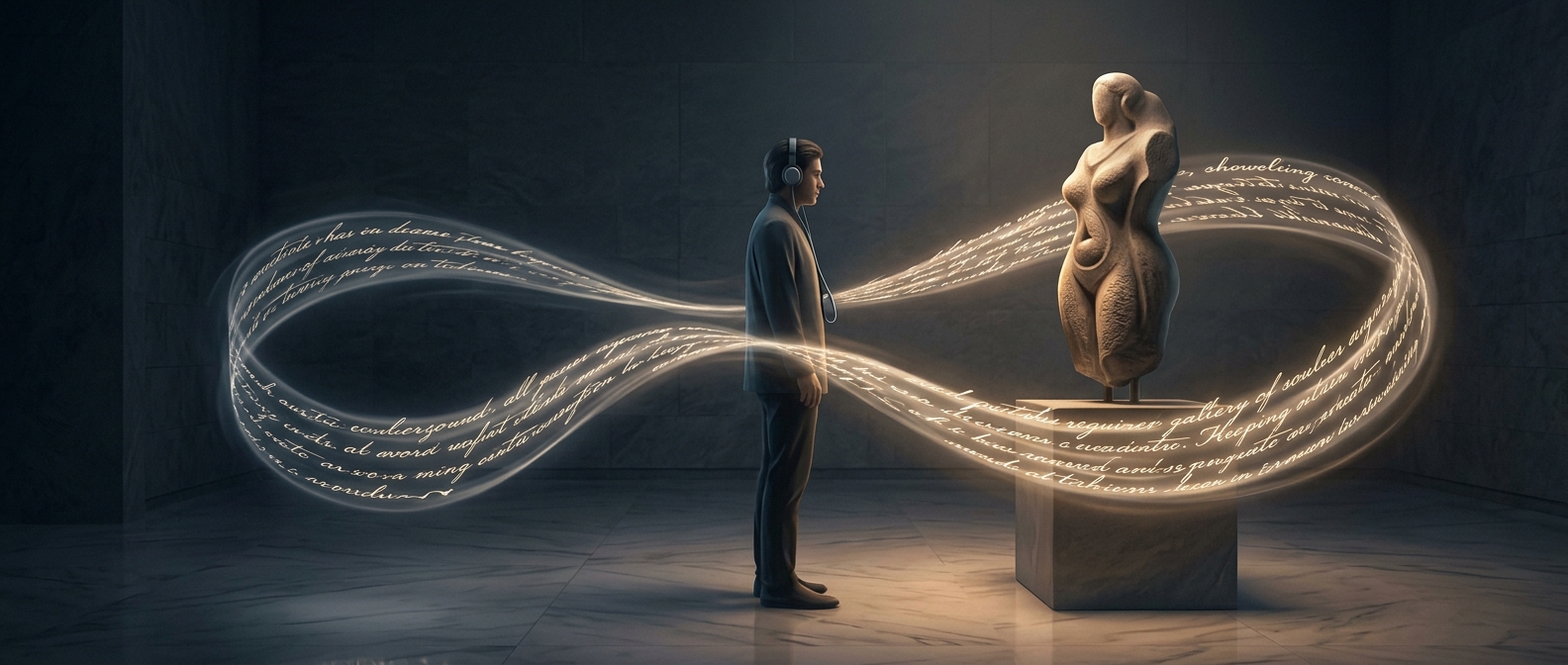
A museum recording is heard while the visitor is looking. That makes it different from a podcast or conversation: the listener must follow spoken explanations and inspect an object, label, or room at the same time. If narration keeps arriving while the eyes are still finding the detail it describes, the words can outrun the exhibit.
A measured delivery creates room for that visual task. A visitor can shift attention from the speaker’s description to a small mark on a painting, then back to the audio without losing the thread. The pace also gives unfamiliar names or ideas a moment to register before the next point begins.
Silence is part of the interpretation
The gap between sentences is not necessarily dead air. It lets a visitor look, compare, or simply decide what seems interesting. In a gallery, people also pause, turn around, and move at different speeds; narration that leaves breathing room is easier to follow without making every listener feel hurried.
That is why a guide’s tempo is a design choice, not merely a reading style. The recording has to share attention with the artwork and accommodate a visitor who may be standing in front of it rather than sitting still. Slower speech gives the object time to become part of the listening experience.