A robe built for ordinary use
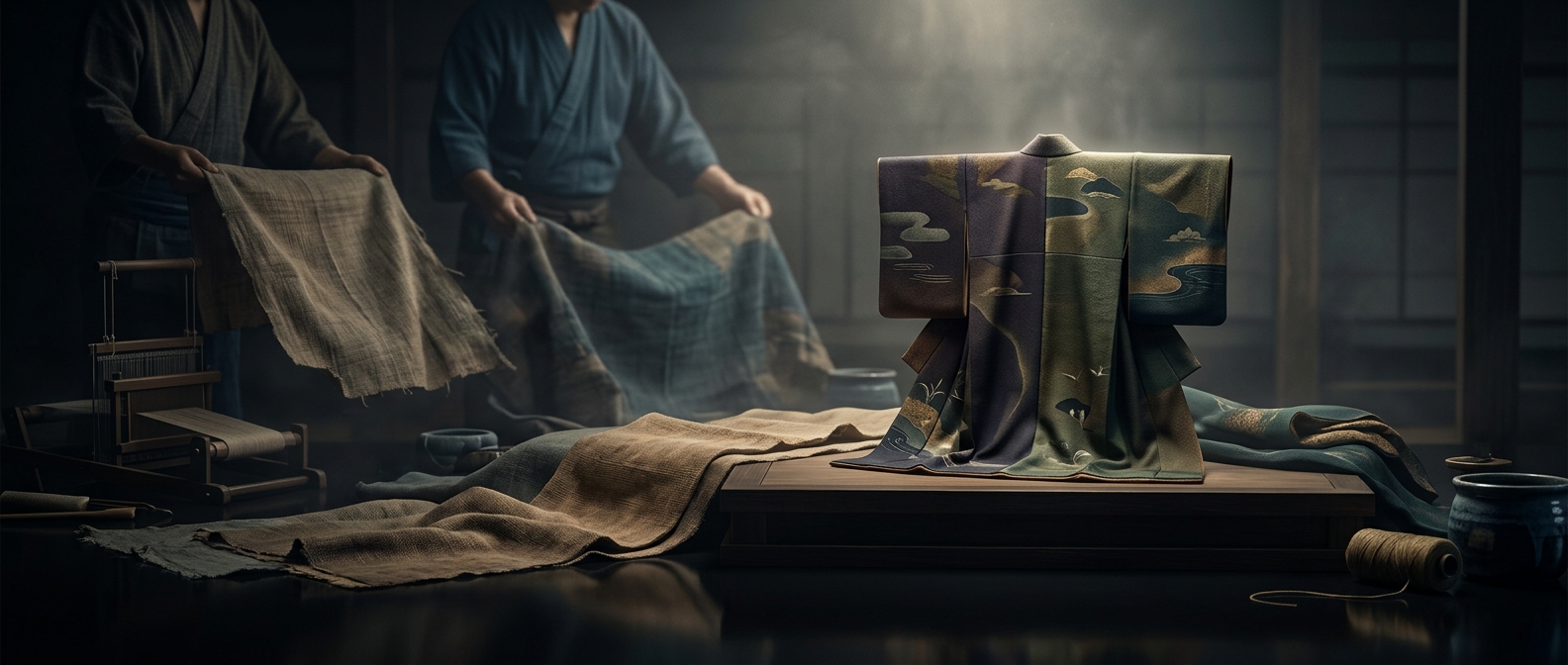
The kimono’s practical shape comes from how it was made. Its body is assembled from long, mostly straight pieces of cloth, rather than cut to follow the wearer’s curves. That construction made the garment adaptable: the same basic robe could be fitted to different bodies by folding the fabric across the chest and securing it with a sash. Extra cloth could be tucked or let out as needed.
The design also suited a layered wardrobe. People could wear robes over or under one another, adjusting what they wore to the weather and the occasion. The familiar silhouette was not born as a special uniform for ceremonies; it grew out of clothing people could wear in daily life.
How daily dress became formal dress
The history was gradual, not a sudden change from “ordinary” to “ceremonial.” The kosode—a robe named for its relatively small sleeve openings—was worn by people in different settings, at first often beneath other garments. Over time, it became an outer garment. As clothing customs and styles changed, robes of this general form also became vehicles for showing status and occasion through fabric, color, pattern, and accessories.
That shift helps explain why a kimono can now seem so formal. Its shape remained recognizable while the materials and decoration could signal how an outfit should be read. A plain robe and an elaborately patterned one shared a practical foundation, even when they served very different social purposes.
A useful name for a familiar garment
“Kimono” literally means “thing to wear,” a straightforward name that reflects clothing’s everyday role. The word’s plainness contrasts with the care that later went into particular garments—but the contrast is the point: ceremonial meaning accumulated around a form that had begun as useful clothing.