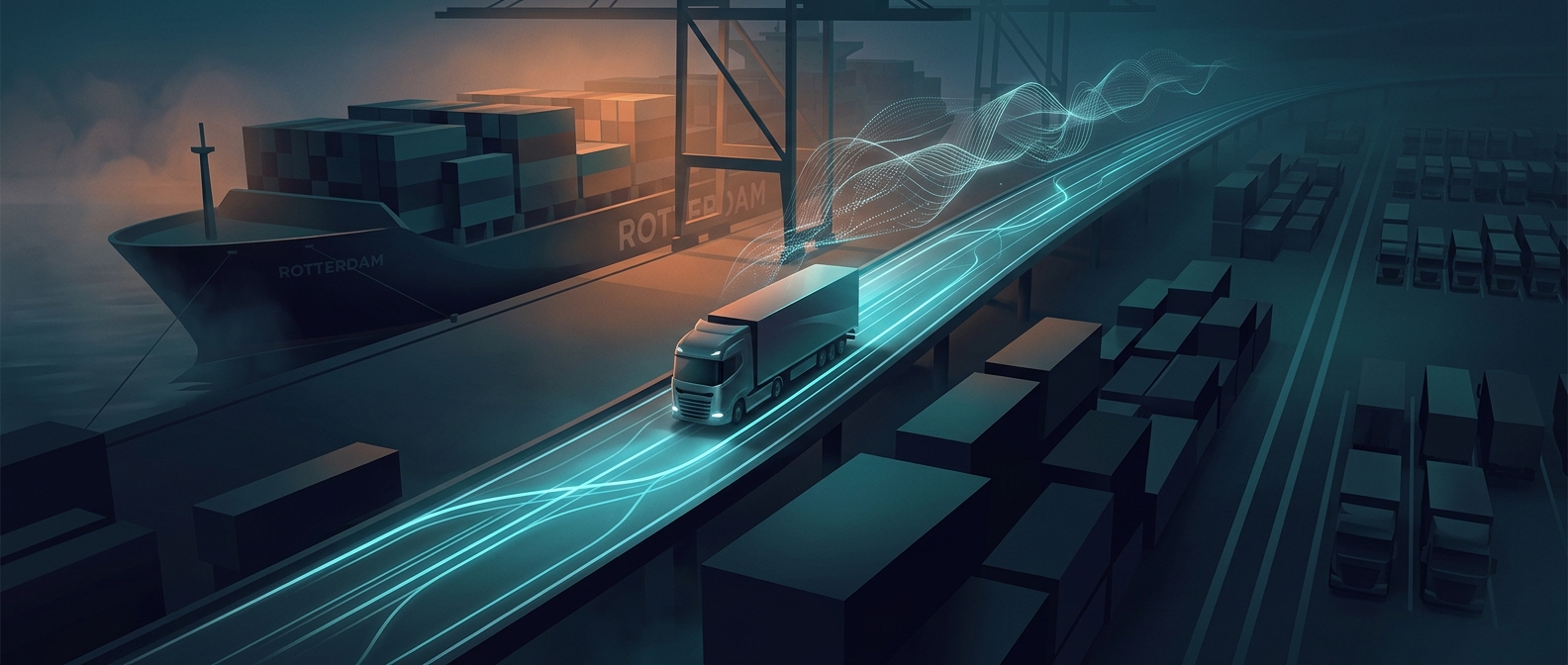
The queue begins before the gate
A port can process trucks only as quickly as its gates, yards and loading equipment can handle them. When more drivers arrive at once than the terminal can serve, the excess becomes a queue—often outside the port, where waiting trucks take up road space without moving cargo any faster.
Appointment systems shift part of that problem into planning. A truck is assigned a time window, and scheduling software distributes bookings across the hours when a terminal can receive them. The algorithm’s useful job is not simply to sort trucks by arrival time; it is to avoid promising more arrivals in a period than the terminal is equipped to absorb.
Smoother arrivals, not faster cranes
Spreading arrivals can make work more predictable for both drivers and terminal staff. A steadier flow gives the terminal a better chance of matching incoming trucks with available space and loading activity, while drivers can plan around a slot rather than join an unpredictable line. The system reduces congestion by coordinating demand with capacity, not by increasing the port’s physical capacity.
That distinction also explains the tradeoff. A slot is only useful if plans remain workable when a truck runs late or terminal conditions change. Scheduling can reduce the pileup caused by everyone arriving together, but it cannot eliminate delays caused by disruptions or a shortage of handling capacity. In Rotterdam, the calendar matters because a truck waiting at the wrong time can add to a road queue even when the terminal is busy doing the best it can.สล็อตออนไลน์