Why a comet hunter needed a list of look-alikes
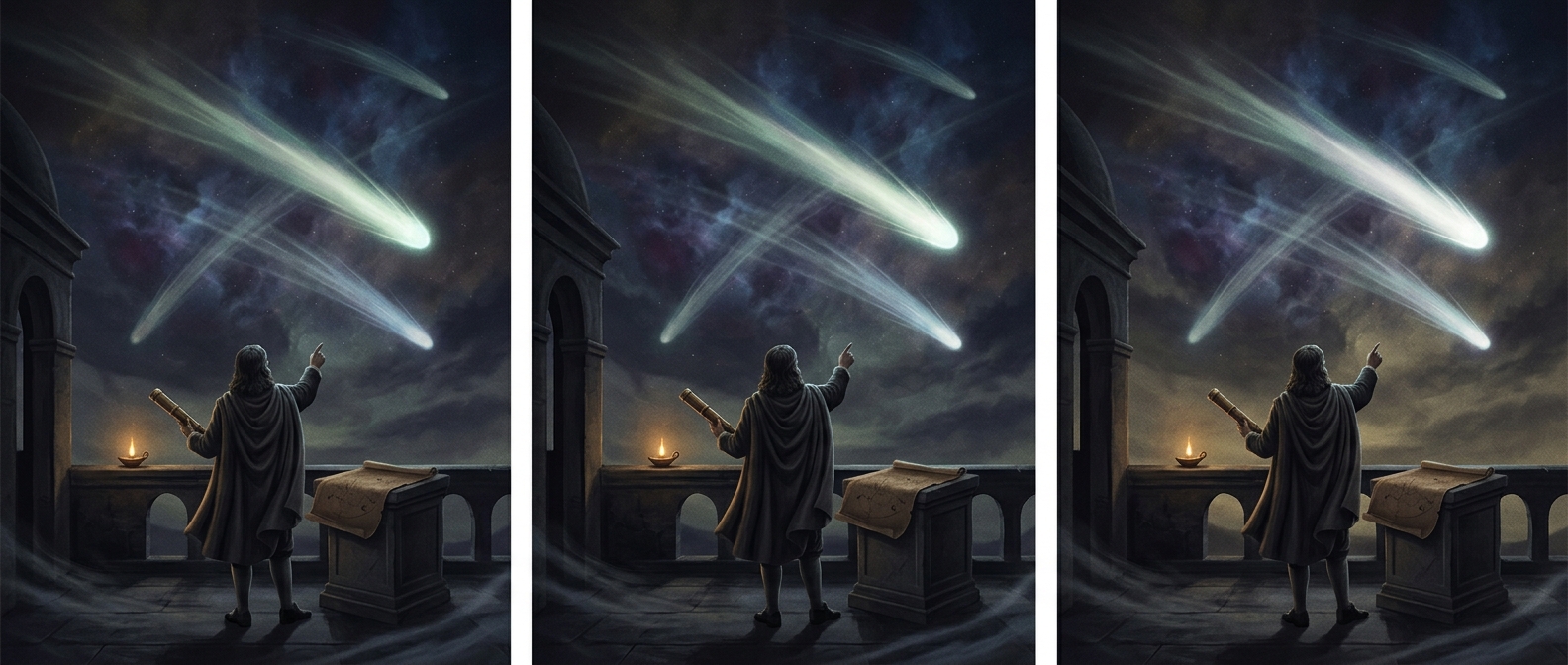
In the 18th century, a comet could appear in a telescope as a small, hazy patch rather than a crisp point of light. The crucial clue was motion: a comet shifted against the background stars from one night to the next, while a distant nebula or star cluster stayed in essentially the same place. But during a search, a fixed blur could still waste time—and briefly look like a discovery.
French astronomer Charles Messier recorded the positions of these persistent objects so he could check them and move on. His catalog was a practical observing aid, not an attempt to list every remarkable object in the sky. His fellow comet hunter Pierre Méchain also contributed observations.
From a working tool to a sky map
The catalog’s entries are now known by their “M” numbers: M1, for example, is the Crab Nebula. The list includes different kinds of objects, among them nebulae, star clusters, and galaxies. Their shared feature was not a single physical nature but their usefulness as things a comet searcher should recognize and not mistake for a moving visitor.
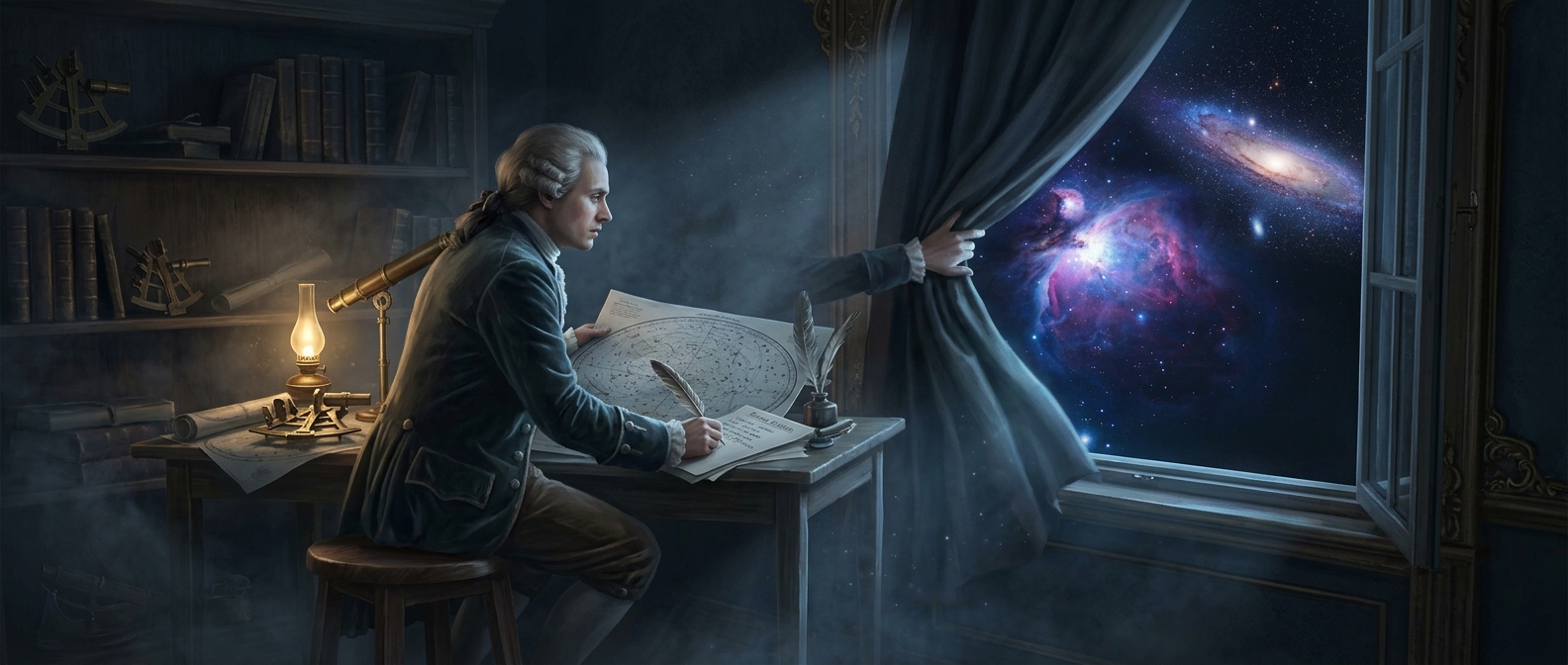
That limited purpose made the catalog unexpectedly useful to later observers. Messier’s records gave astronomers and sky-watchers a ready-made set of targets, each with a position that could be checked against the stars. Objects cataloged as distractions from comet hunting became landmarks for exploring the night sky—and the practical numbering system outlasted the search that created it.