A Soft Boundary in a Narrow Carriage
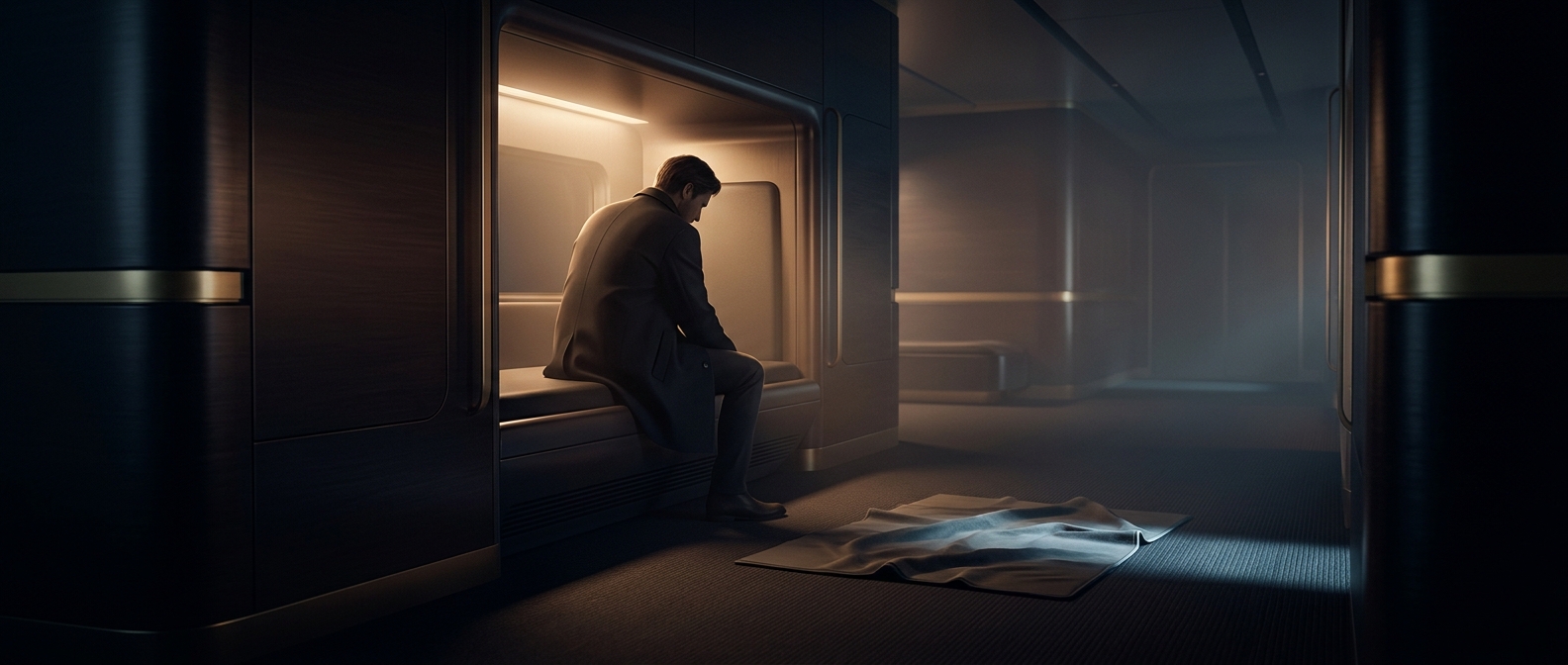
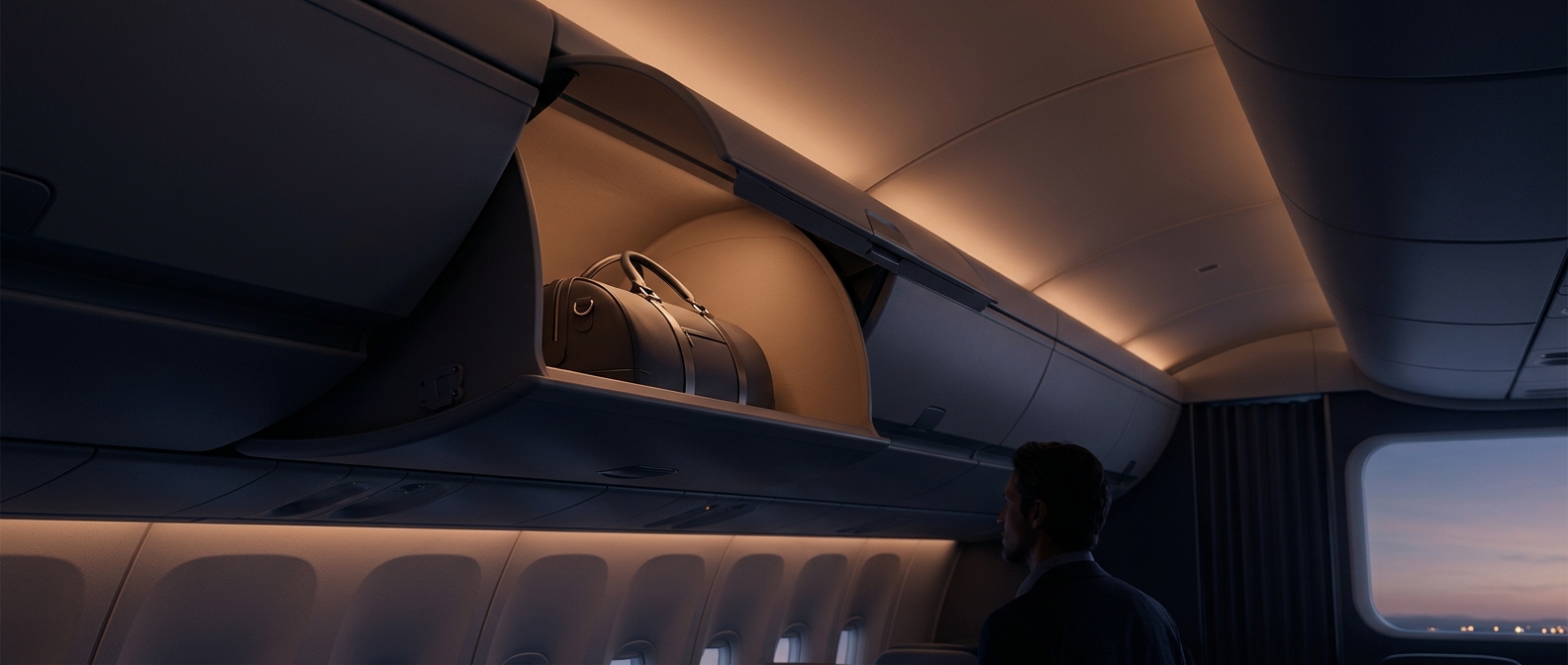
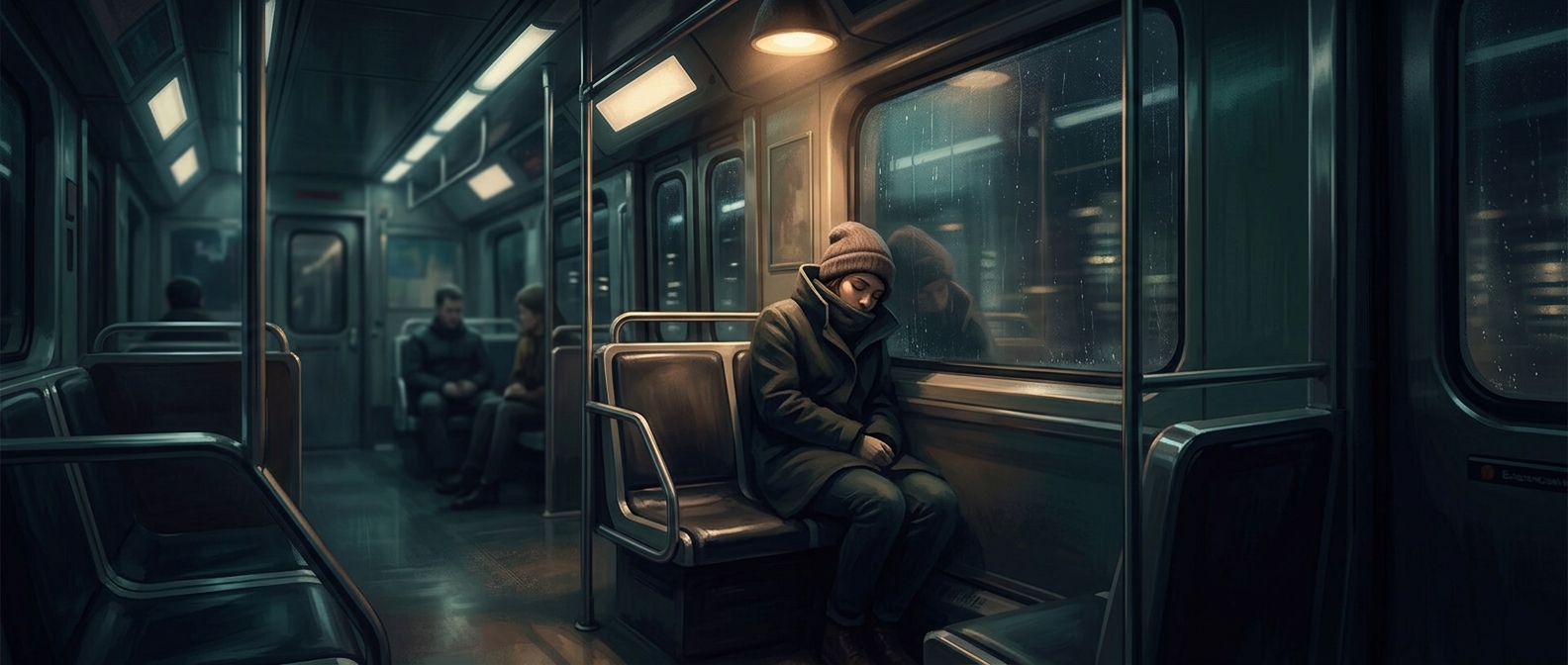
A curtain changes what passengers can see before it changes what they can hear. In a train’s narrow, shared interior, an open doorway or aisle can leave a first-class seating area visually exposed. Drawing the curtain breaks that direct line of sight, making the space feel less like part of the passing corridor and more like a separate room.
The fabric also affects sound, but modestly. Its folds absorb some sound energy instead of letting it bounce straight back into the carriage, which can soften echoes and nearby chatter. It cannot seal the opening: voices and the rumble of the train still travel around and through the space.
Privacy Without a Fixed Wall
That limitation is also part of the curtain’s usefulness. Unlike a permanent partition, it can be opened when people need to pass and closed when they want separation. It marks a boundary without making the carriage feel divided into fully enclosed rooms.
The result is a small but practical compromise: passengers gain a visual screen and a slightly quieter-feeling space, while the train keeps an adaptable shared interior. The curtain does not create true soundproofing; it makes the boundary noticeable enough that people can see where one section ends and another begins.