Why a small fluid loss can feel mentally large
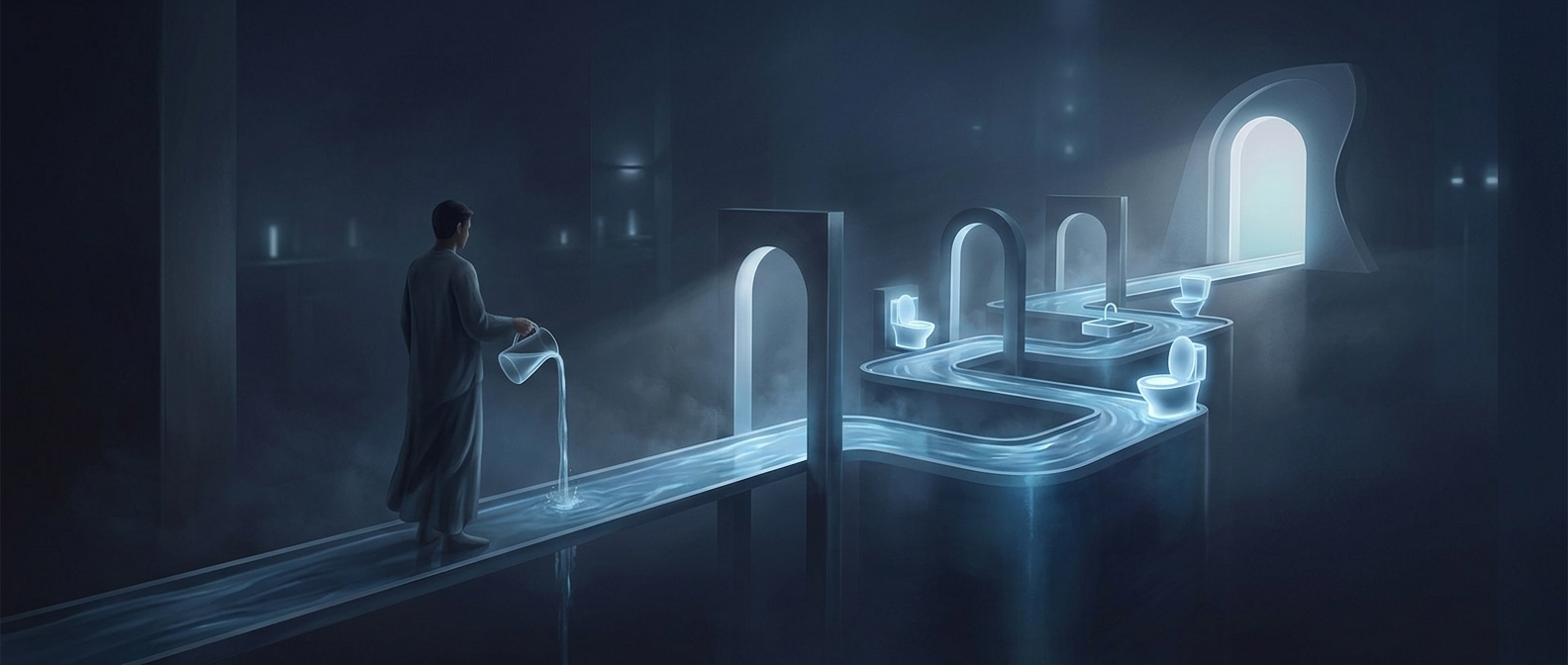
The brain does not simply run short of water like a sponge drying out. Instead, dehydration changes the balance of water and dissolved salts in the blood. The body detects that shift and works to conserve fluid, but those adjustments can affect systems involved in circulation, temperature control, and alertness.
A loss of roughly 2% of body weight as water can be enough to make some people feel less focused or more irritable. The effect is not a precise switch: it varies with the person and the conditions, and heat or physical exertion can make the strain more noticeable.
Attention is often the first thing to wobble
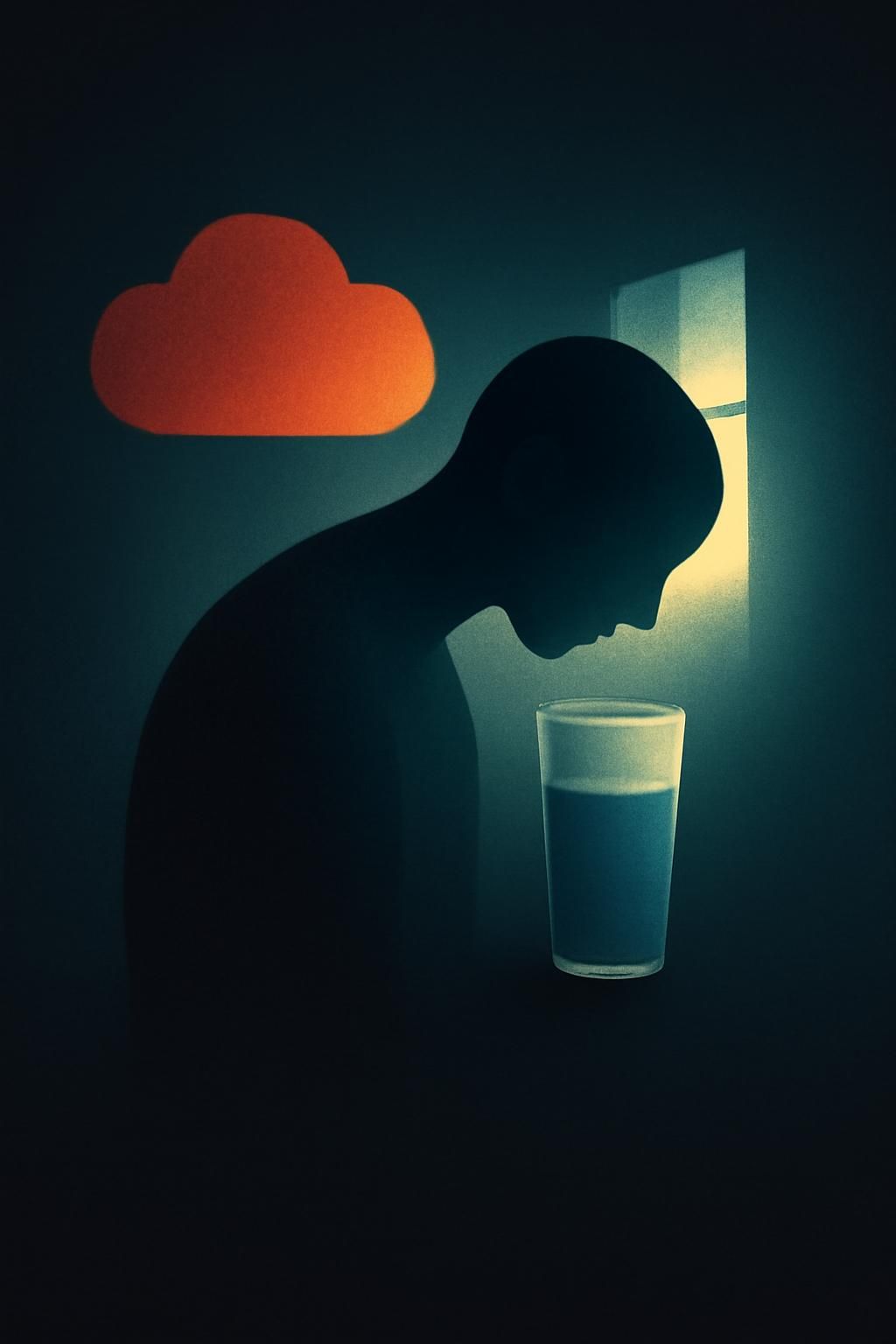
Concentration relies on keeping attention steady—filtering distractions, holding a thought in mind, and shifting between tasks. When the body is under fluid stress, those tasks may feel harder even if a person can still carry on normally. A short fuse can follow the same pattern: discomfort and extra effort leave less patience for interruptions.
That helps explain why thirst is not the only useful clue. Someone may notice a wandering mind or a headache before recognizing how little they have had to drink. The practical takeaway is simple: when mental fog appears during heat or activity, a drink and a chance to cool down may address part of the problem. The change can be subtle enough to affect a decision or a conversation before it feels like an obvious physical warning.