
A closer look
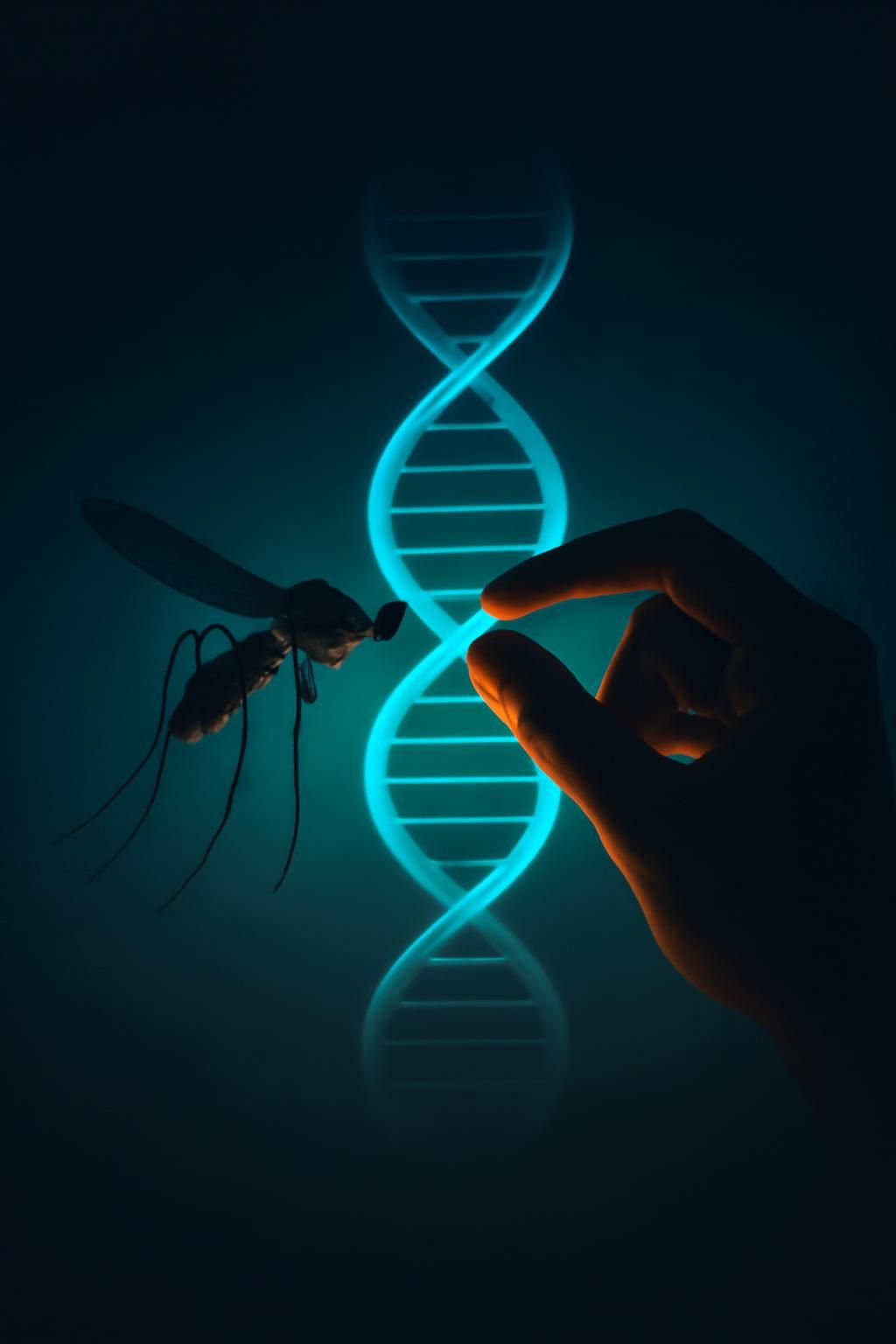
Scientists are teaching mosquitoes how not to spread one of humanity's deadliest diseases. Using CRISPR gene-editing tools, researchers can tweak the DNA of Anopheles mosquitoes so they either become resistant to the malaria parasite or pass on traits that crash their own populations. In test labs and controlled field trials, modified insects carry gene drives that bias inheritance, meaning a single engineered change can sweep through wild populations far faster than normal evolution. Imagine erasing a disease that kills hundreds of thousands every year by reprogramming its carrier. But the same power terrifies ecologists: what if editing one species triggers a cascade in the food web, or the gene drive jumps to a related insect? Malaria eradication may end up depending not just on biology, but on how much irreversible change we dare unleash.