The missing link between a stop and a destination
A bus or metro line can carry people across a city efficiently, but it may not get them close enough to where they need to start or finish their trip. A station that is a long walk from home, work, or a shop can make transit feel impractical—especially when service is infrequent or the weather is poor.
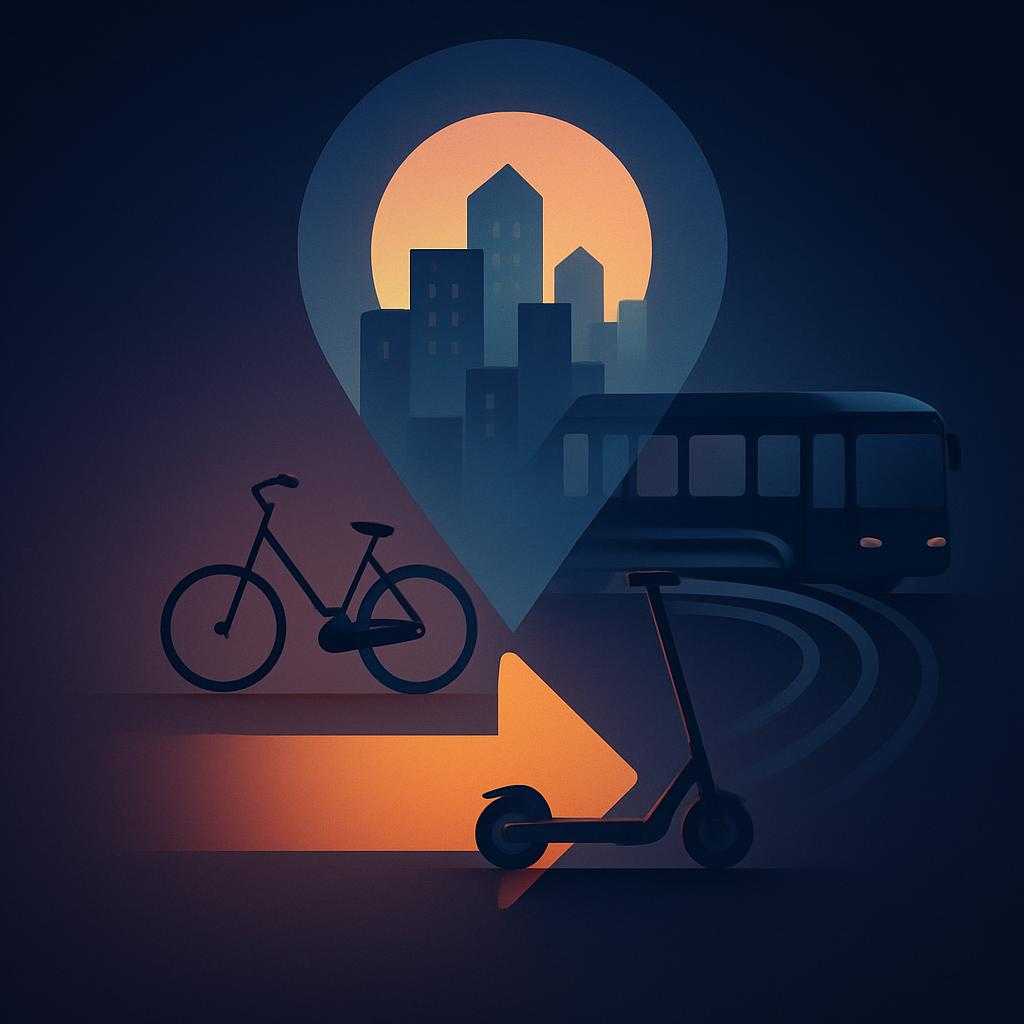
Shared bikes and e-scooters can bridge that gap. A rider can travel from a neighborhood to a station, then use another vehicle for the final stretch at the other end. This is often called first- and last-mile access: the short parts of a journey that connect a person to high-capacity transit.
More useful transit, not just more rides
When the connection is convenient, transit can serve people who live or work beyond a comfortable walking distance of a stop. That can make buses and metros a more viable alternative to driving for trips that would otherwise require a car for the whole way. The potential gain is not simply shifting a few short journeys onto scooters or bikes; it is helping more people reach the wider transit network.
The benefit depends on how the pieces fit together. Vehicles need to be available near stations, routes should feel safe, and parking must be organized so sidewalks and entrances remain clear. Fare or trip-planning links can also reduce the friction of switching modes. Without those details, a shared vehicle may add clutter or compete with a bus for short trips rather than help riders reach it.
Integrated well, micromobility turns a transit stop from a point people must walk to into a gateway serving a larger area—potentially letting a city move more journeys without asking every traveler to drive to the station.