How a web becomes food
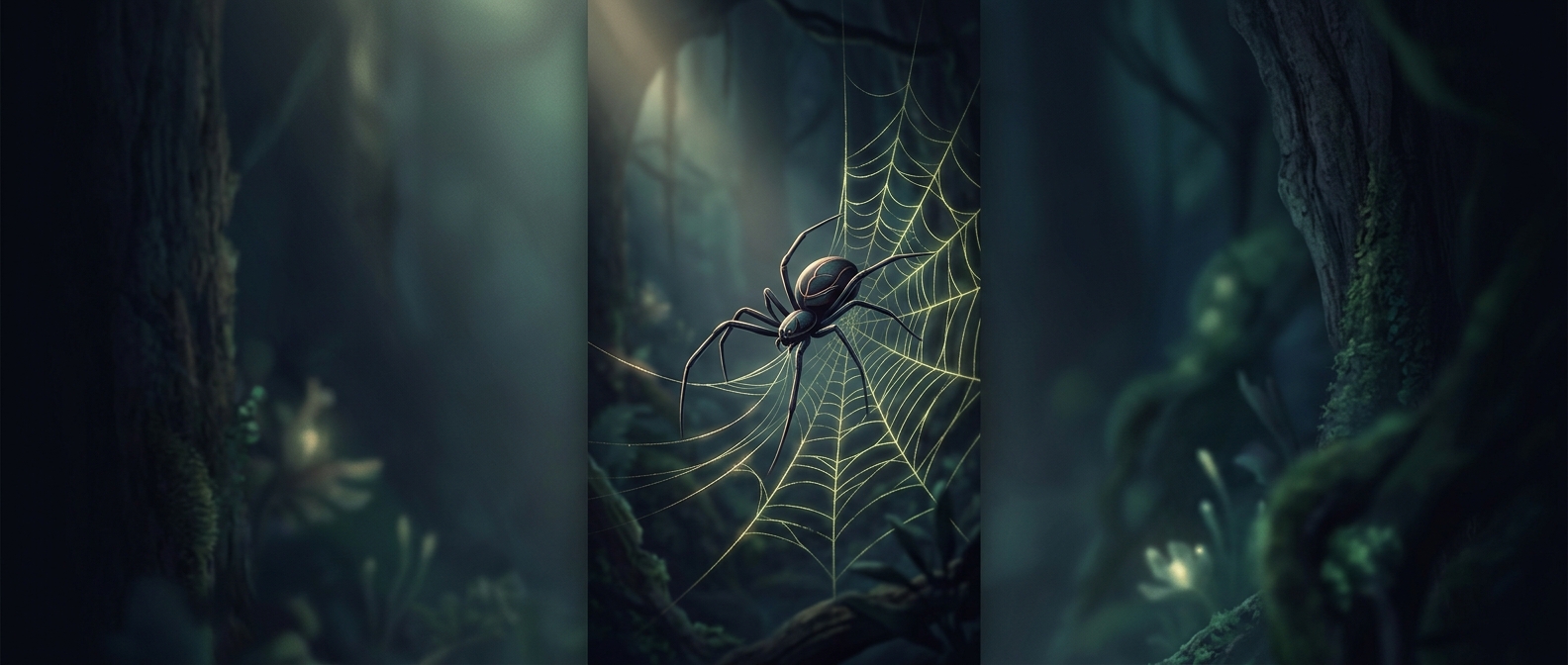
An orb-weaver’s web is made largely of silk proteins: long chains of amino acids, the small building blocks the spider also uses to make other proteins. Producing silk takes material and energy, so when a spider takes down an old web, eating some of its threads lets it recover part of that investment.
The silk does not go straight from web to a new strand. In the spider’s digestive system, proteins are broken into smaller pieces, which the body can absorb and use as raw materials. Those materials may help make fresh silk, though they can also support other needs.
Rebuilding instead of starting from scratch
An old web may be torn, dusty, or less useful for catching prey. As an orb-weaver dismantles it, it can consume some of the silk rather than leave all that protein behind. The spider then spins new silk from materials available in its body, including nutrients recovered from the web.
This is a form of recycling, not a perfect loop: digestion and silk production both require energy, and the spider cannot recover every bit of material. But eating the old threads turns part of a worn-out trap into usable supplies. The web’s final catch may be prey; its last contribution can be nourishment for the spider that built it.