How John Wick Makes Its Body Count Feel Like a Story
The first John Wick moves its hero through a tightly linked chain of confrontations rather than pausing for a separate backstory before every fight. One act of violence creates the next obstacle: enemies arrive, Wick responds, and the conflict widens. That structure lets the film fit an extraordinary number of deaths into a feature-length runtime without making each one feel like a detached episode.
Action as Characterization
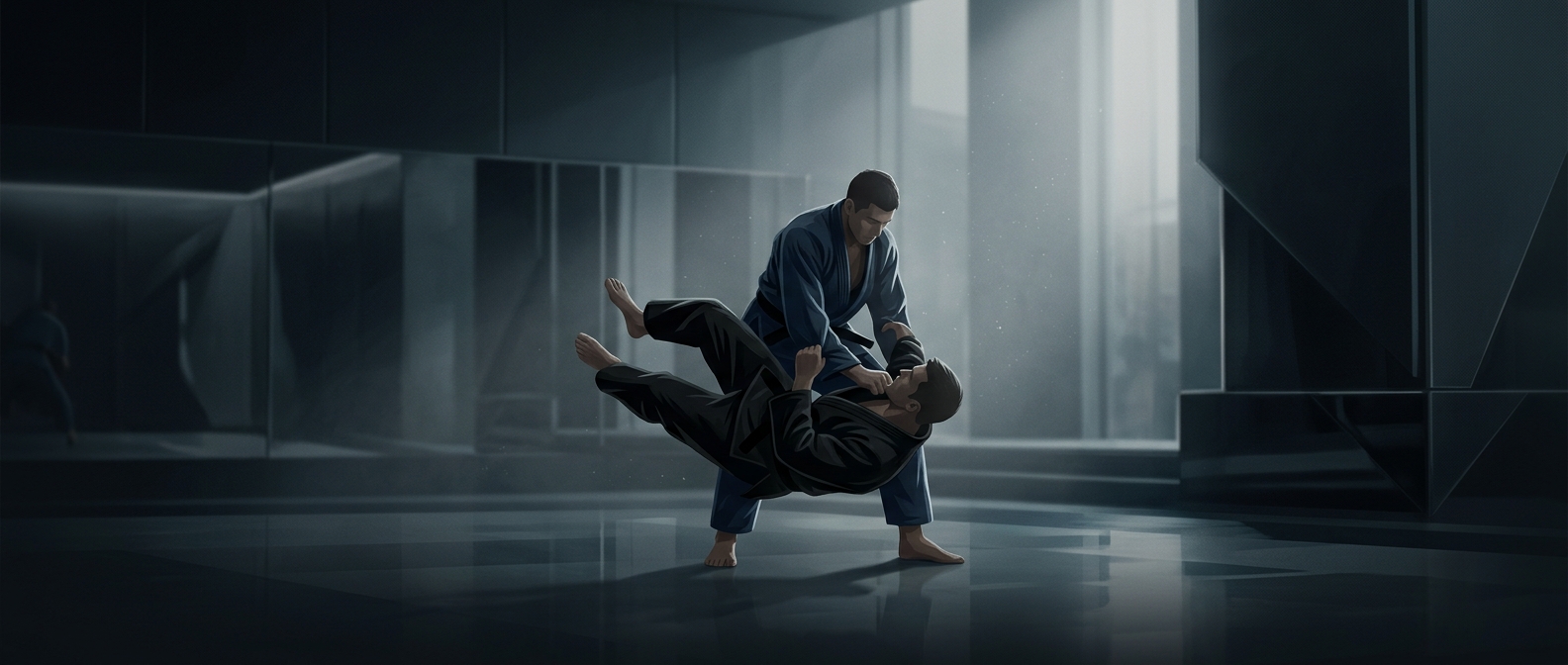
Wick’s fighting style is part of the storytelling. He closes distance, uses guns and hand-to-hand techniques in combination, and keeps moving once a threat is neutralized. The repeated, efficient motions make him seem practiced rather than invincible by magic. They also give viewers a readable pattern: a room becomes a problem to solve, and Wick works through it.
That clarity matters when action is fast. If viewers can follow where Wick is, who is threatening him, and what he does next, a sequence can carry plot as well as spectacle. Each encounter also shows the cost of his return to violence: he may be formidable, but the opposition keeps coming, and survival requires constant attention.
A Small Loss, a Large Escalation
The story’s personal trigger is deliberately modest beside the scale of the retaliation. That contrast is the film’s engine: the loss gives Wick a specific reason to act, while the criminal world around him supplies an expanding set of consequences. The revenge plot therefore works on two levels—an intimate grievance and an increasingly elaborate action-movie chain reaction.
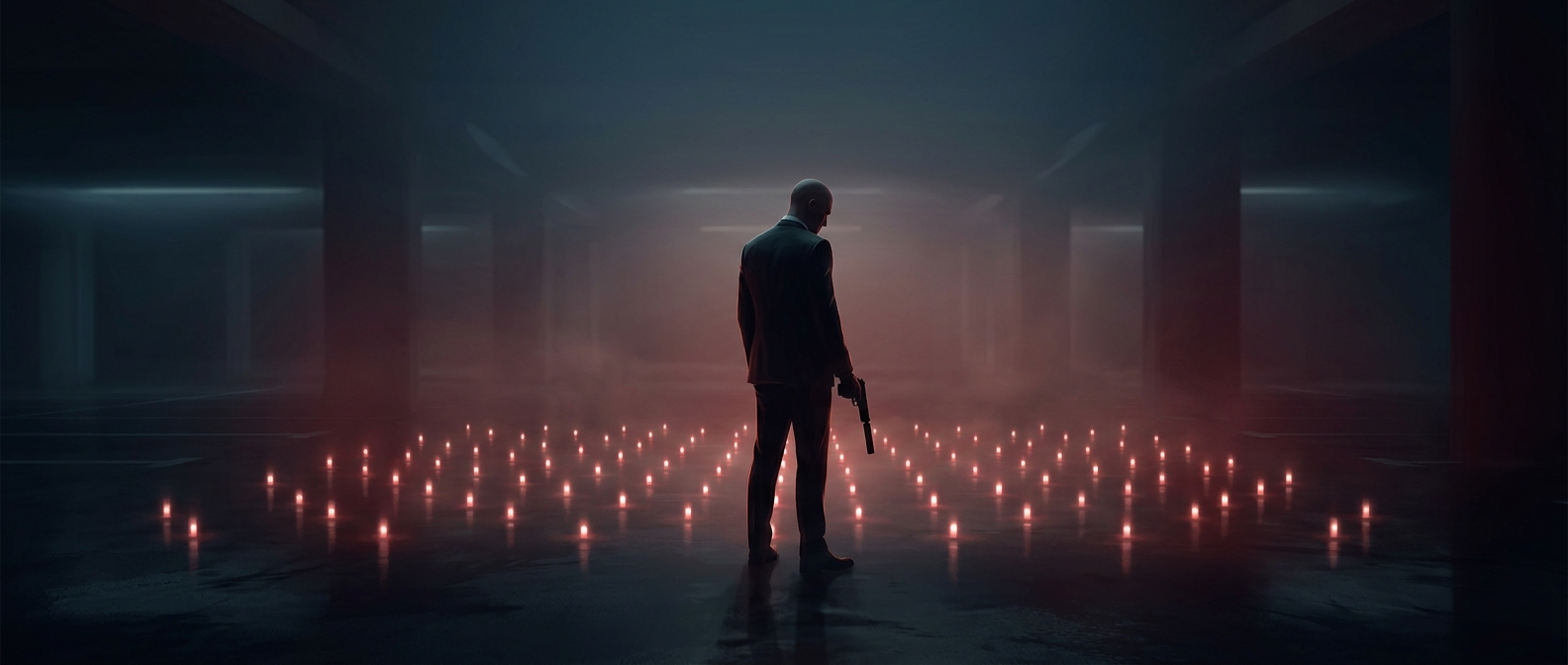
The result is a body count that functions less like a scorecard than a measure of escalation. By the time the film ends, the audience has seen how one private loss can draw an entire underworld into Wick’s path.