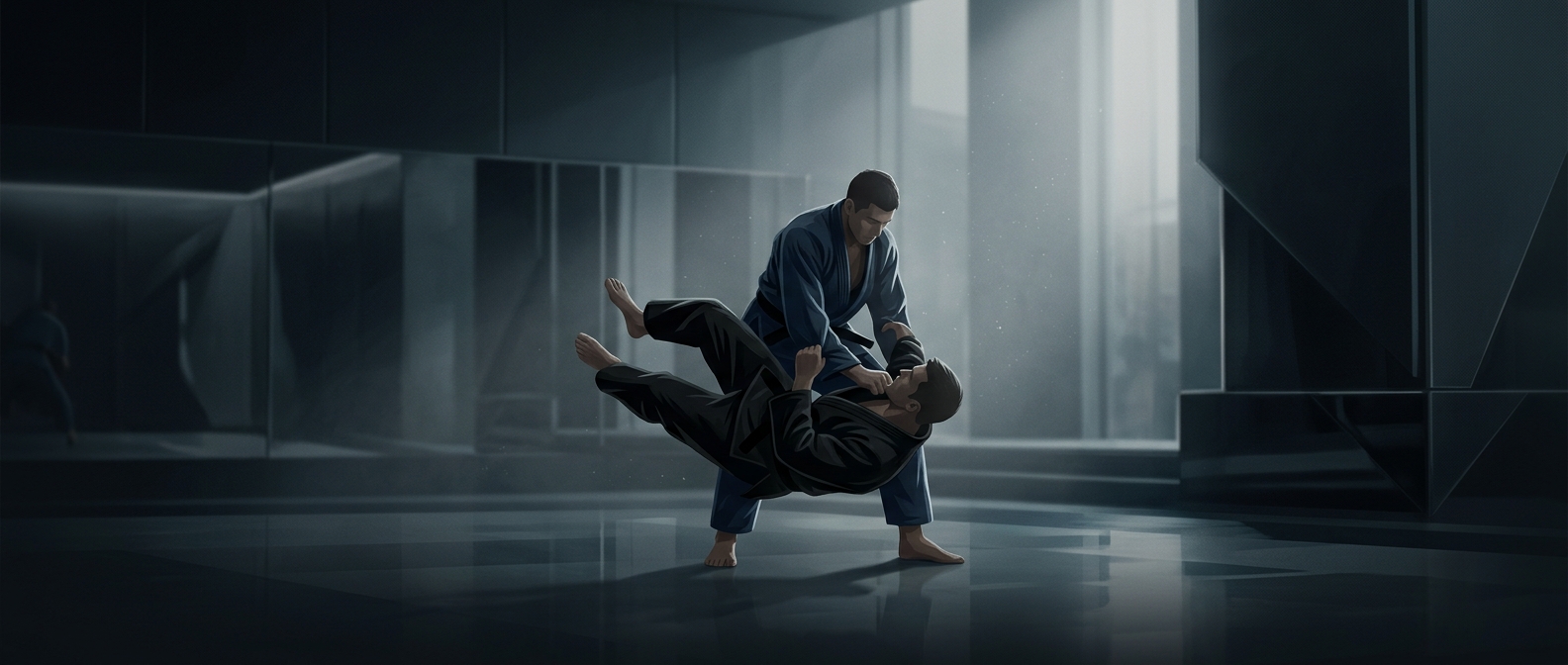
Why Judo Makes a Screen Throw Look Convincing
A convincing throw is not simply an actor lifting a partner and sending them through the air. In judo, the throw begins by disrupting the other person’s balance, then using a turn, grip, and shift of body weight to guide them down. Learning that sequence gives performers a physical logic to follow: the movement appears to come from the opponent’s momentum rather than from a sudden, unexplained heave.
Just as important is learning how to fall. Judo training teaches practitioners to spread the impact and protect vulnerable parts of the body when they hit the mat. On a film set, that skill can help make a fall look forceful while keeping it controlled. The performer receiving the throw is not a prop; their timing and technique help create the illusion.
A Fight Must Work More Than Once
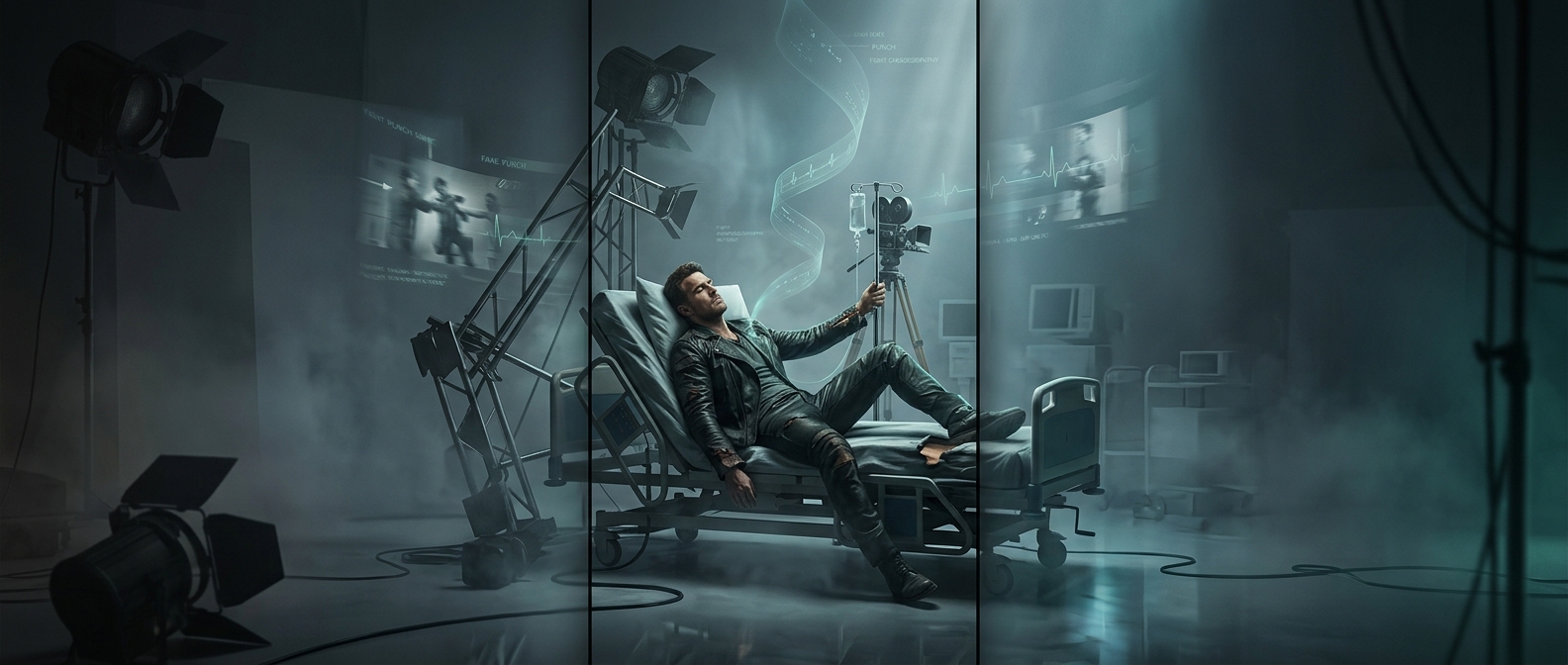
A live martial-arts exchange happens once. A filmed fight may be broken into separate shots and repeated, so performers need to reproduce the same movement while leaving room for a camera, a partner, and the crew. Training helps turn a complicated action into a sequence that actors can perform deliberately instead of improvising at full force.
Weapon handling adds another layer: a performer must make the object’s weight, grip, and path legible to the audience while keeping its movement controlled around others. The goal is not simply to show that an actor knows a technique. It is to make each motion readable on camera and repeatable without turning choreography into a real fight.
That is why screen combat can depend on genuine martial-arts practice even when the finished scene is carefully staged. The audience sees a split-second throw; the performers rely on practiced balance, timing, and controlled falls to make that instant look earned.