How a muscle keeps its pace
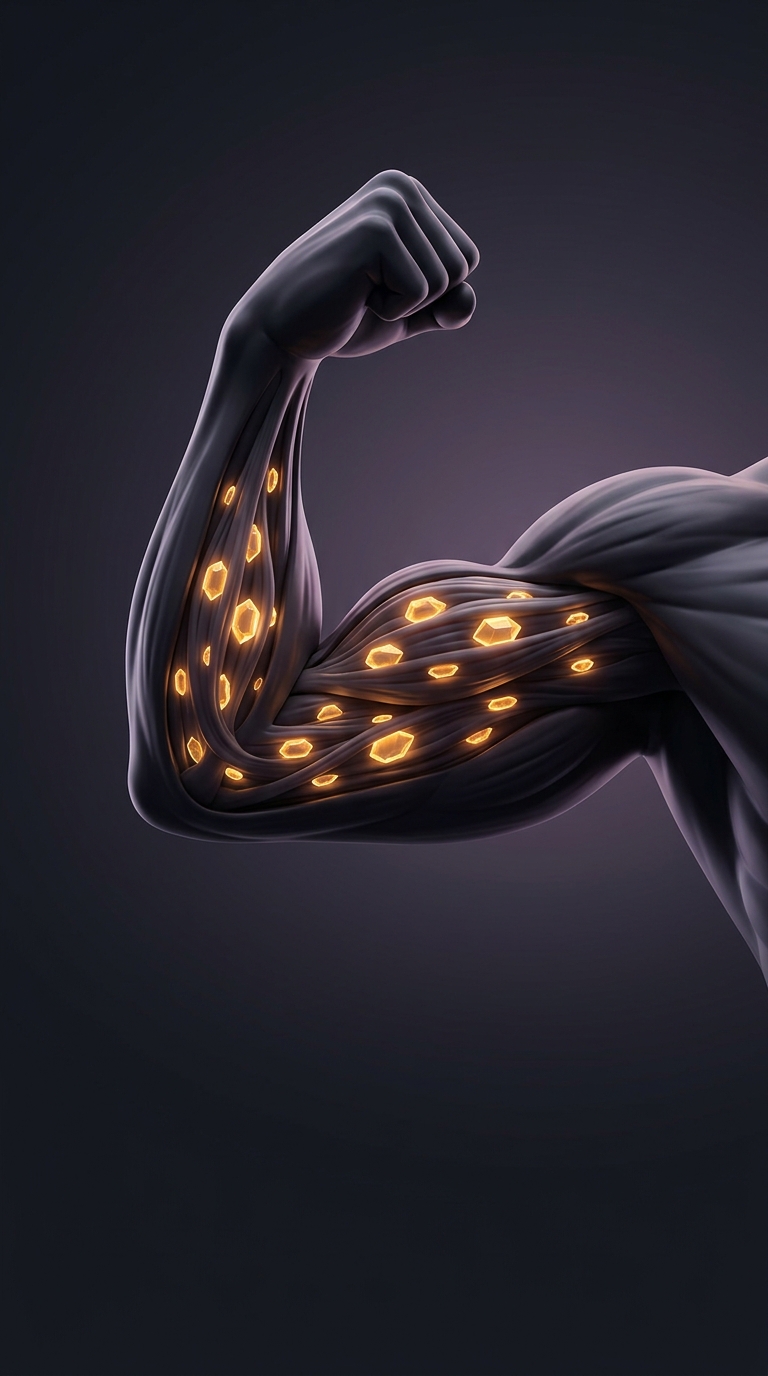
A muscle can make energy in more than one way. Slow-twitch fibers are especially equipped to use oxygen to turn fuel into ATP, the molecule that powers contraction. They contain many mitochondria—the cell structures that carry out much of this oxygen-dependent energy production—and are supplied with blood vessels that deliver oxygen. The oxygen-binding protein myoglobin helps store it inside the muscle.
That setup supports repeated work without rapidly accumulating the byproducts associated with intense, oxygen-limited effort. Slow-twitch fibers also contract more gradually than fast-twitch fibers, which helps explain why they are useful for sustained activity rather than explosive acceleration.
Endurance is a team effort
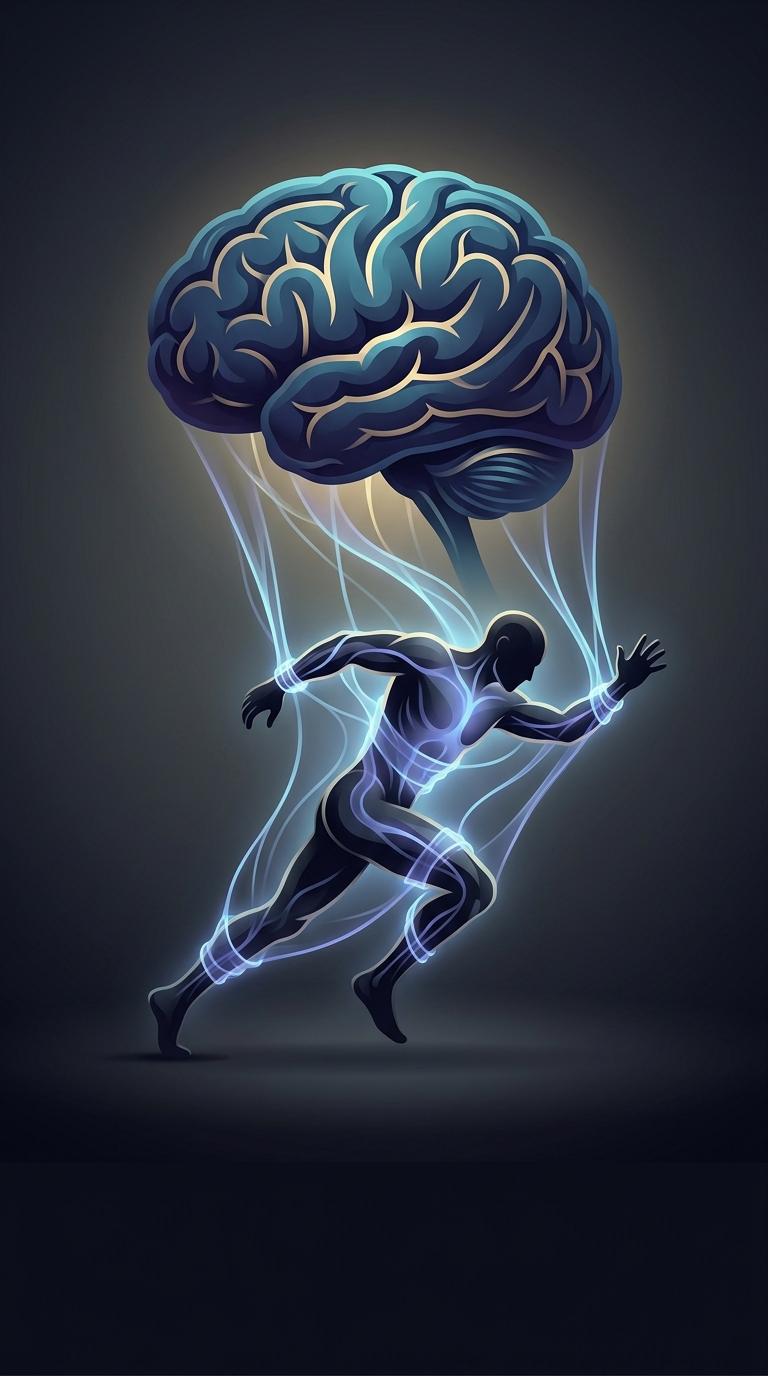
The difference is not a simple split between “endurance muscles” and “power muscles.” Most muscles contain a mixture of fiber types, and the nervous system recruits different fibers as the task changes. A relaxed walk may rely heavily on slow-twitch fibers; a sudden sprint calls for more fast-twitch fibers, which can produce force quickly but fatigue sooner.
Training can improve how well muscles use oxygen and sustain work, though it does not turn every fiber into the same kind. The practical payoff is visible in ordinary movement: the muscles that keep a person upright or carry them through a long walk can keep working while the body saves its quickest, most forceful contractions for when they are needed.