A temperature map, not a new kind of vision
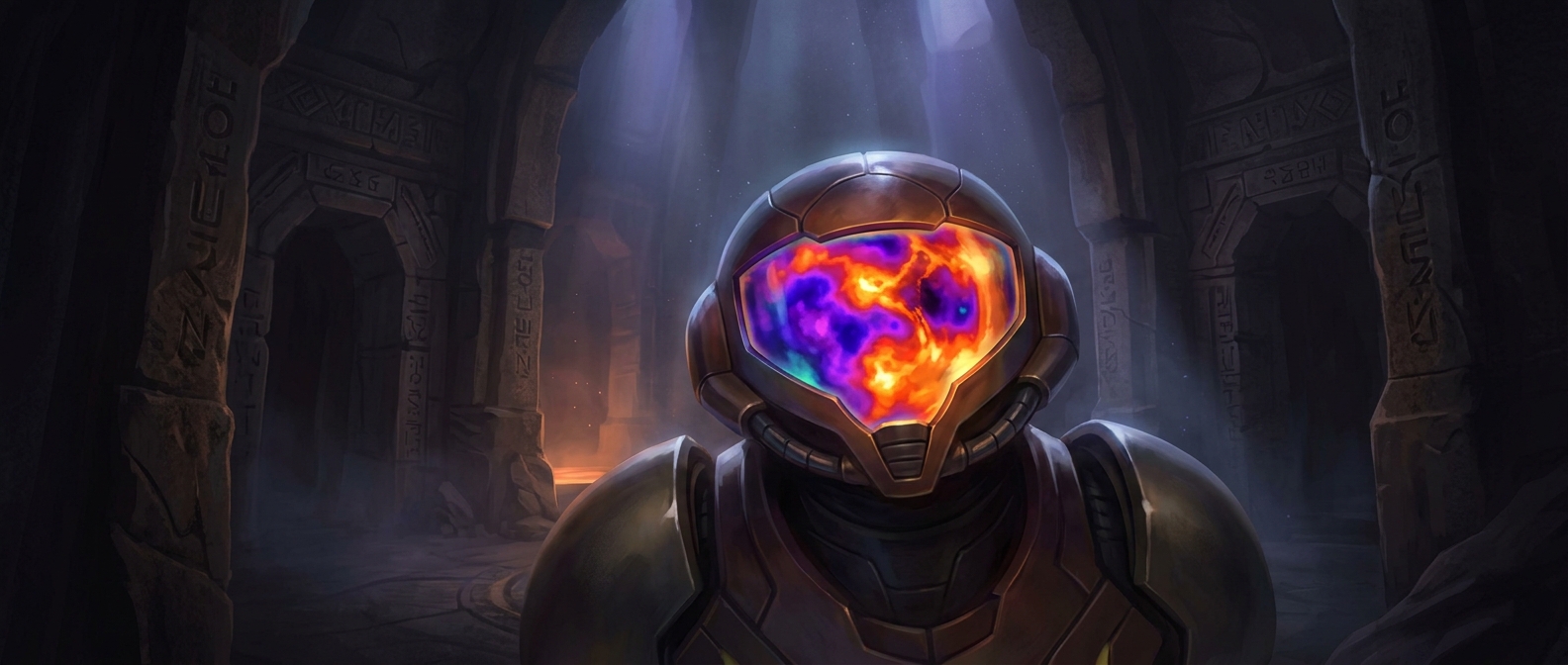
The Thermal Visor in Metroid Prime makes heat readable by translating it into color and contrast. The game gives objects temperature values, then uses those values to determine how they appear through the visor. A warm door mechanism can therefore stand out against colder rock, even when both are hard to distinguish in the ordinary view.
That is a rendering trick with a clear purpose: the visor changes which visual differences matter. Instead of asking the player to pick out shapes or surface details, it turns temperature into a visible pattern. The room is the same, but its objects are organized around a different clue.
Turning a visual effect into a gameplay tool
This makes the visor more than a cosmetic filter. A conspicuous warm mechanism can direct the player’s attention toward a door or other feature worth examining, while cooler surroundings recede. The player learns to scan for thermal contrast rather than search every surface equally.
The design also depends on restraint: if every object stood out in the same way, heat would stop being useful information. By making hot mechanisms visibly different from cold rocks, the game lets a simple visual rule do two jobs at once—it gives the visor a distinct identity and helps players decide where to look next.