Why Paperwork Keeps the Fax Connected
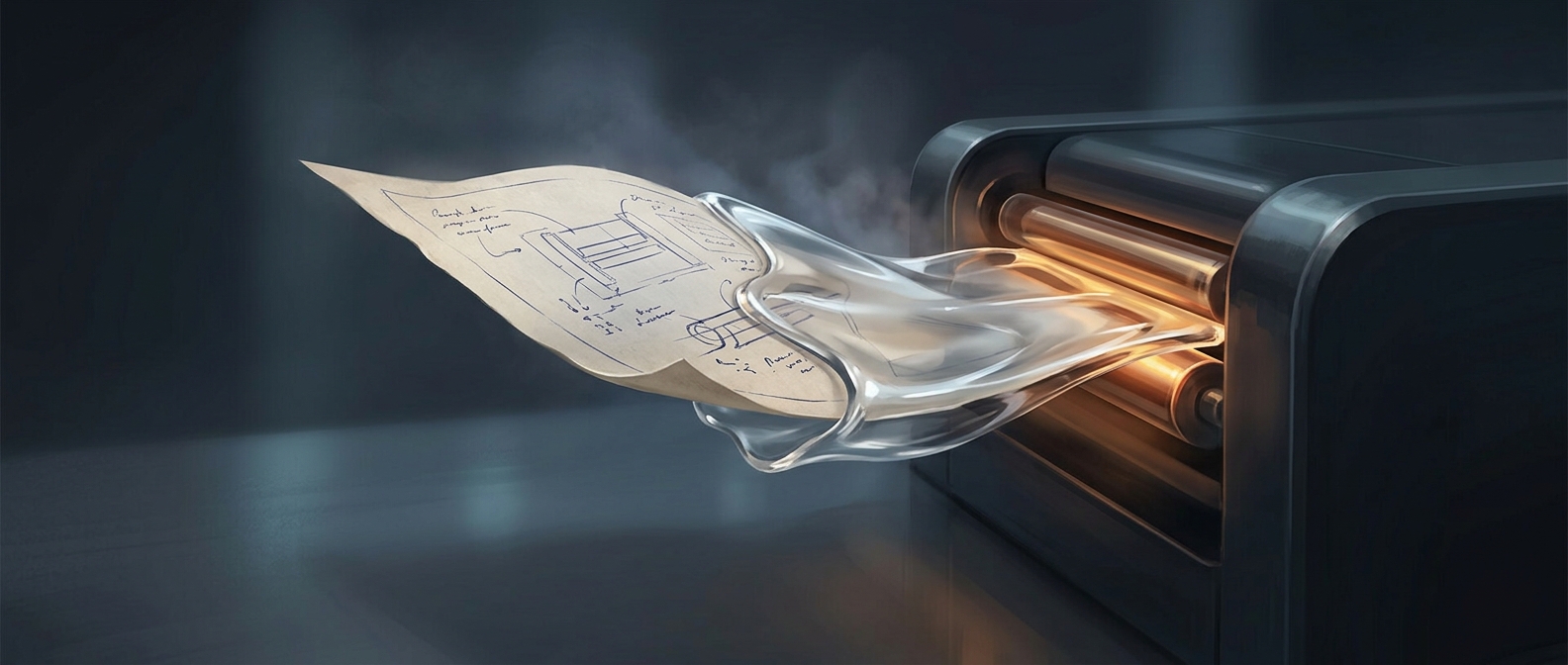
A fax machine is more than a way to send a page: it is a bridge between offices that organize work around paper. One office can print a form, mark it up, add a personal seal, and send the page to another office without asking both sides to adopt the same software or file format. The receiver gets something that looks like the document the sender handled.
That matters in workflows where a page moves through several people for review or approval. A hanko, or personal seal, can serve as a visible mark of authorization. Its presence on paper fits an established process: staff know where to stamp, what to check, and how to file the result. Replacing the fax therefore means changing more than the device; it can mean redesigning the steps and records around it.
Familiarity Becomes Infrastructure
Fax use can also persist because offices are connected to one another. If a supplier, clinic, or government counter still accepts documents by fax, a business may keep a machine—or a fax service—even if it handles most other communication digitally. Each participant has a reason to retain the old channel as long as others depend on it.
This is a network effect: a tool remains useful because the people you need to reach use it. The cost of switching is not just buying new technology. Organizations may need to agree on secure document handling, train staff, update approval procedures, and ensure that partners can receive and process files reliably.
The Transition Is About the Workflow
Digital alternatives can make documents easier to search, share, and store, but adopting them requires trust in the new process and coordination across organizations. Japan’s reputation for advanced electronics does not automatically make every workplace routine digital; consumer technology and administrative systems change at different speeds.
The fax survives not because it is the most capable tool, but because it still fits a chain of human decisions. Until the offices at both ends change that chain, the paper page can remain the simplest common language.