Why Gone with the Wind keeps climbing the box-office rankings
A movie’s original dollar gross is a poor measure of how many people saw it across different eras. In 1939, a ticket cost far less than one does today, so a film can sell vastly more admissions than a modern hit while collecting fewer dollars at the time. Inflation-adjusted rankings try to account for that gap, often by using ticket-price estimates to convert grosses into approximate admissions and then into today’s dollars.
That calculation is not a literal head count: historical ticket prices and release records are incomplete, and rankings can vary with the method used. But it helps explain why Gone with the Wind remains near the top. Its remarkable reach was built over more than one theatrical run.
A hit that returned to theaters
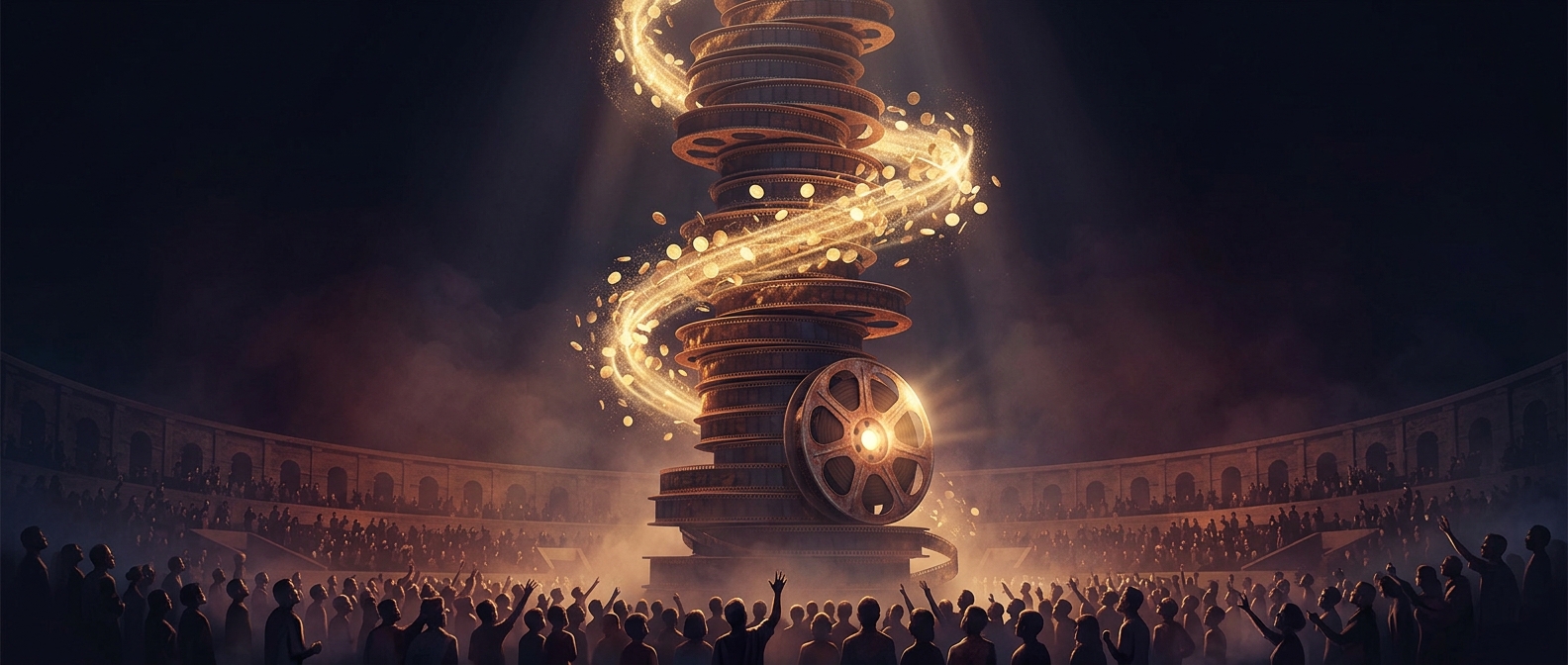
The film opened in 1939 and drew audiences over an unusually long theatrical life, with later re-releases bringing it back to cinemas for new viewers and repeat visits. Each return added admissions to its cumulative total. That advantage matters: a contemporary blockbuster usually makes most of its money during a short opening run, while a film repeatedly restored to theaters can keep selling tickets across generations.
Its original release also played as a major event. The sweeping Civil War-era drama, presented in vivid Technicolor and at exceptional length, was the kind of production audiences went to see on a big screen. The experience—and the film’s enduring cultural prominence—helped sustain interest beyond its first engagement.
What “number one” really measures
The claim is therefore not that Gone with the Wind earned more cash than every later movie, or that its audience can be counted exactly. It reflects an estimate of how many paid admissions its many theatrical engagements represent, translated into comparable dollars. A long tail of re-releases can rival the concentrated opening-weekend power of modern blockbusters.