The spectacle that strained UFA
Fritz Lang’s Metropolis was designed to look like a future city on a scale audiences had never seen. UFA, Germany’s leading film studio, committed vast resources to its towers, traffic, machinery, and enormous crowd scenes. Building that world meant long production, elaborate sets, and a workforce on a scale that made the film unusually expensive to finish.
The gamble was that visual novelty would draw enough people to cover the bill. Instead, the film’s original release in 1927 failed to earn the response UFA needed. Its length and mixed reception made it difficult to sell as straightforward entertainment, while the cost of making it had already landed on the studio’s books.
Why one film could threaten a studio
A studio does not pay for a costly production only when tickets are sold. It must finance the work in advance, then hope that theaters and audiences return enough money to repay that investment. If a film falls short, the loss can tighten the studio’s ability to fund other productions and meet existing obligations.
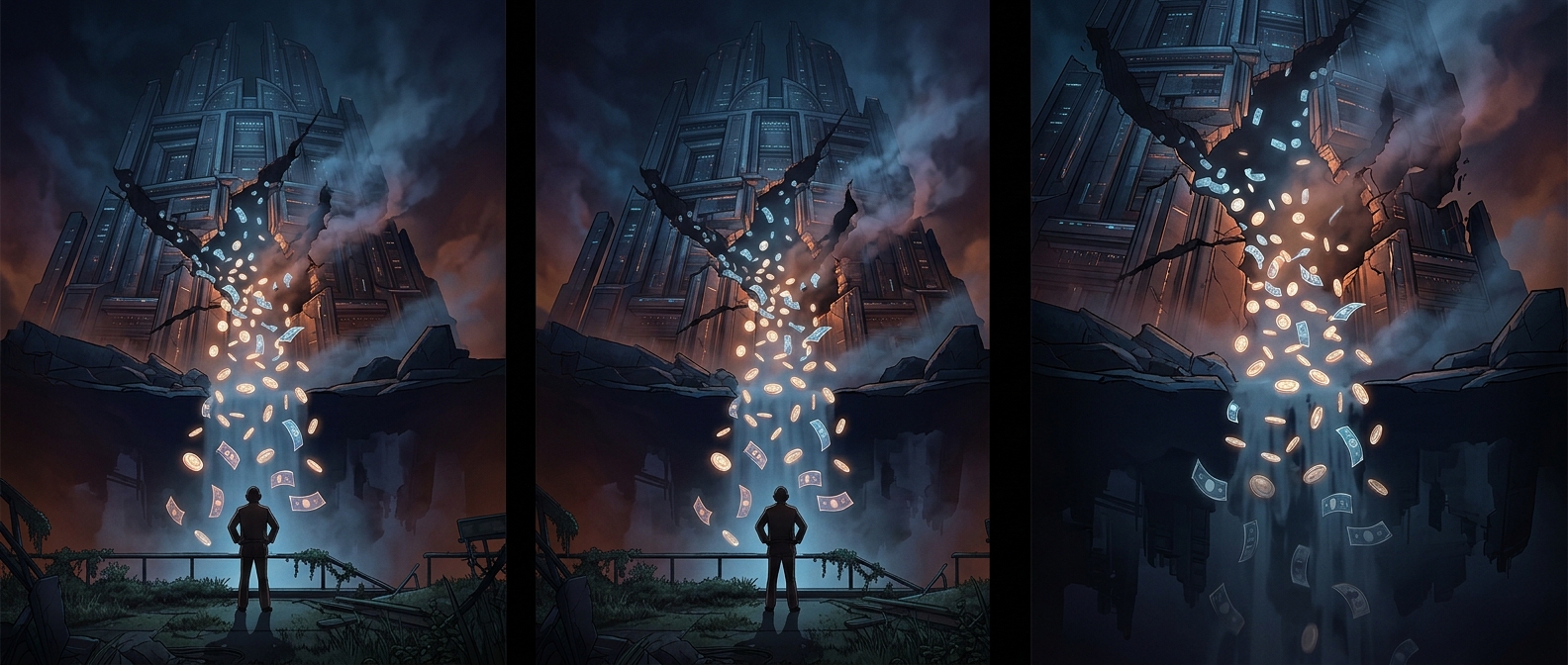
Metropolis did not create all of UFA’s financial problems by itself, but its enormous expense and disappointing initial returns intensified them. The crisis helped bring a change in control: media magnate Alfred Hugenberg took over UFA in 1927. The film’s legacy would grow over time, but its immediate lesson was harsher: a screen vision can become a financial burden long before it becomes a classic.