A crowd detail becomes a fight mechanic
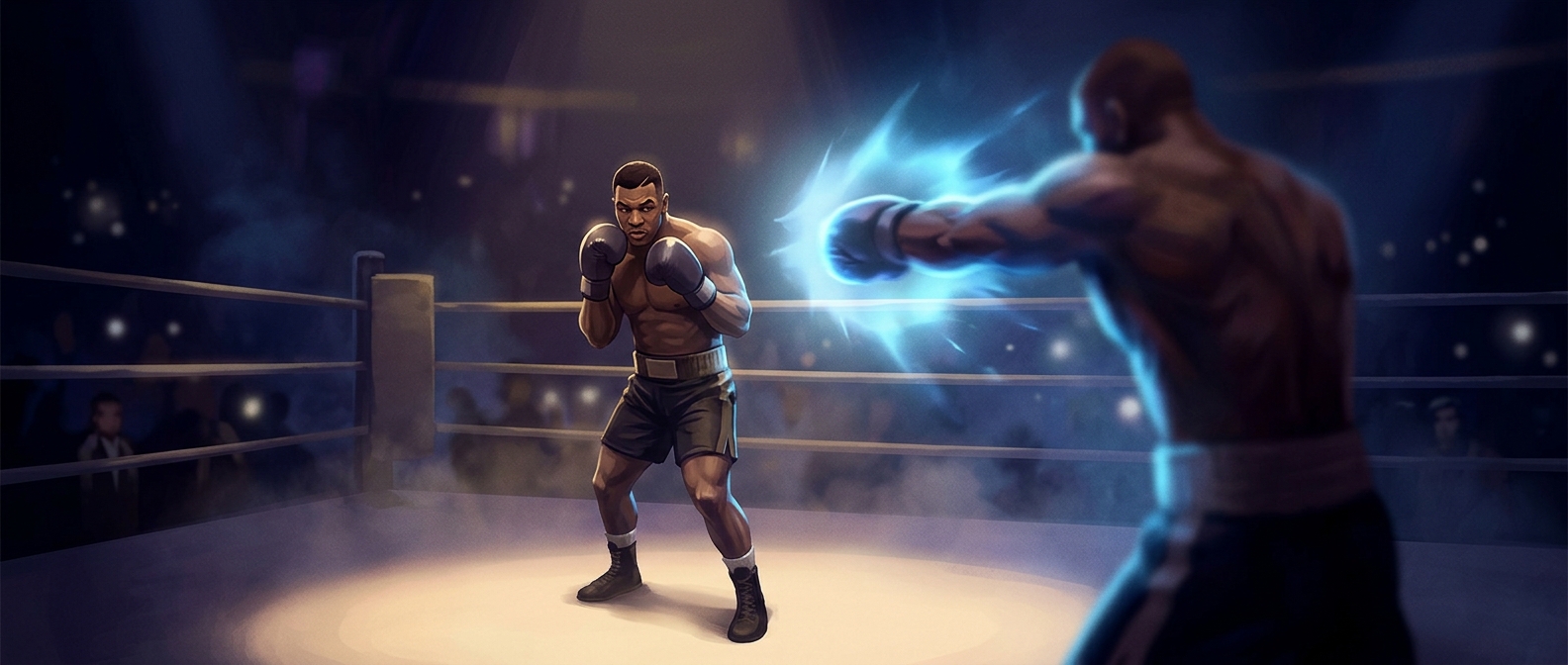
Bald Bull’s charge in Punch-Out!! is a test of timing, not simply speed. He backs away, rushes toward Little Mac, and threatens a powerful hit. The opening to counter is brief: punch too early and the attack may miss; wait too long and Bull connects.
The game gives players a cue in the stands. A spectator’s camera flashes at the moment to strike. That tiny burst of light is easier to read than trying to judge the precise instant from Bull’s moving body alone. The crowd is not just decoration; one detail in it carries information the player needs.
Turning a reflex into a learned pattern
This kind of cue lets the game teach through play. A player who gets hit can watch for the flash on the next attempt, then connect the visual signal to the counter. Once learned, the sequence feels less like guessing and more like recognizing a beat: Bull charges, the flash appears, and the player punches.
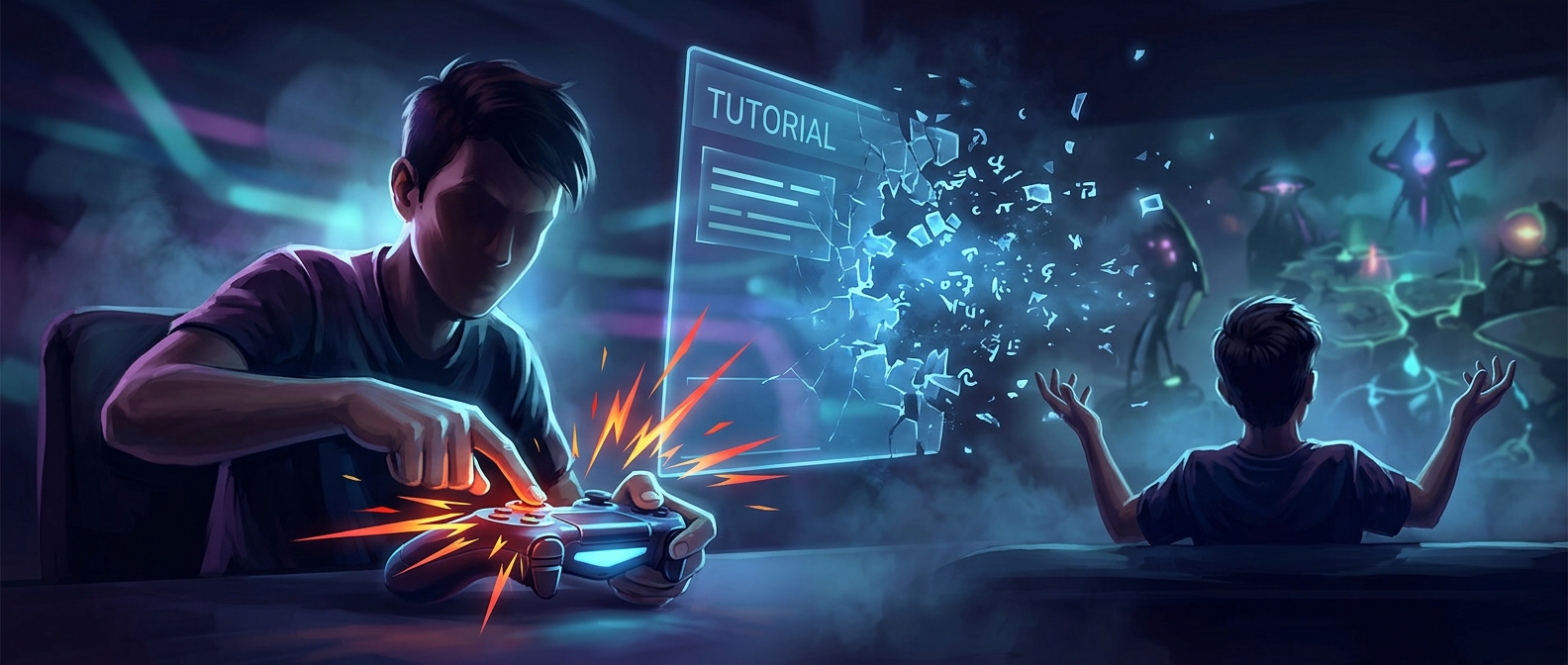
The cue also makes the arena feel responsive without a tutorial stopping the match to explain the trick. It rewards attention to the whole screen, not just the opponent. In a game built around reading tells, even a spectator’s camera can become part of the choreography—and the difference between taking Bull’s charge and sending him down.