Why the escape became a trap
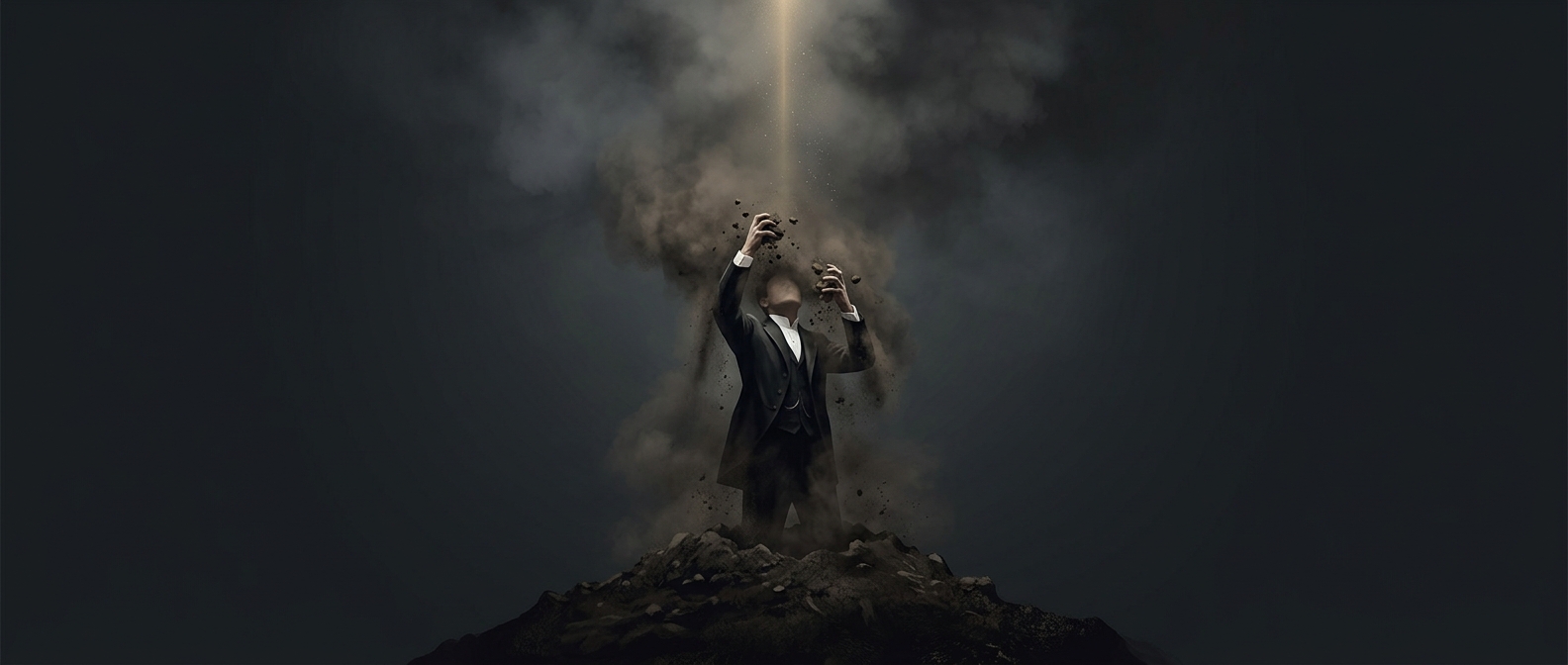
Houdini attempted to escape from beneath six feet of soil without a casket around him. That removed the rigid space that might have kept the earth off his body: instead, the soil pressed directly against him. With his chest constrained, expanding his lungs to draw a breath would have been difficult—and digging required strenuous movement while he was already struggling for air.
Every movement could make things worse
A buried person cannot simply shovel soil aside as in open air. The earth around the body can shift into any space created by digging, pressing in again and making it harder to move or breathe. In Houdini’s attempt, the pressure became so severe that he clawed upward and reached the surface unconscious.
That is the crucial difference between a stage escape and this kind of real physical ordeal: there was no safe, stable chamber separating the performer from the material he was trying to escape. The same soil that made the stunt look inescapable also threatened to shut down the effort before he could get out.
A rare admission of failure
Houdini later called the attempt a “terrible mistake.” The episode shows the limit of spectacle: a stunt can be rehearsed and presented as entertainment, but once the body is trapped under shifting weight, the danger is not merely theatrical. Without room to breathe or work, each attempt to escape can deepen the crisis.