How blue could make a silent-film night
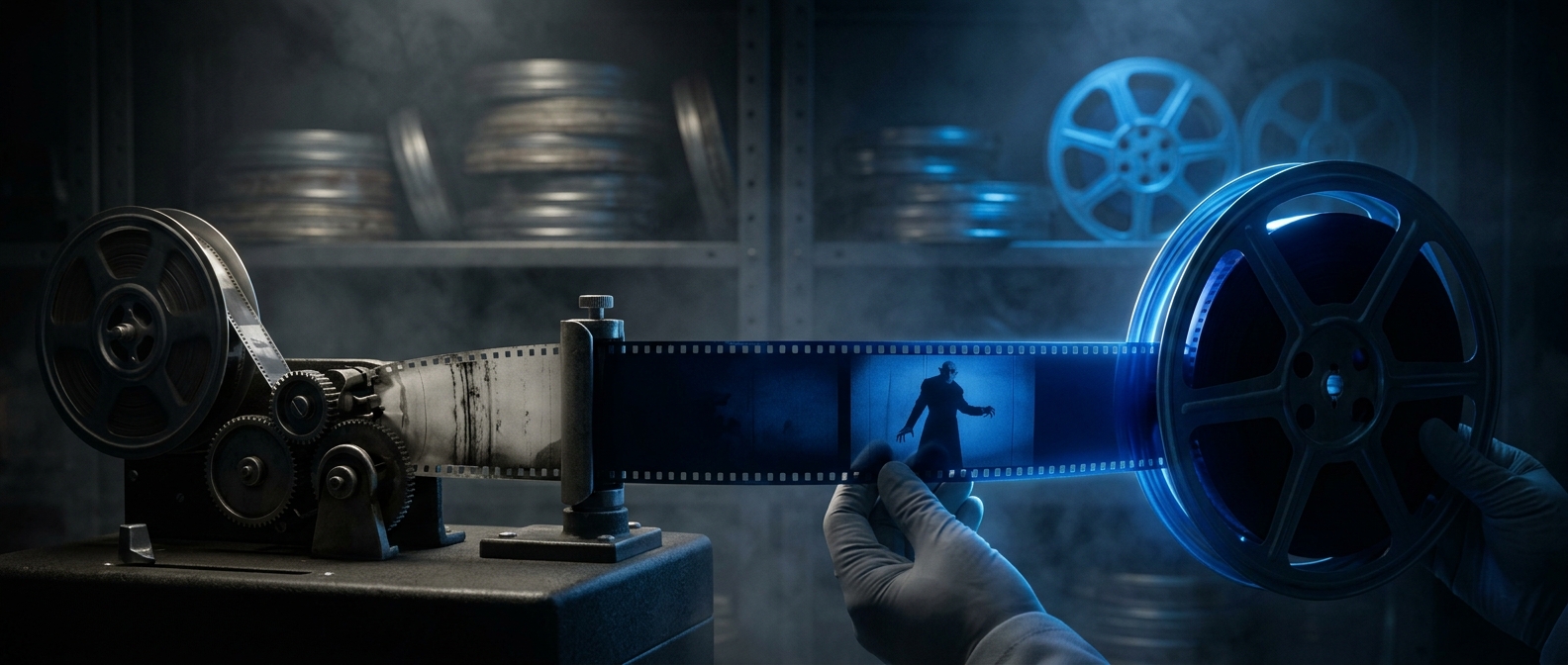
In Nosferatu, blue-tinted night scenes did not require the camera to record blue light. The film was shot in black and white; after filming, a dye bath colored the clear parts of the film strip. The dark image areas stayed dark, so the result was a monochrome scene washed in blue rather than a modern color image.
That process is called tinting. It differs from toning, which chemically changes the dark parts of the image themselves. The distinction matters: tinting could give an entire scene a strong color while preserving the contrast that made figures, rooms, and shadows readable.
Color carried information, not just mood
Silent-film audiences could use color as a visual cue. A blue wash signaled night, while warmer amber tones could suggest daylight. The shift helped viewers orient themselves without dialogue or a spoken explanation, and it gave darkness a distinctive look on screen.
For a filmmaker, tinting also offered a practical way to alter the feel of footage after it had been shot. A scene could be filmed in ordinary monochrome and later given a night-time palette. Blue did not reproduce how a night looks to the eye; it made “night” legible as a cinematic convention.
What restoration has to recover
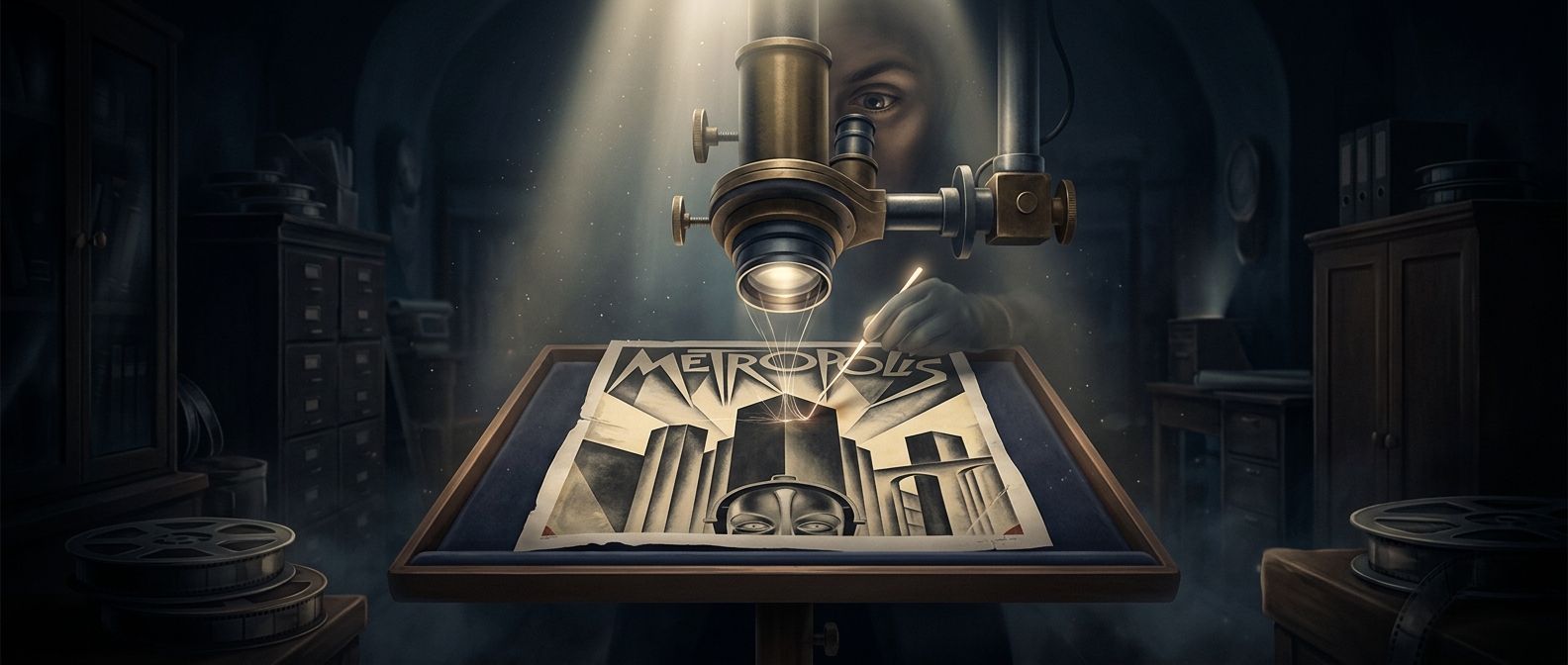
Color can be lost as old film deteriorates, and a surviving copy may not preserve every original tint. Restorers therefore have to work from the evidence available in the surviving materials to recreate the intended palette. Their choices affect more than decoration: removing the blue can make a scene feel less clearly marked as night, while restoring it brings back one of the visual signals early audiences relied on.