How theaters made silent films sound alive
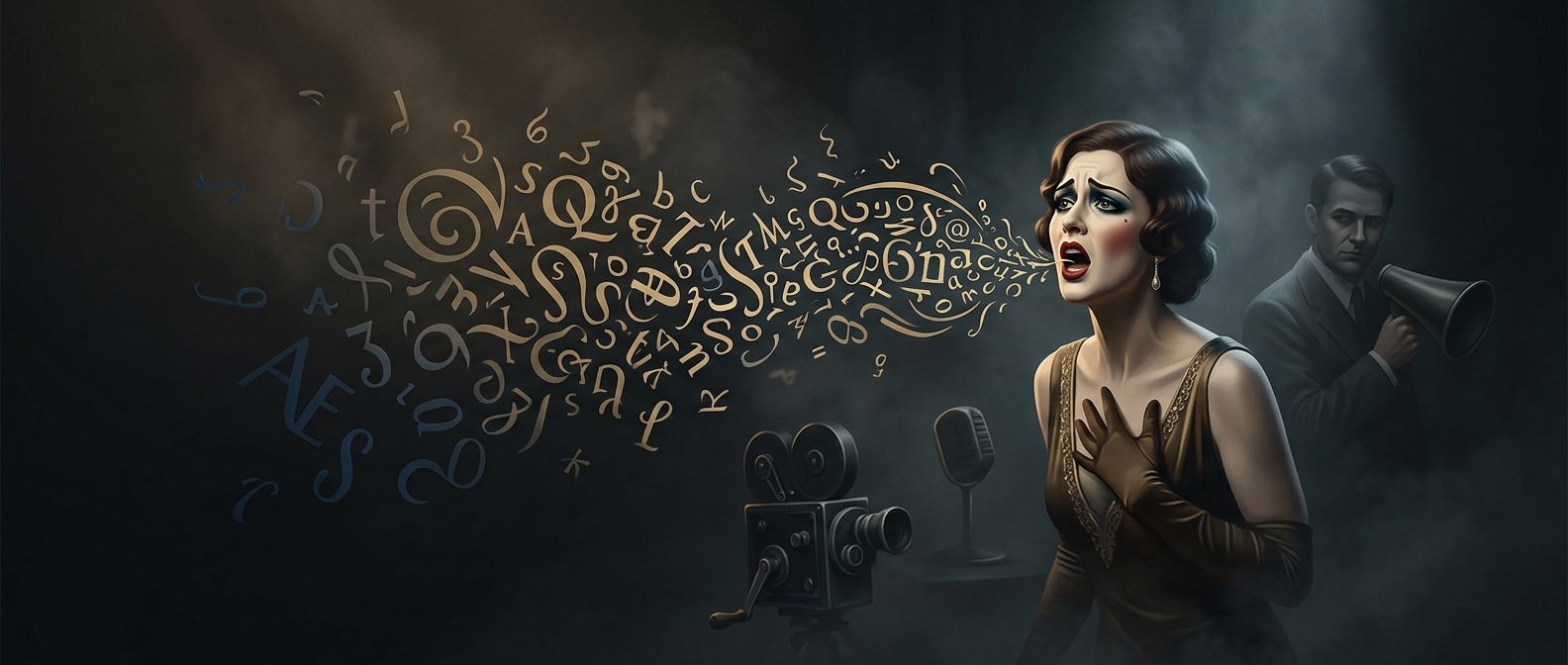
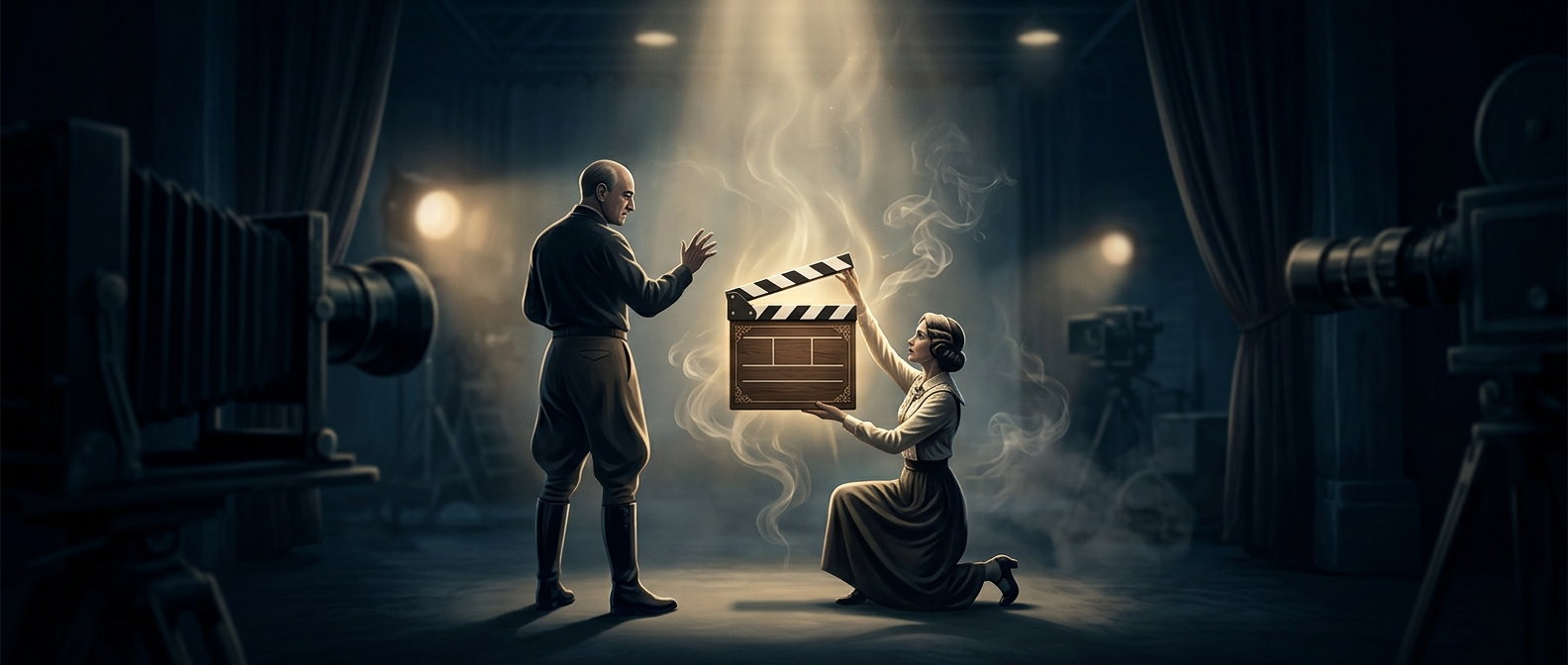
A silent film was not necessarily a quiet screening. Before synchronized sound became standard, a theater’s musicians and effects performers supplied a live layer that could make a chase feel urgent or a scene feel uncanny. The screen provided the images; the room supplied much of their atmosphere.
One instrument, many theatrical tricks
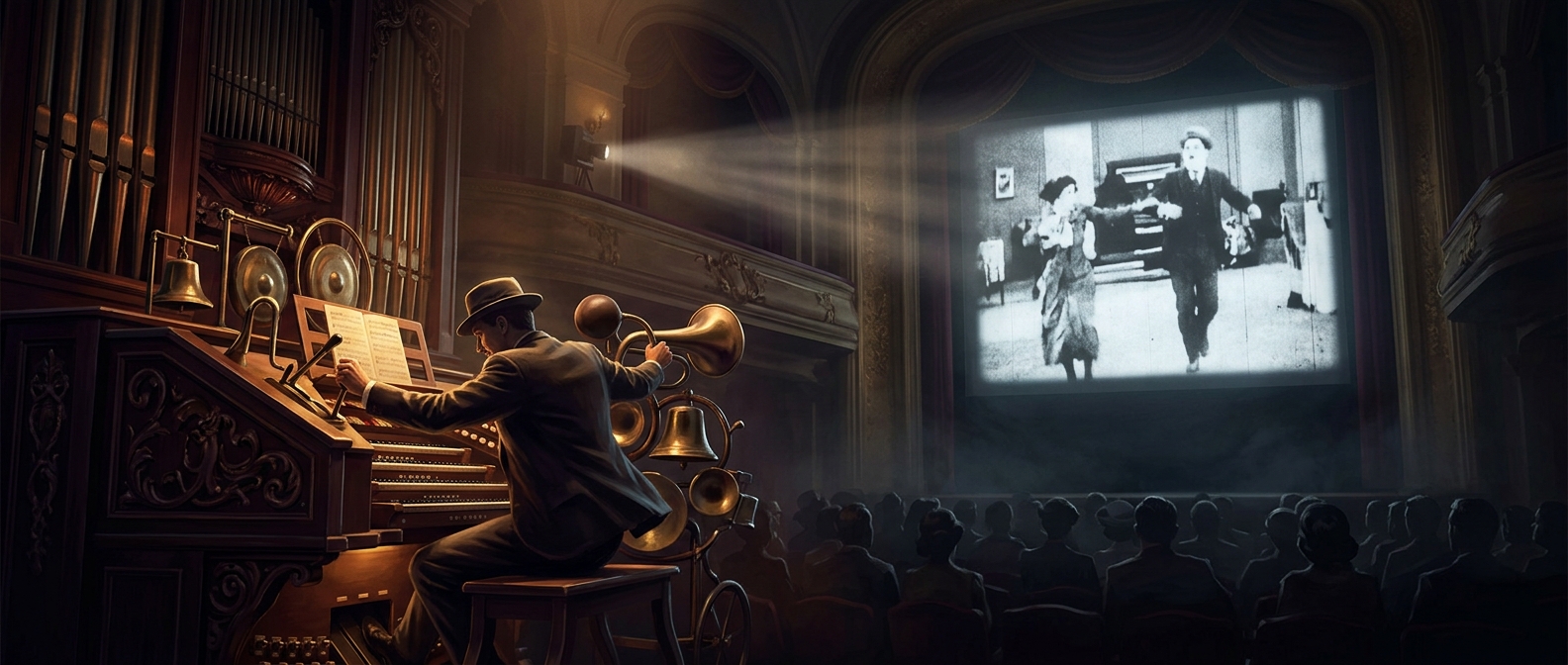
A Mighty Wurlitzer was a large theater organ built to do more than play tunes. Its keyboard could be connected to pipes and mechanical devices that produced varied sounds, from musical tones to effects such as horns and bells. An organist could weave those sounds into the score as the action unfolded. Other effects might come from separate props operated in the theater.
The effect did not have to imitate a sound perfectly to work. A sharp klaxon-like blast could announce danger; castanets could suggest a horse’s hooves. Bells concealed behind the walls could ring from an unseen part of the room, making a sound seem to belong to the world on screen rather than to a visible performer.
The performance was part of the screening
Because the soundtrack was performed live, its timing and texture could vary from theater to theater. Musicians and effects workers had to follow the film’s changing action, turning images into cues for music and noise. That made each screening a small act of performance, not simply a projection of a fixed, complete work.
The room itself became part of the storytelling: a hidden bell could make an image feel as if it had reached beyond the screen, while a sudden burst of sound could give a silent chase its momentum.