When the Film’s Cuts Became Musical Cues
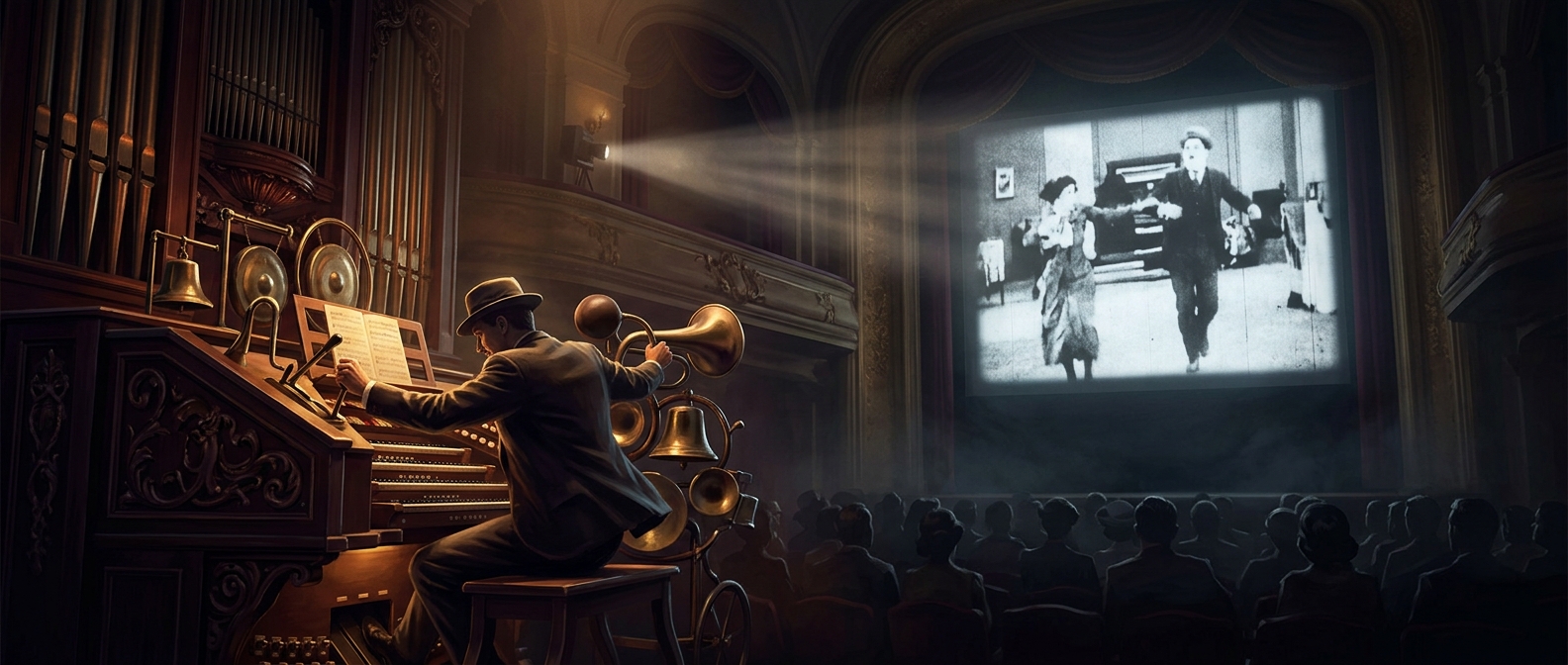
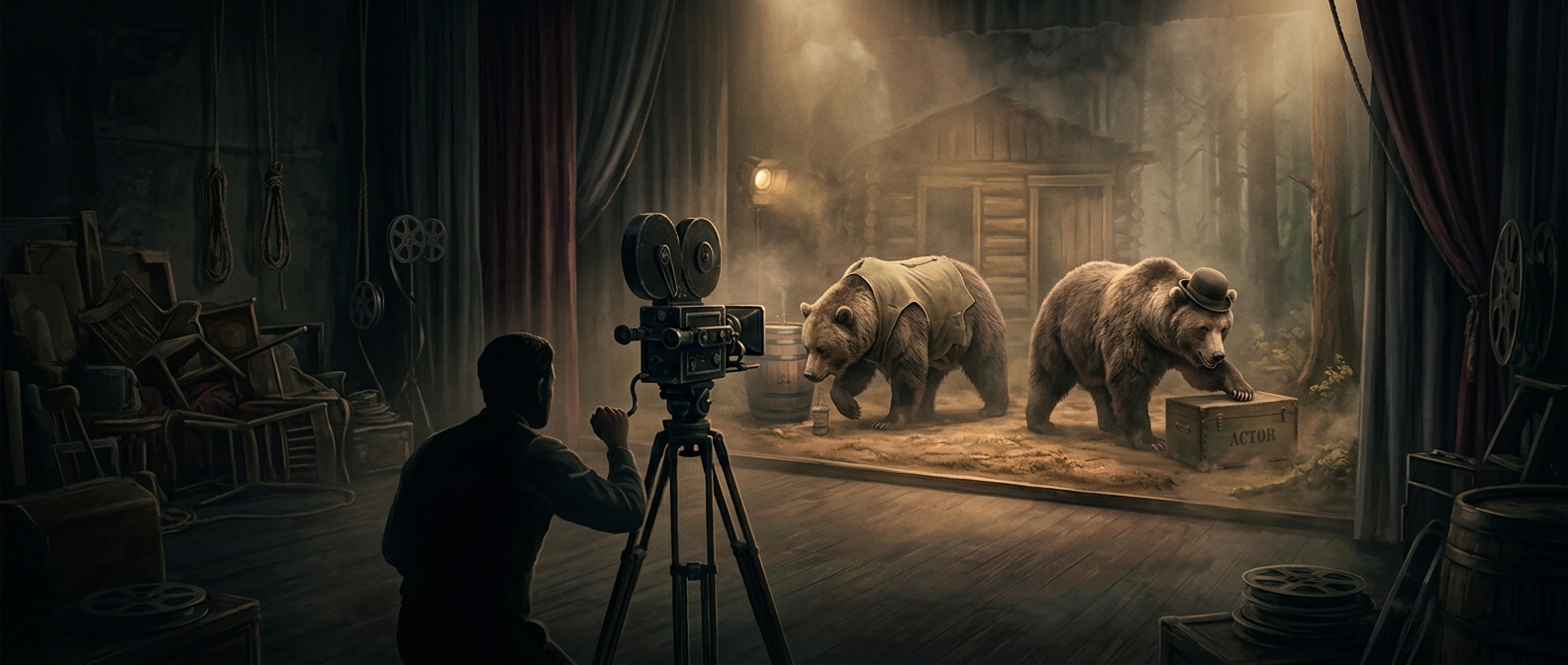
A film score written to follow the screen is not simply background music. Its passages must arrive at particular moments—when an image changes, an action unfolds, or a scene shifts. In this performance, Shostakovich’s rapid, intricate score had to track the silent film’s edits, leaving the orchestra little room to drift without the mismatch becoming obvious.
Why Sight-Reading Went Wrong
To sight-read is to perform music from notation that musicians are encountering in real time, rather than from a piece they have already learned through rehearsal. That is demanding even for music with a steady pulse. Here, the musicians also had to keep their place through quick, complex passages while matching the film’s changing images.
Once the orchestra fell behind or lost its place, getting back in sync was difficult: the music was tied to what appeared on screen, not just to a beat the players could follow independently. The brass, especially noticeable at full volume, continued sounding out of step and overwhelmed the film’s images and action.
A Score Can’t Pause for the Players
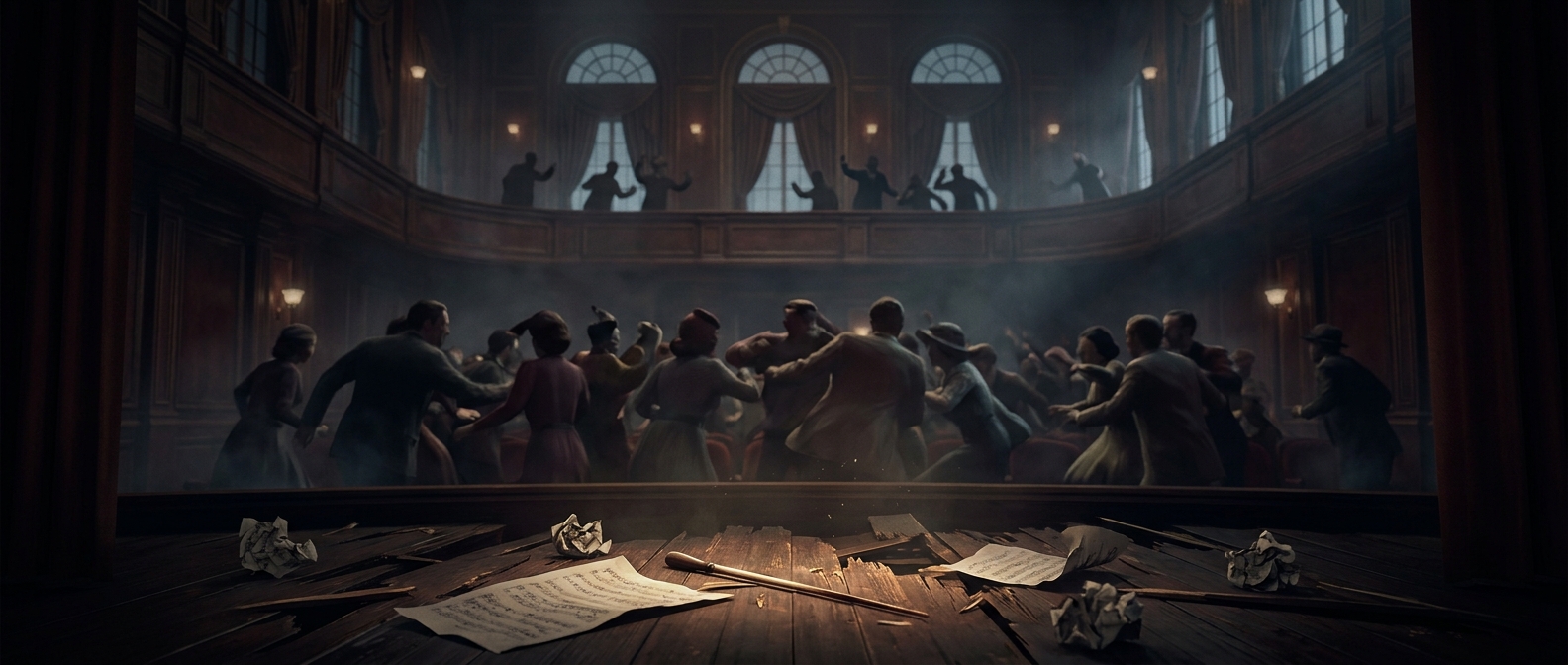
For two hours, the mismatch turned accompaniment into a competing event. The episode shows the particular risk of performing a tightly synchronized film score without first mastering it: a mistake does not stay confined to the notes. It changes what the audience can hear and makes the screen harder to follow.