The hidden cost of keeping a wilderness cast
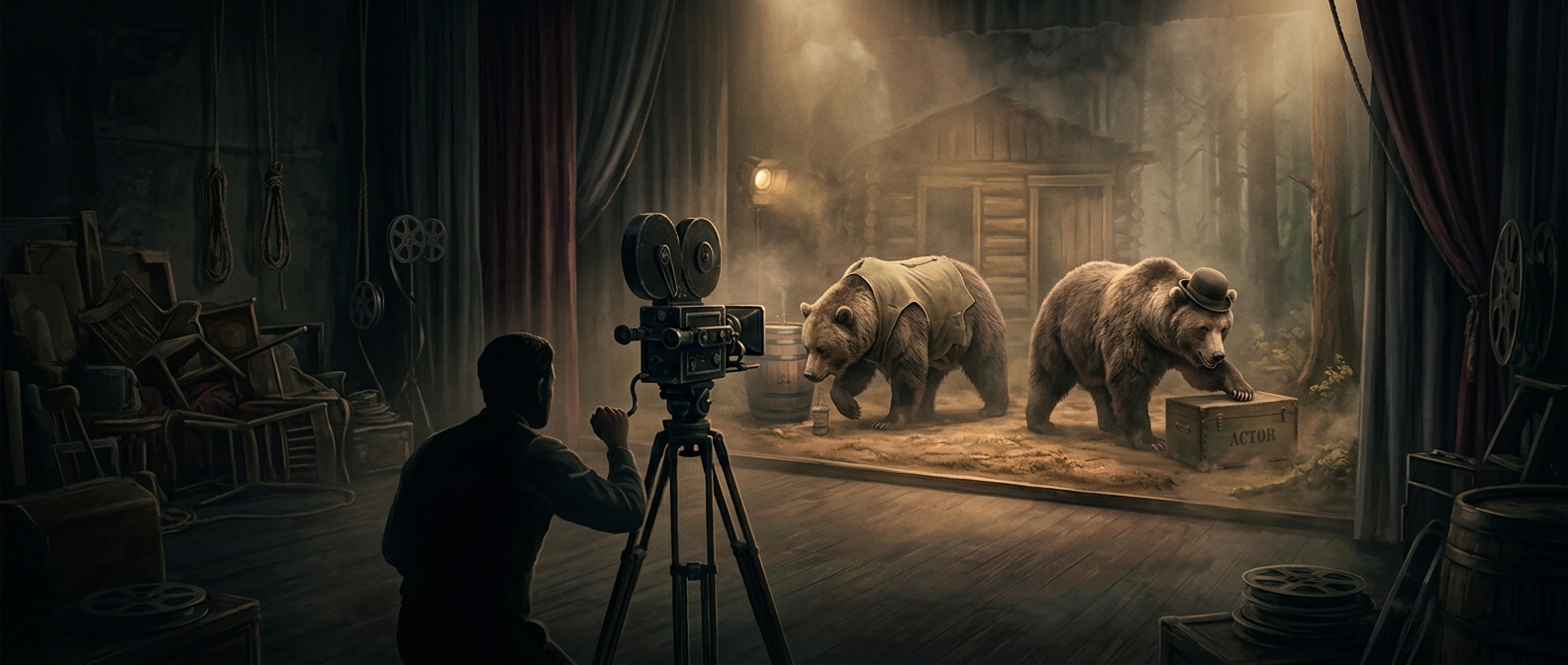
For Nell Shipman, working with bears and cougars meant more than arranging their appearances before a camera. Animals needed food and care whether a scene was being filmed or not. That made them a continuing production expense, unlike equipment that could simply be put away between shoots.
An independent company had to meet those costs without the financial cushion of a major studio. Feeding large animals could therefore drain money even when a production was not earning it back. The same choice that gave Shipman unusual performers also tied her business to an expensive, ongoing responsibility.
A creative advantage with a business limit
Wild animals could make a film’s encounters feel immediate in a way that staging the scene with human performers alone could not. But their presence also narrowed the company’s financial room to maneuver: the animals could not be treated as a temporary effect that disappeared when filming stopped.
That tension helps explain how an adventurous production idea could become a financial liability. Shipman’s work with bears and cougars was not just a matter of daring performances; it required sustaining the animals behind the scenes, until the cost of feeding them overwhelmed the company.