Why Make a Coin Almost Too Small to Handle?
A coin’s size is not just a matter of convenience. In a silver-based monetary system, the metal itself helped determine what a coin was worth. Making a piece extremely small allowed a tiny amount of silver to stand for a small unit of value—but left little room for the features that make ordinary coins easy to see, grip, and distinguish.
The 1740 silver Jawa pushed that tradeoff to an extreme. At two millimeters across, it was closer to a speck than to the coins most people picture. Its small mass also meant that even a slight difference in the silver used could matter proportionally more than it would in a larger coin.
When Money Shrinks, Handling Gets Harder
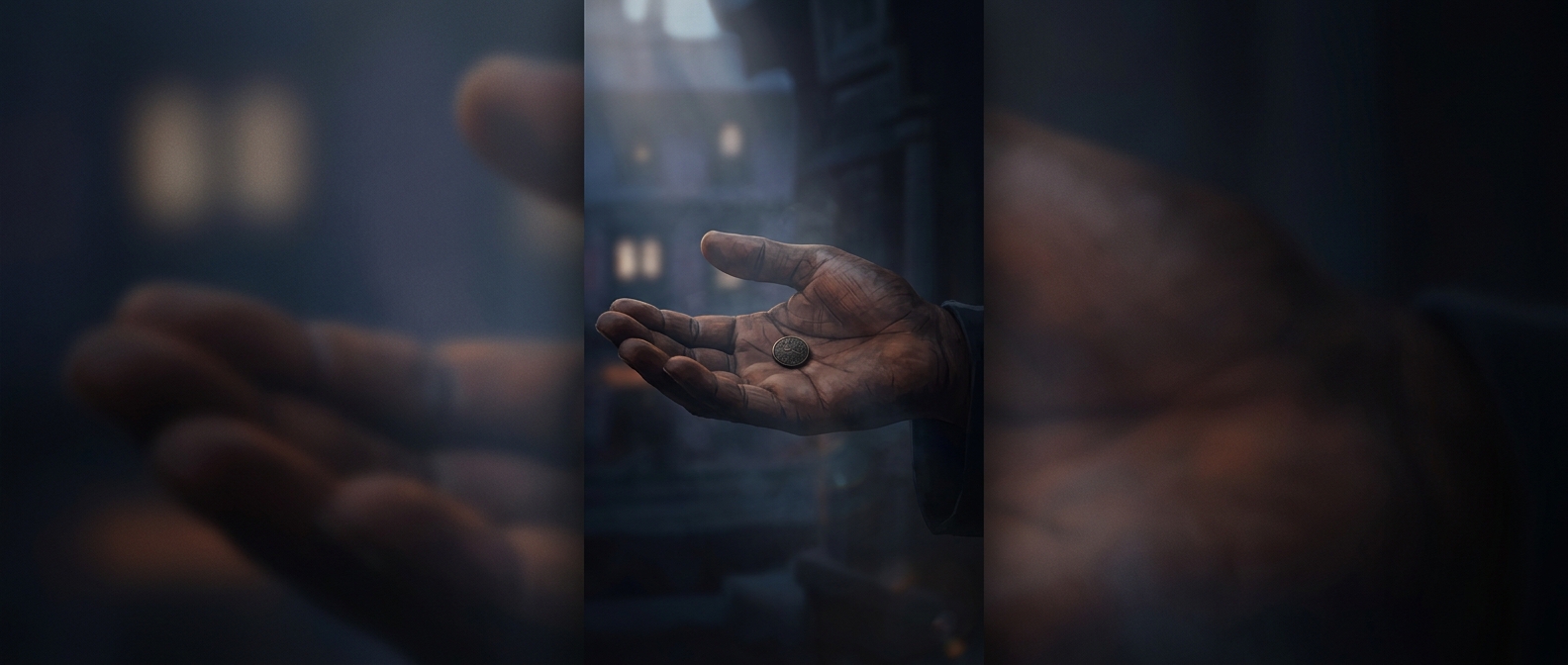
A coin this small would be easy to lose, and difficult to pick up reliably with fingertips. Those drawbacks reveal the tension behind miniature currency: the smaller the piece, the less metal it uses, but the less practical it becomes to handle as an individual object. A coin’s value could be tiny; its physical presence was tinier still.
That mismatch is what makes the Jawa memorable. It compresses the idea of money—value represented by a piece of metal—until the object nearly vanishes between the fingers.