When a Canal Crossing Became Part of the Ride
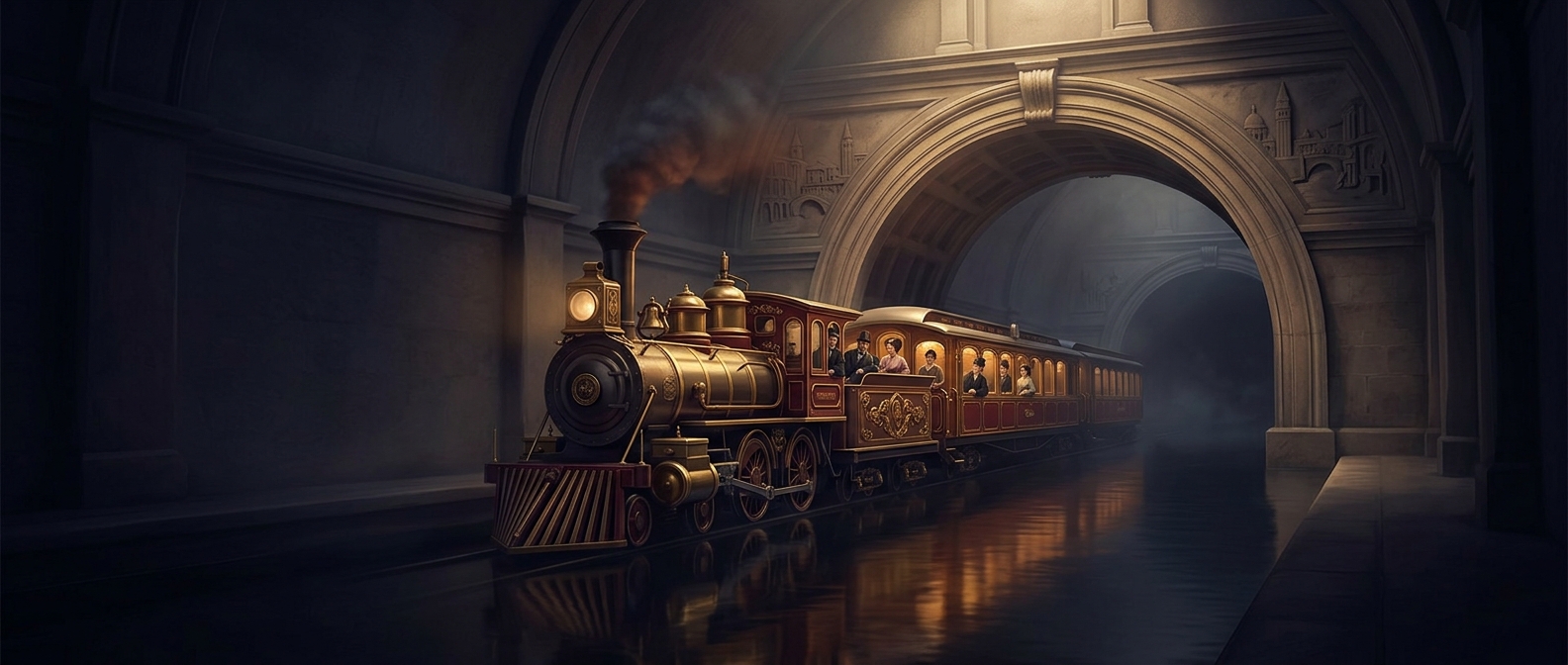
On the railway route that preceded today’s Danyang–Kunshan line, crossing canals put two kinds of infrastructure in the same view: the train’s route overhead and the waterway below. For passengers, the change was tangible. A train approaching a canal had to carry its weight across an open span, then return to solid ground without interrupting the journey.
The Engineering Was on Display
A canal bridge had to leave enough room for boats to pass while supporting the railway above. That meant the crossing was not just a scenic detour; it was a practical solution to two transport networks sharing a crowded landscape. From a carriage window, travelers could watch the train enter the structure, cross the water, and continue—making the machinery of travel unusually visible.
In an era before mass tourism, that view could itself be a talking point. The trip offered passengers a close look at a major engineering work, something worth recounting after they arrived. The memorable detail was not simply that the train crossed water, but that it did so while canal traffic continued beneath it.