What cellular “cleanup” means
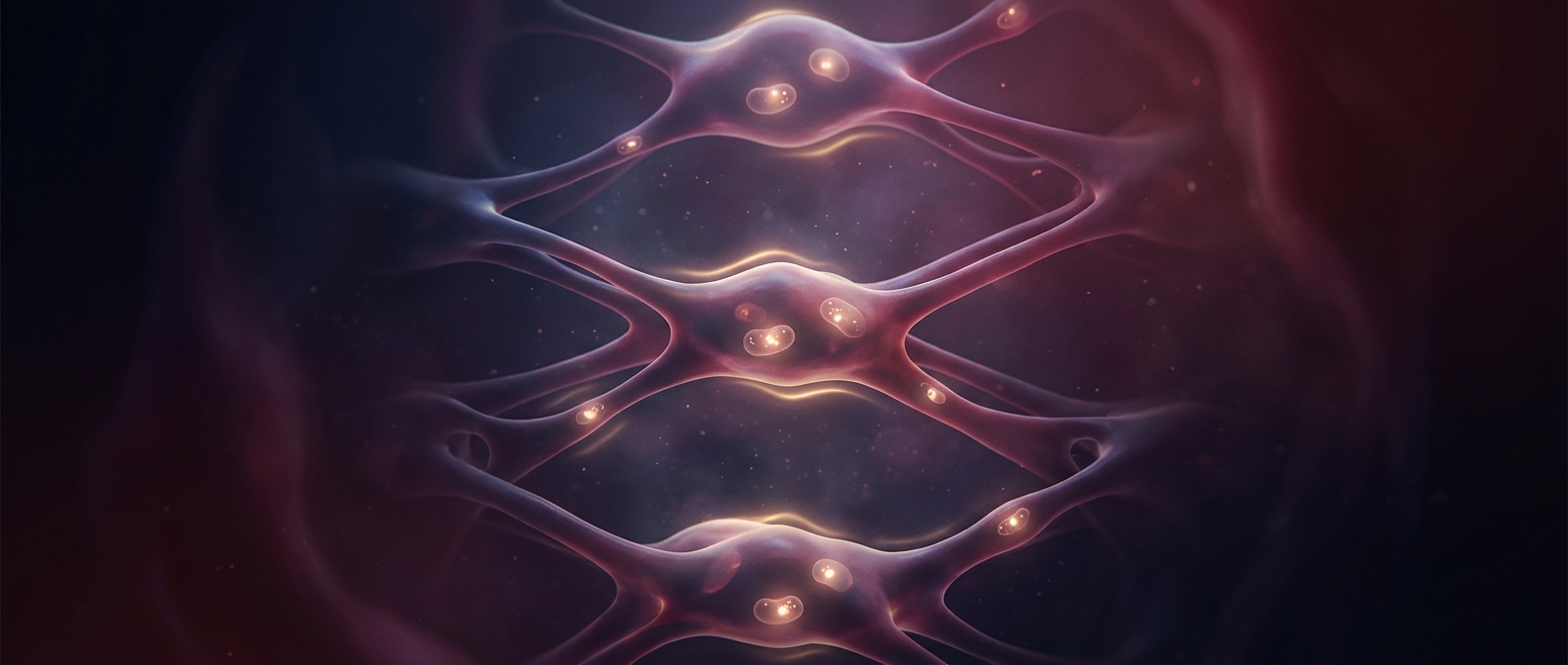
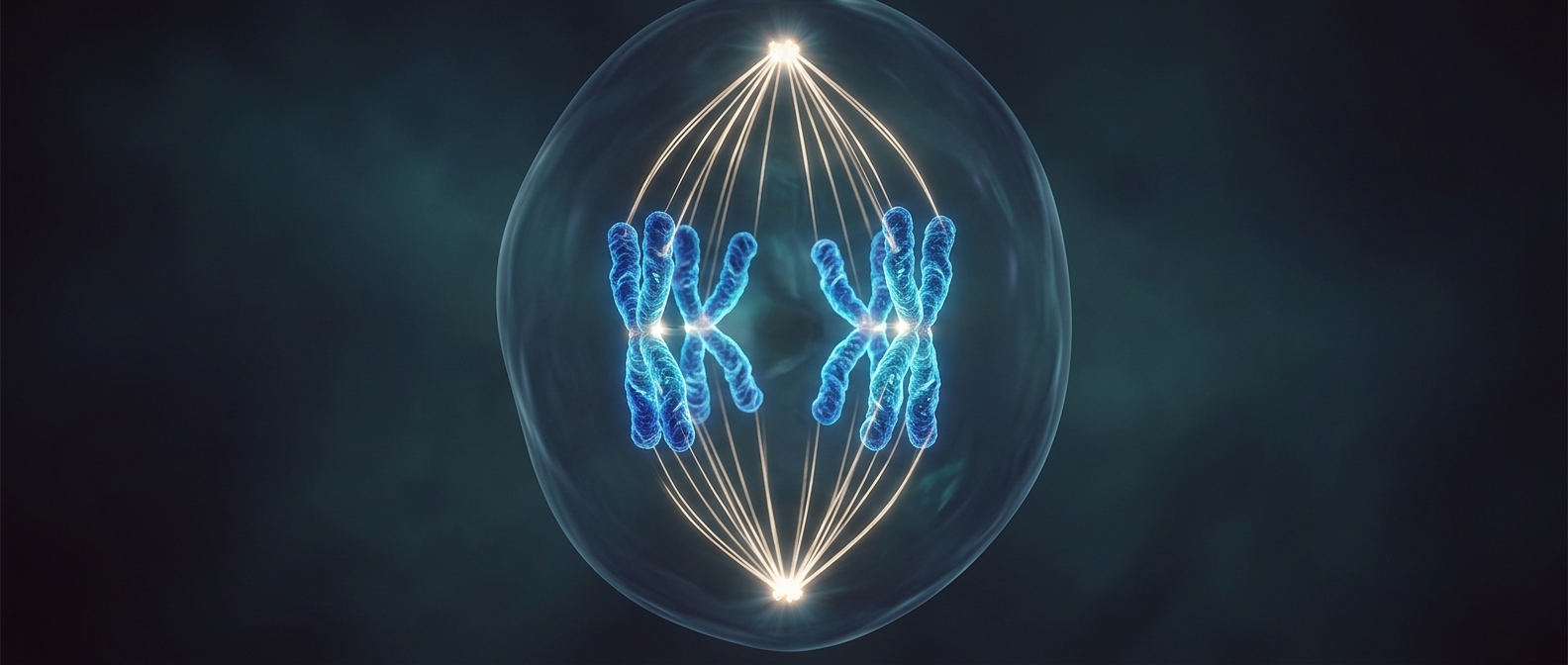
The process often associated with fasting is autophagy—literally, “self-eating.” Cells use it to break down worn-out proteins and damaged parts, then reuse the resulting building blocks. It is less like a deep clean that begins all at once than an ongoing repair-and-recycling system.
How a stretch without food can affect it
After a meal, nutrients signal that supplies are available, and cells can devote more resources to growth and other tasks. When food has not arrived for a while, those signals shift. The body draws more on stored fuel, while cells may increase processes that conserve and recycle materials, including autophagy.
That shift is not a timed switch. There is no universal 14-hour mark at which autophagy suddenly starts. Its activity differs among tissues and depends on factors such as a person’s metabolism, recent meals, and overall health. Much of what scientists know about fasting-related changes comes from laboratory research; measuring autophagy across the human body in everyday conditions is difficult.
Why the distinction matters
A 14-hour overnight gap may be part of a normal eating routine, but the clock alone cannot tell you how much cellular recycling is happening—or whether a longer fast would be beneficial. Autophagy is one part of ordinary cell maintenance, not a guaranteed cleansing event that can be switched on by skipping a meal.