When a Name Could Reopen the Succession
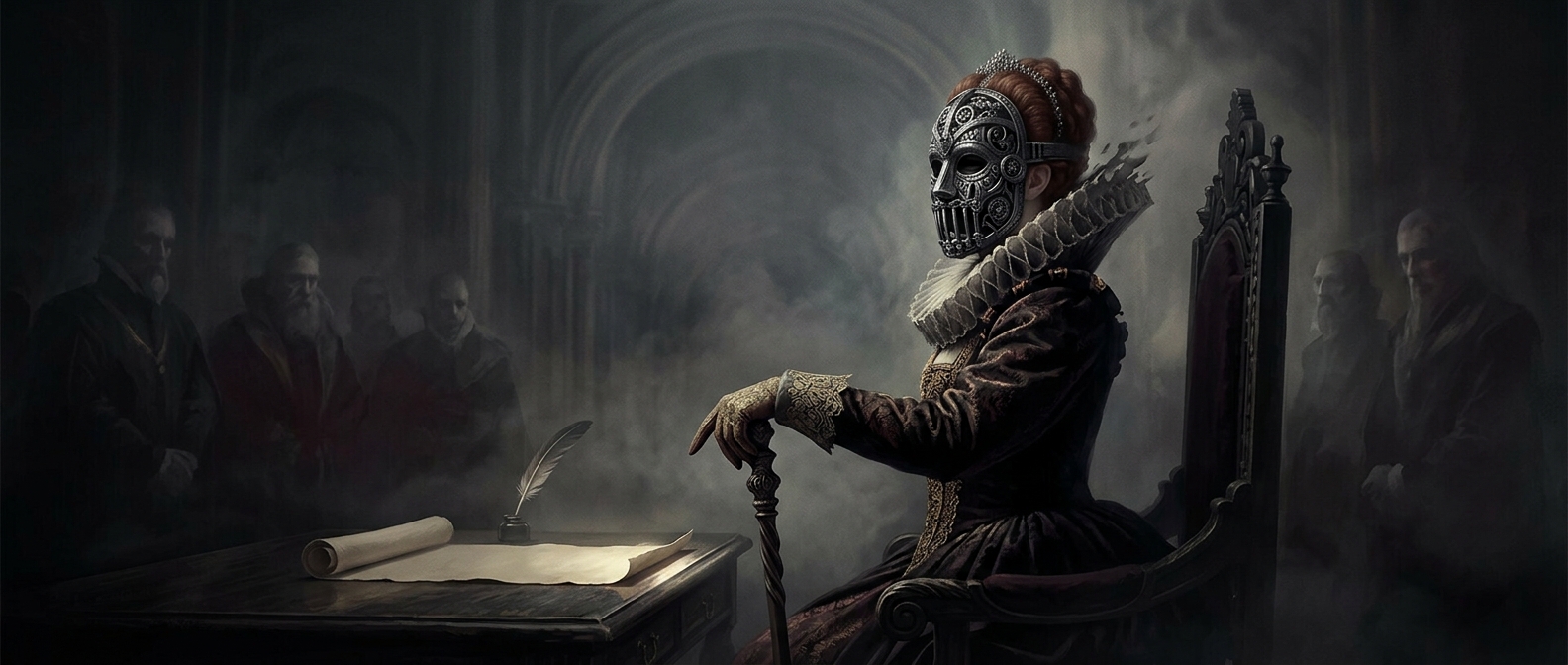
When Tsar Feodor I died in 1598 without an heir, the ruling dynasty founded by Ivan the Terrible came to an end. His younger brother Dmitry had died as a child years earlier. In a monarchy where a ruler’s right to govern rested heavily on family descent, that absence left a dangerous question: who could claim the throne legitimately?
Boris Godunov became tsar, but his authority did not settle the question for everyone. In 1604, a man later known as False Dmitry I appeared in the Polish-Lithuanian Commonwealth, claiming to be the prince who had escaped death. His identity was disputed, but the story offered opponents of Godunov a powerful political possibility: the rightful heir might still be alive.
From Claim to Crown
A royal name could gather support that an ordinary challenger could not. Polish nobles and other allies backed the claimant, and his forces crossed into Russia. When Godunov died in 1605, the government lost its central figure; the claimant’s army continued advancing, and Godunov’s son was overthrown. False Dmitry entered Moscow and was crowned tsar.
His brief rule showed that a claim did not have to persuade everyone to be politically effective. It had to persuade enough people—soldiers, nobles, and officials—to act on it. Once that coalition formed, the claimant’s asserted identity helped turn military pressure into a claim to lawful rule.
The Claim Outlived the Claimant
False Dmitry I was killed in a coup in 1606. Yet the idea that Dmitry had survived did not disappear with him: later pretenders also adopted the prince’s name during Russia’s ensuing period of upheaval. Their claims did not restore the old dynasty. Instead, they exposed how deeply the succession crisis had weakened confidence in who could rule.
In the Time of Troubles, a dead prince’s name was more than a disguise. It was a credential that could unite dissatisfied forces around a rival throne—and help carry one claimant all the way into Moscow.