How a carbon framework can weigh less than air
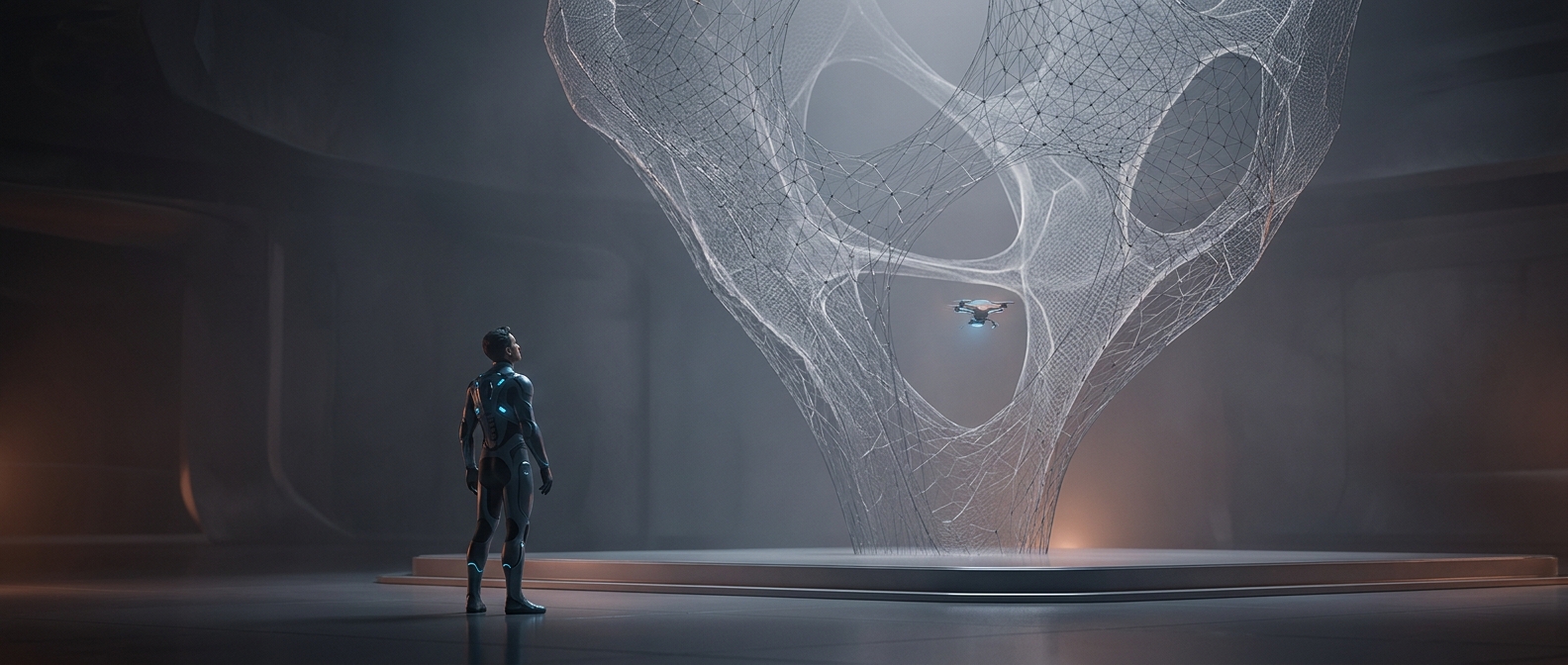
Aerographite gets its astonishing low density from its architecture, not from carbon itself being unusually light. Carbon forms a three-dimensional web of hollow, interconnected tubes, leaving most of the material’s overall volume as open space. The result is a solid framework with very little mass spread across a comparatively large volume.
Its reported density—about one-sixth that of air—uses the framework’s outer volume, including its pores. That distinction matters: air can pass through the open network, so a block does not push aside air as if it were a sealed, solid object. Being less dense than air does not automatically make aerographite float like a balloon.
Making a structure out of almost nothing
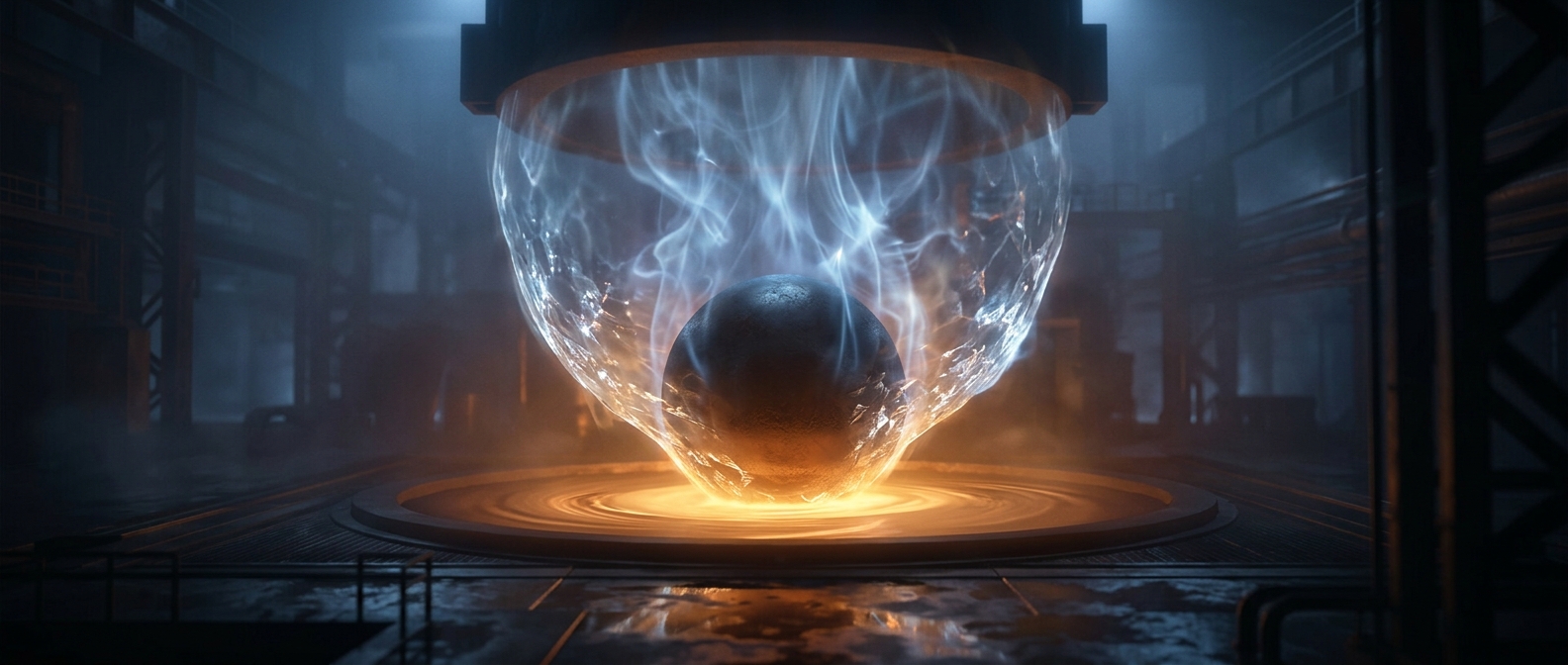
The material is produced by first creating a temporary, porous scaffold and then growing carbon onto it. Once the scaffold is removed, the carbon remains as a thin, connected skeleton. This templating approach lets the structure be extraordinarily open while still holding together as one piece.
The tube network also gives aerographite properties that seem at odds with its featherweight appearance. Connected carbon paths let it conduct electricity, while the open framework can be compressed and then recover much of its shape. Instead of a dense chunk that resists deformation, it behaves more like a springy microscopic lattice.
Why the flower-petal comparison needs a scale
At the material’s very low density, a block with the volume of a car could have a mass comparable to that of a small flower petal. That is a statement about mass per volume, not a claim that such a car-sized object would be a practical, sturdy vehicle component. Its striking combination of low mass, electrical conductivity, and compressibility comes from the same design choice: build a connected skeleton, and leave nearly everything else as empty space.