How chewing can wake the gut after surgery
An operation in the abdomen can temporarily slow the intestines. Anesthesia, surgical stress, and handling of the bowel can all interfere with the coordinated muscle contractions that move food and gas along. Clinicians call this slowdown postoperative ileus. While it lasts, patients may feel bloated or nauseated and may not yet be ready to eat normally.
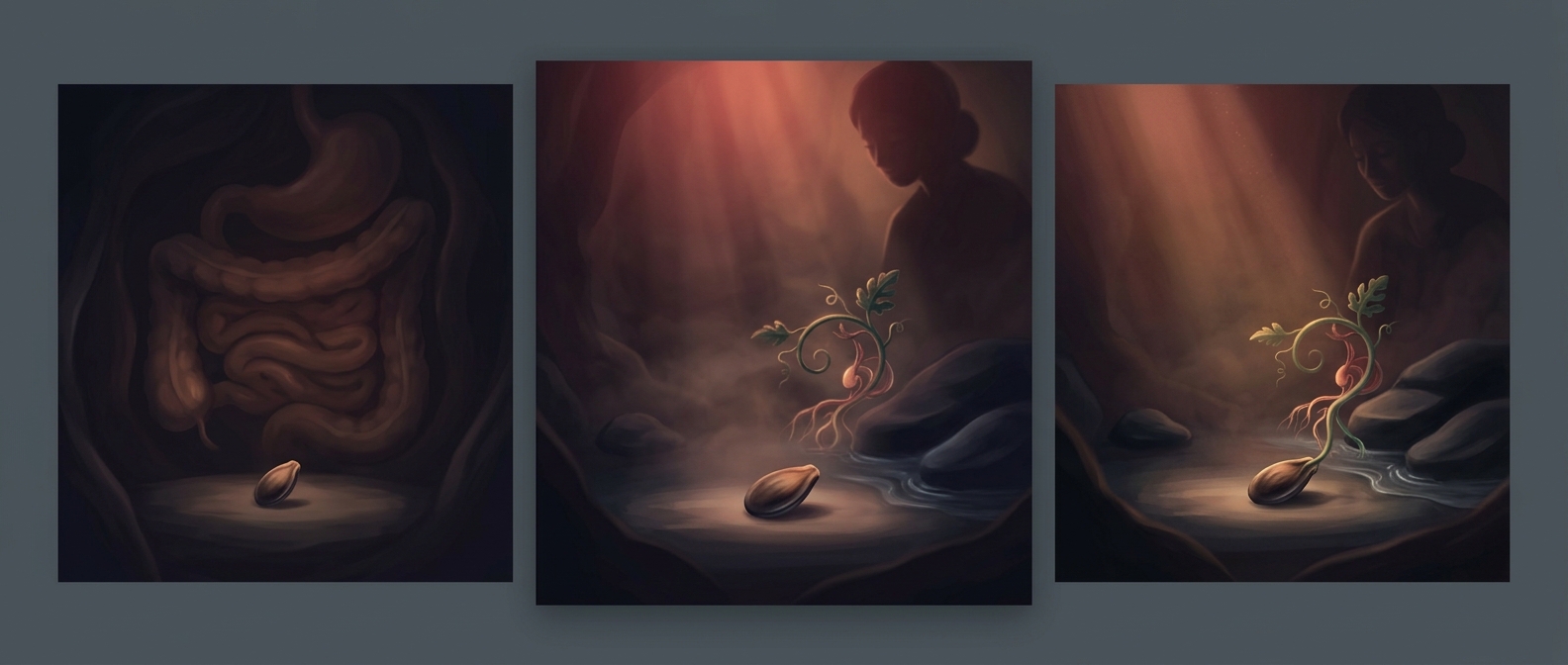
Chewing gum offers the mouth a chance to start the digestive sequence without asking the recovering gut to process a meal. Chewing activates nerves and digestive signals associated with eating—sometimes described as “sham feeding,” because the body gets the cues of food even though none is swallowed. Those signals may encourage intestinal activity and help the gut resume movement.
A small cue, not a meal
The gum is not nourishment, and it does not physically push the intestines into motion. Its possible benefit comes from the body’s response to chewing. Because the patient does not swallow solid food, gum can provide that cue without adding a meal to a digestive system that may still be sluggish.
That makes gum one modest part of recovery care, not a substitute for other medical decisions. Whether and when someone can eat after surgery depends on the operation and the patient’s condition. The practical idea is simple: while the gut is getting ready to handle food again, the act of chewing may let doctors offer it a gentle signal first.