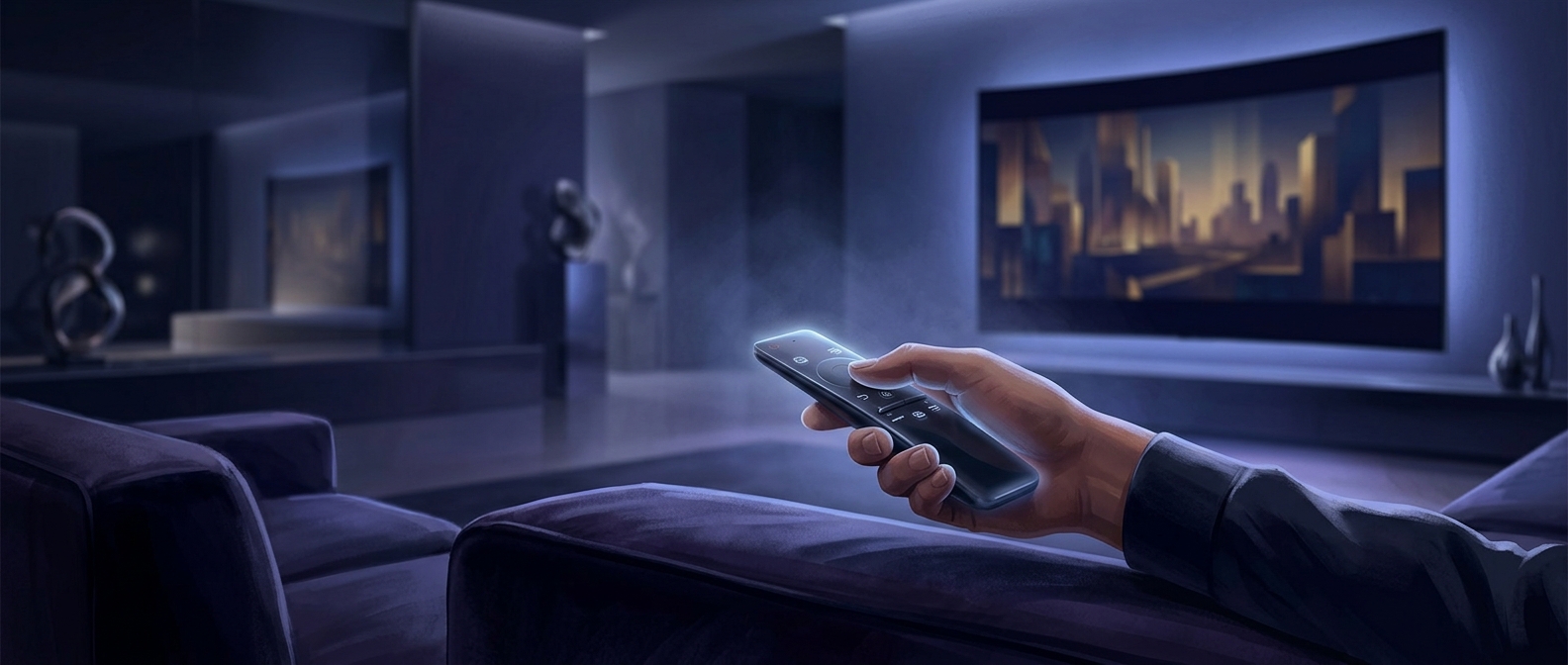
When a remote really sent a beam of light
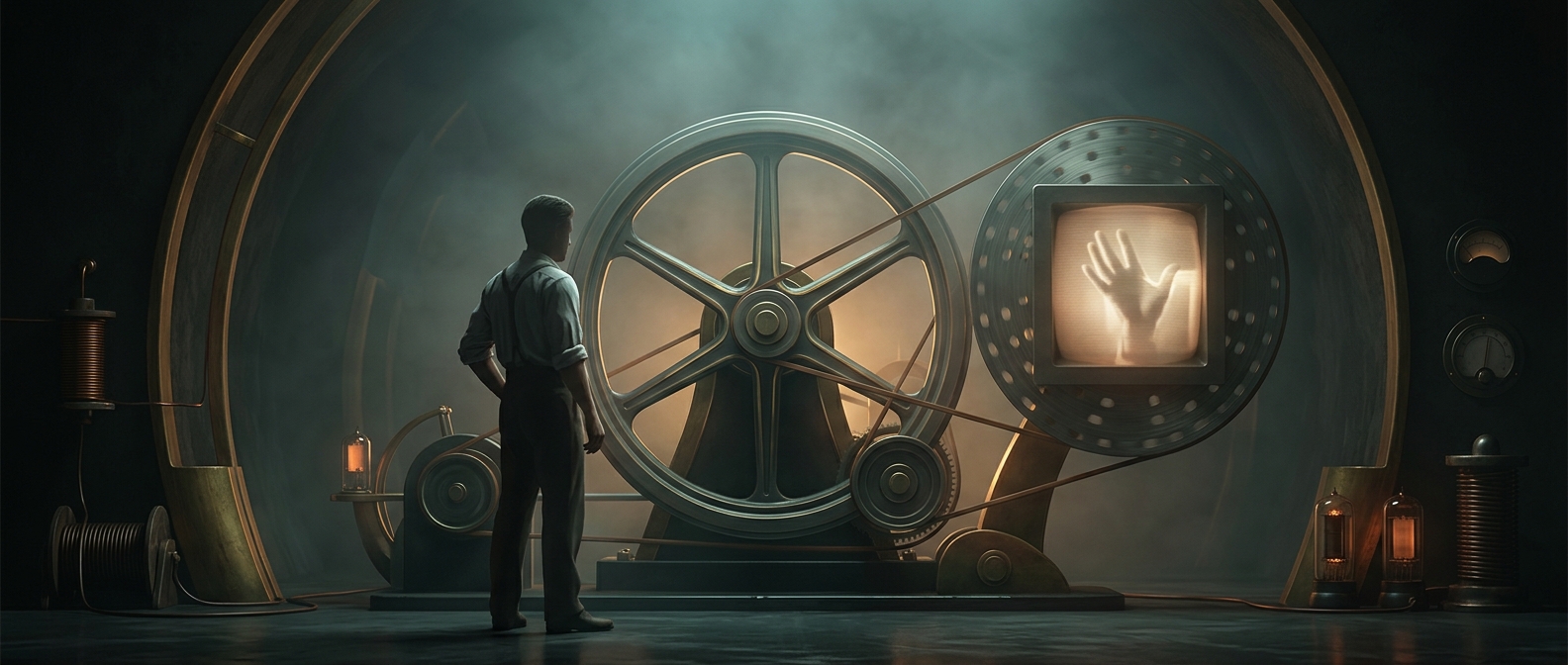
Some early television remotes worked by aiming light at sensors on the set. Pressing a button directed a beam toward a particular part of the television; sensors there translated the incoming light into a command, such as changing the channel or adjusting the volume. The remote was not sending a radio signal through the room—it needed a clear path to the receiver.
That design made the television itself part of the control system. The user had to point carefully, and the sensor needed to tell the remote’s signal apart from ordinary light in the room.
Why sunshine could confuse the TV
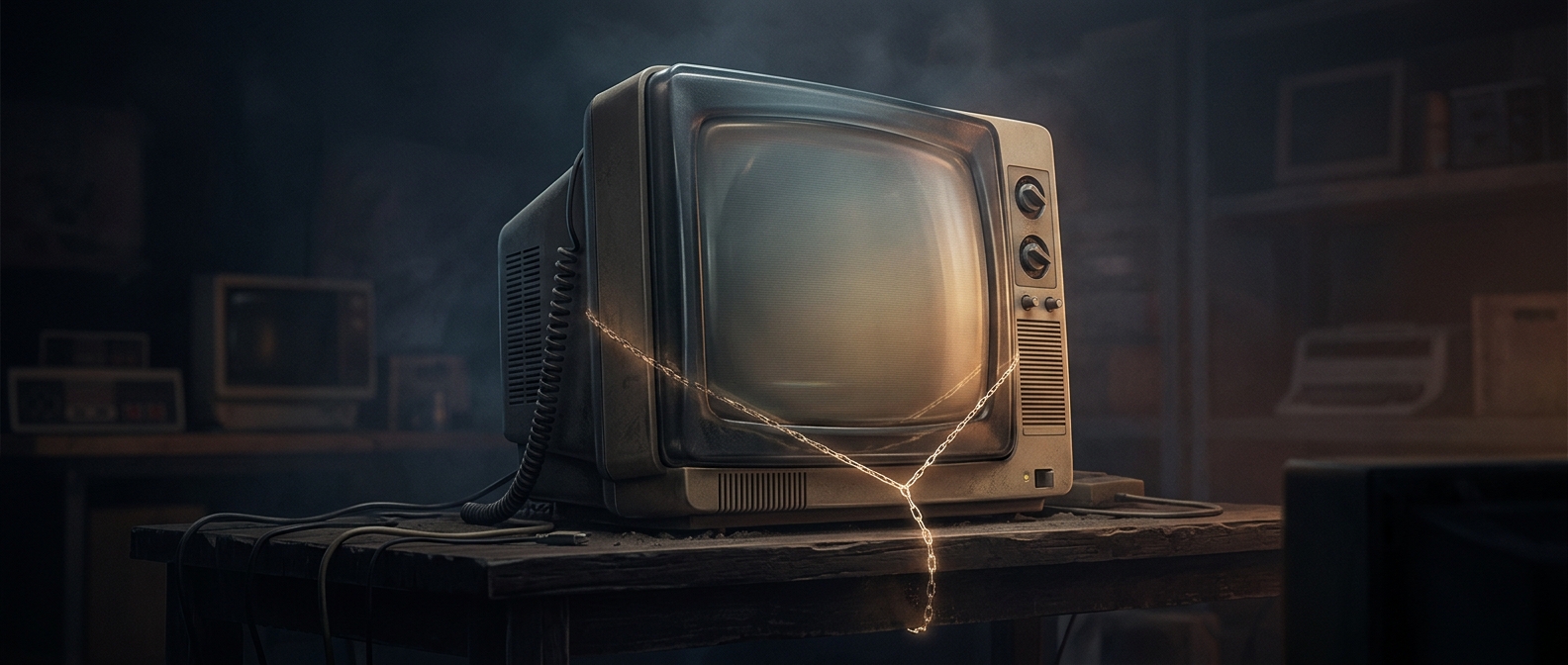
A light sensor responds to light whether it comes from a remote or the environment. Strong sunlight contains enough light to swamp the sensor or create a signal it could mistake for a command. The same beam that made button presses possible could therefore become unreliable in a bright room, especially if sunlight fell directly on the television’s sensors.
Later remotes commonly used infrared light, which people cannot see, and encoded button presses as patterns the receiver could recognize. That made commands less vulnerable to visible light—but infrared remotes still generally need to be aimed at the TV and can be disrupted by obstacles. The early light-beam approach revealed the basic tradeoff: a remote could control a set from across the room, but only if the signal reached a sensor the set could identify.