How the Red Line Keeps a Trailer Ready to Roll
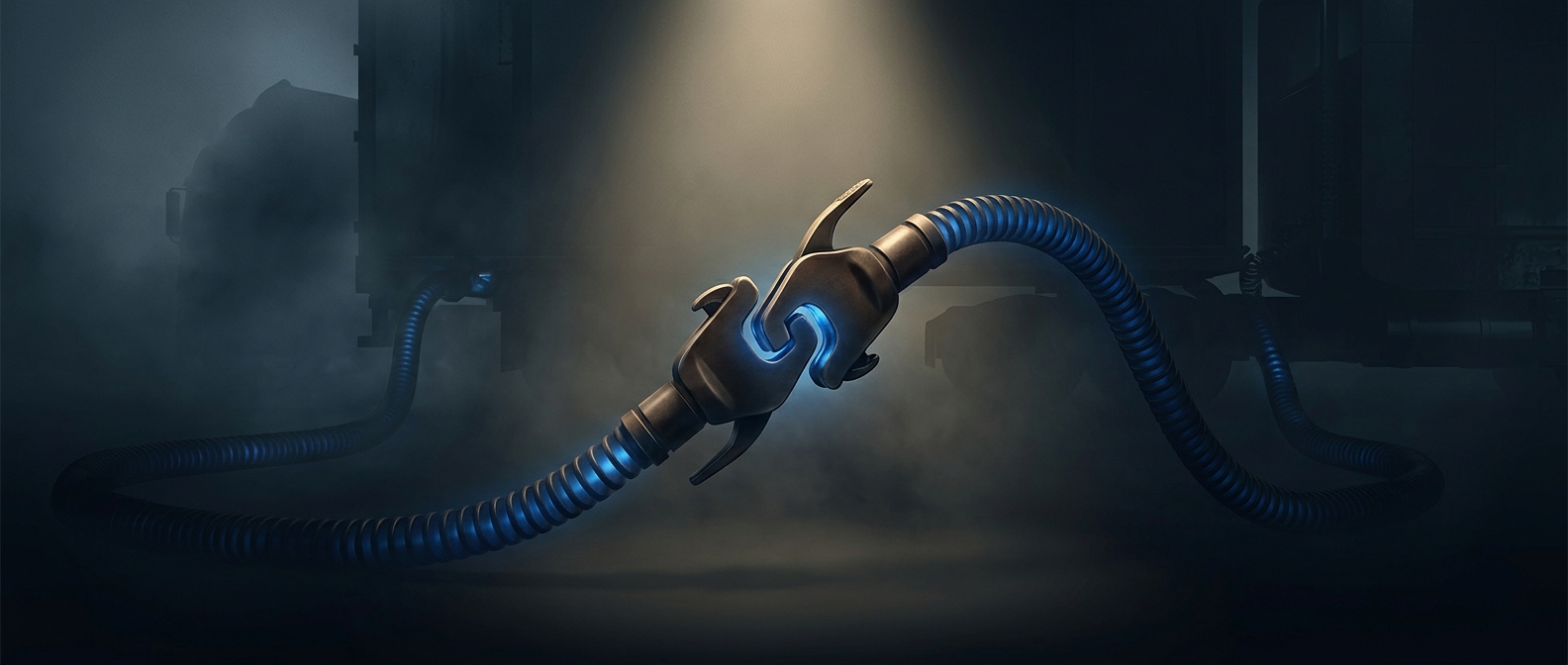
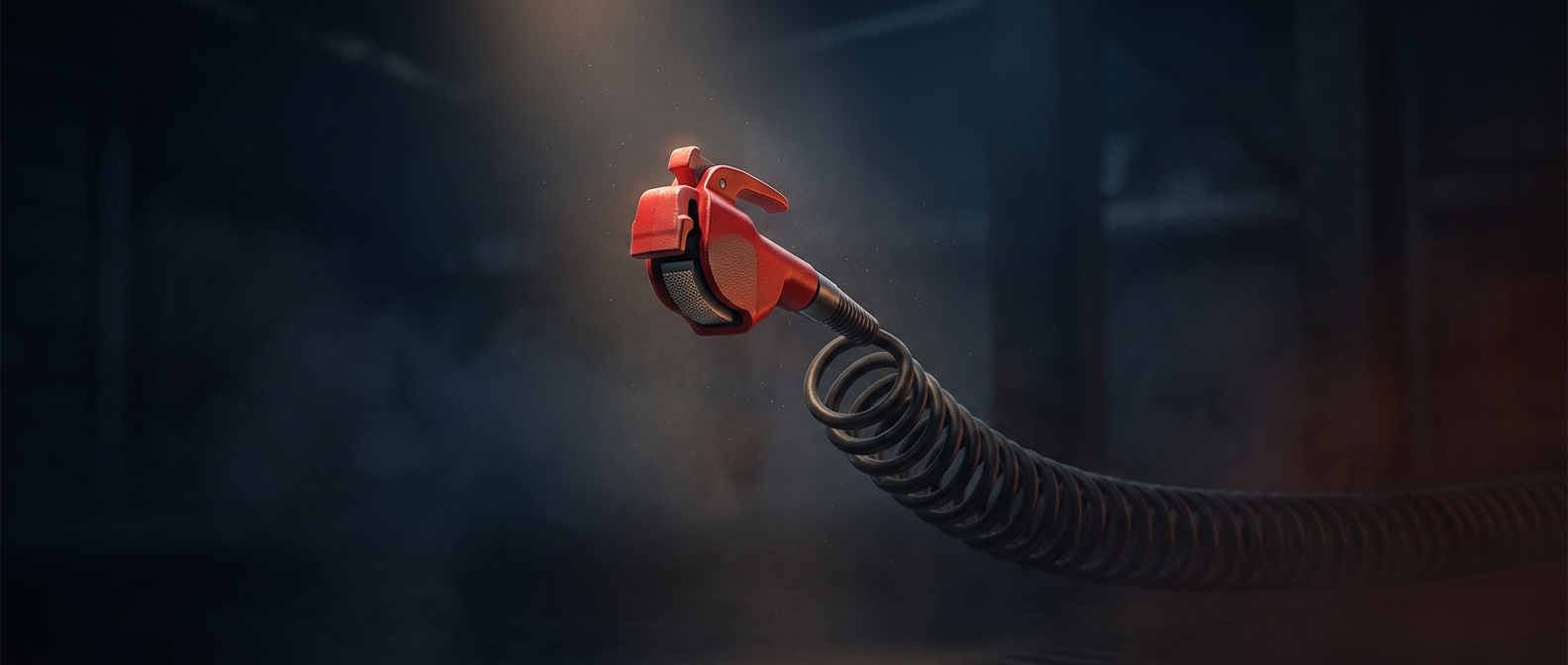
A gladhand is a hand-fastened air coupling: its two matching metal faces press together and lock with a short twist, forming a seal between truck and trailer. The red line carries the supply air that charges the trailer’s storage tank, or reservoir. That tank gives the trailer a reserve of compressed air rather than requiring every brake action to depend on air arriving at that instant from the truck.
Air pressure also holds the trailer’s spring brakes released. In each spring-brake chamber, compressed air pushes against a powerful mechanical spring. When pressure is high enough, the spring stays restrained and the wheel can turn. When the driver applies the brakes, a separate control signal uses air to operate the service brakes; the red line’s main job is to supply the trailer and keep its air system charged.
Why Losing Pressure Stops the Trailer
If the supply line breaks or comes loose, the trailer’s pressure falls. As it drops below the release threshold, air can no longer hold back the springs, and they push the brakes on. This is a fail-safe tradeoff: losing the connection can stop the trailer, but it is far safer than leaving it free to roll without a functioning air supply.
The red coupling therefore does more than join two hoses. It helps maintain the pressure that lets the trailer move, while a loss of that pressure triggers a mechanical response designed to bring it to a stop.