Why a sled dog’s paws are only a small cooling outlet
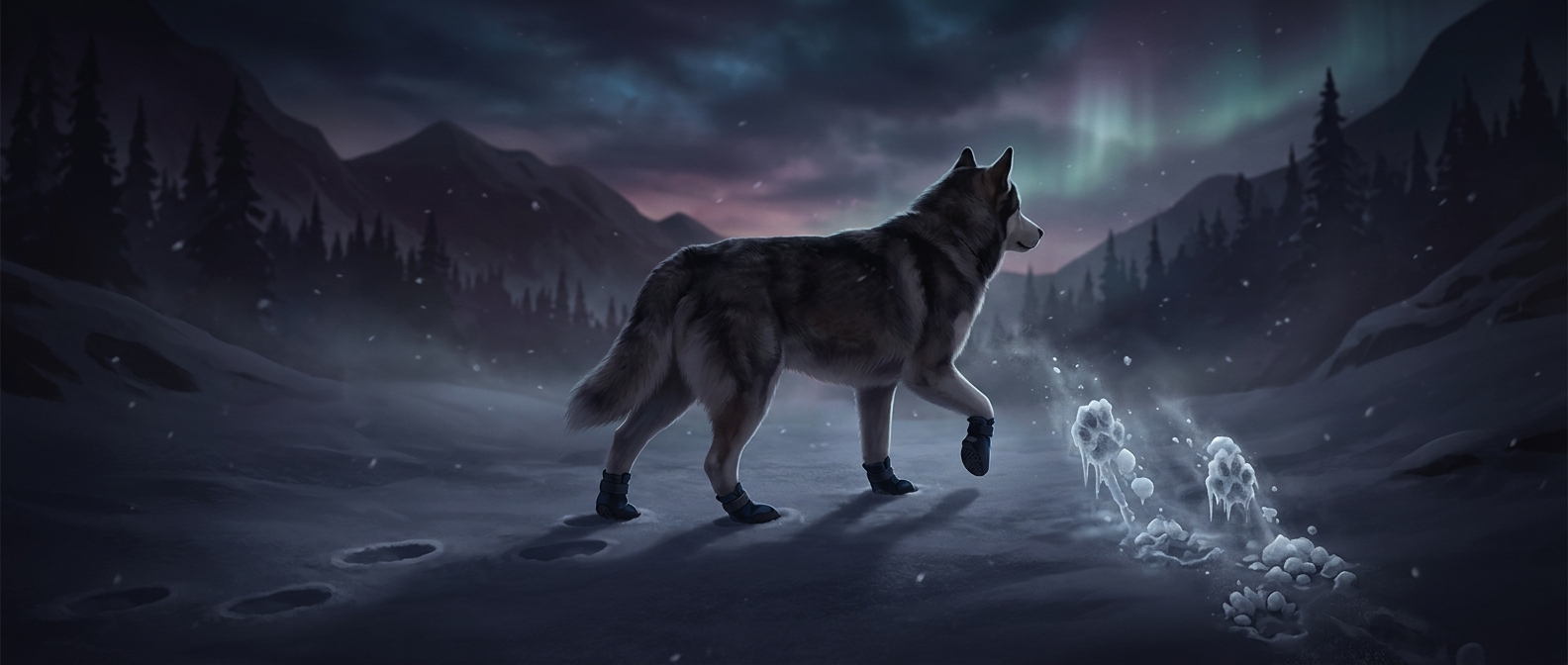
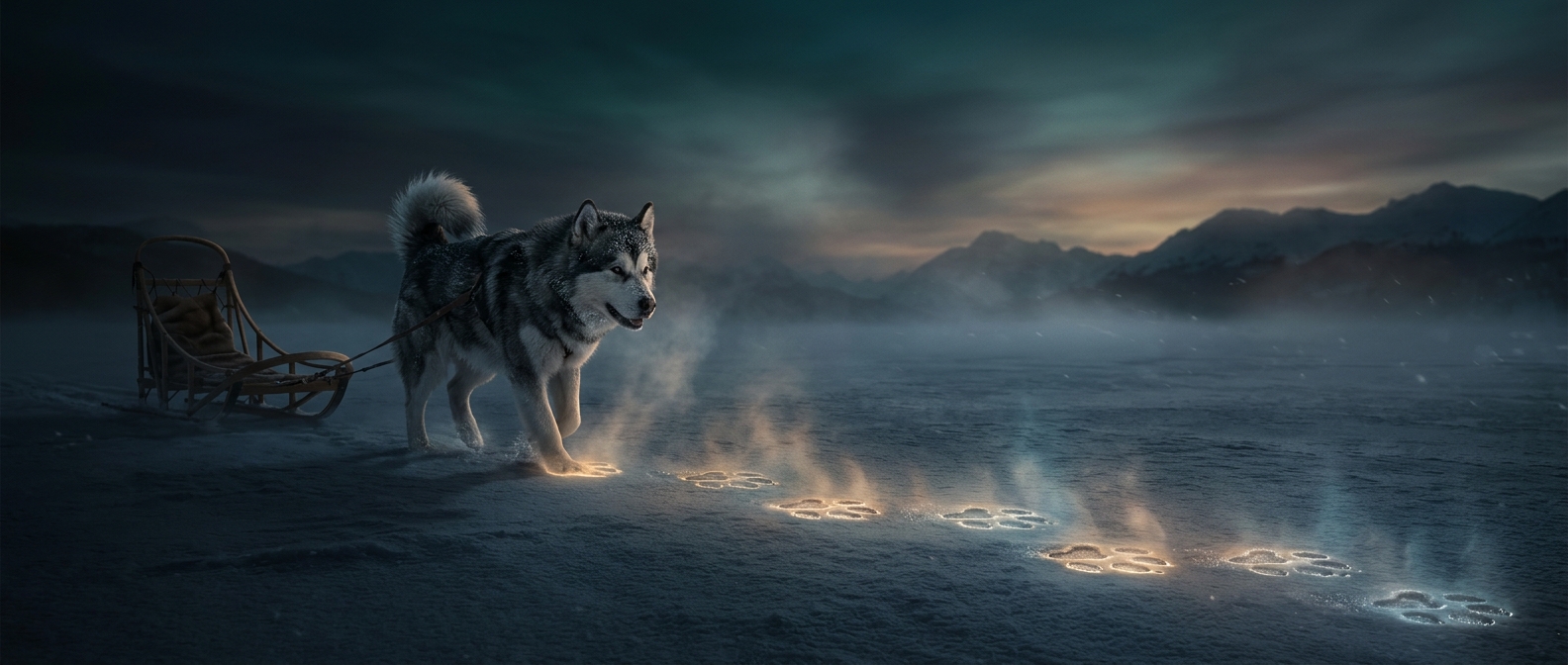
A working dog can generate substantial heat while pulling, but the sweat glands in its paw pads release only a little moisture. That sweat can evaporate from the pad’s surface, carrying away some heat, yet the paws are a small area compared with the dog’s whole body. Their main job is to bear weight and grip the ground, not to act as cooling fins.
The bigger heat-control system is elsewhere
Dogs shed much of their excess heat by panting. Rapid breathing moves air over moist surfaces in the mouth and airways; as that moisture evaporates, it removes heat. This is why a dog can pant hard after exertion even though its paws look dry.
A sled dog’s dense coat also insulates against cold, which helps in winter but can make heat management important during strenuous work. The dog must balance the heat produced by its muscles with the heat it can release through breathing and its exposed body surfaces. Paw-pad sweating contributes only modestly to that balance.
The practical takeaway is that damp paw pads do not mean a dog has an efficient, whole-body sweating system. After a hard pull, its breathing—not visible moisture on its feet—is the more obvious sign of the work its body is doing to lose heat.