A climbing dispute on Kangchenjunga
In 1905, Aleister Crowley joined an expedition attempting Kangchenjunga, then regarded as the world’s third-highest mountain. The climb was not just a test of endurance: a team had to agree on routes, timing, and when conditions made it too dangerous to continue. A disagreement over the route fractured the group’s judgment at a moment when cooperation could matter as much as technical skill.
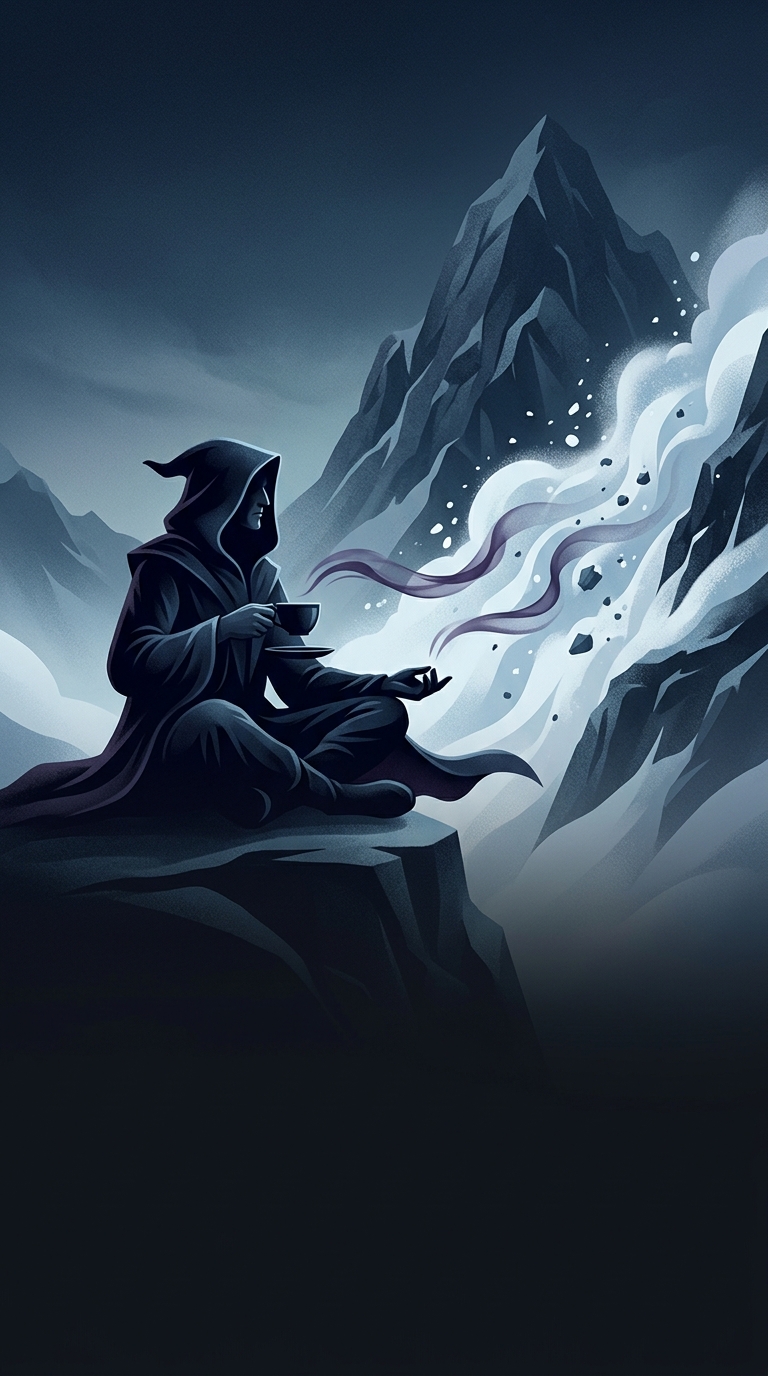
After an avalanche swept away fellow climbers, Crowley reportedly remained in his tent drinking tea rather than joining the rescue effort. The episode became notorious because it joined two kinds of risk: the mountain’s immediate physical danger and the consequences of a leader’s choices when others needed help. Accounts of what happened and why are not equally secure, so the claim that Crowley deliberately let his teammates die should be treated as an allegation, not a settled account.
When occult belief meets a mountain
Crowley’s later claim that mountain spirits had agreed with him gave the dispute a supernatural interpretation. In that framing, an argument about a route became something larger: a sign that unseen forces had taken sides. The claim reveals how Crowley presented the expedition—not proof that spirits caused the avalanche or chose its victims.
The story endures because it leaves a stark question at the edge of the tent: when a team’s trust breaks down on a mountain, who is responsible for acting when danger arrives?