Why hands are unusually hard to draw
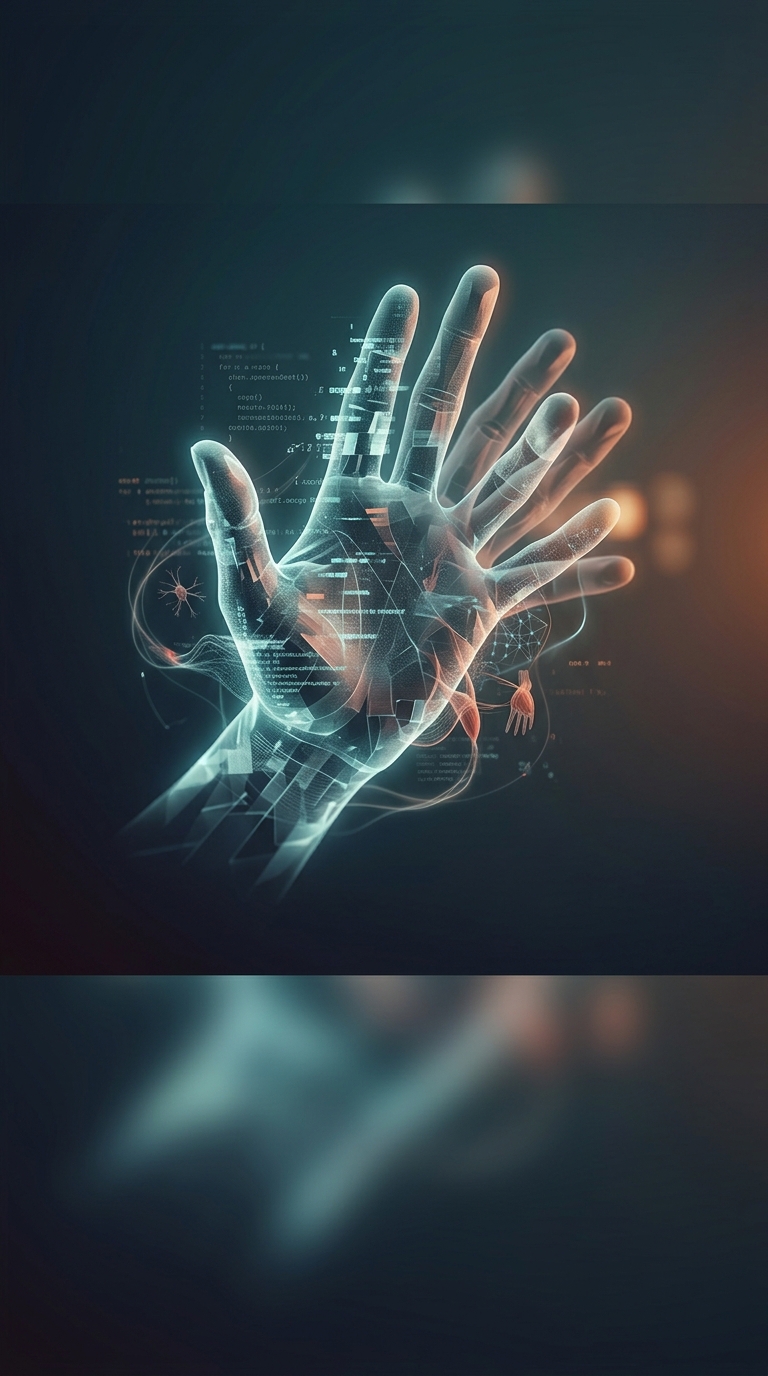
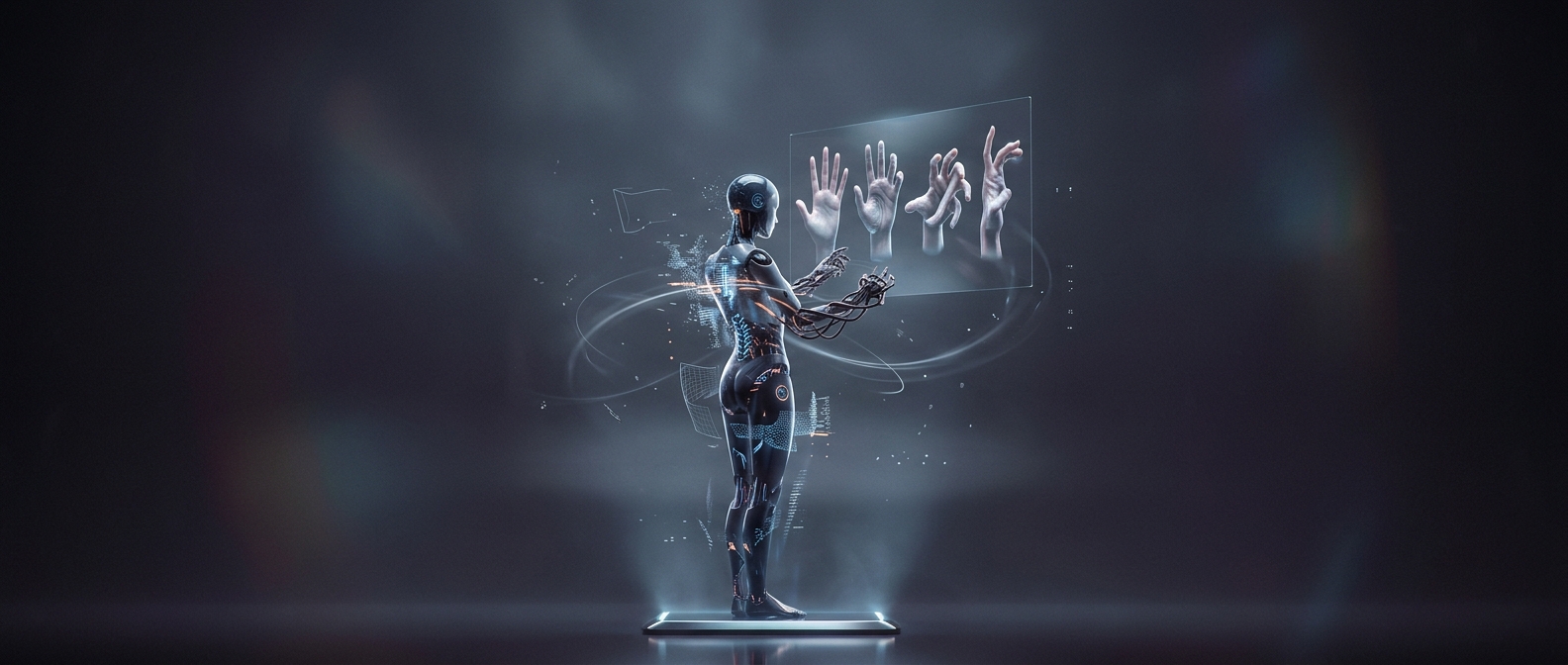
A hand is not one fixed shape. Its appearance changes with the pose, camera angle, lighting, and which fingers overlap. A small shift can hide a finger behind another or make two fingers look like one. In a photograph, people use context to infer what is happening; an image generator has to produce a plausible arrangement of pixels from patterns it learned across many examples.
That makes hands a difficult target for pattern learning. The model may capture the broad idea of a hand—a palm with narrow extensions—without reliably keeping track of which finger is attached where. When fingers overlap, bend, or disappear behind an object, their outlines provide especially ambiguous clues.
How the image-making process compounds the problem
Many image generators build a picture by repeatedly refining visual noise. They learn which pixel patterns tend to appear together, rather than following a step-by-step anatomical plan. A hand can therefore look convincing at first glance while containing a local inconsistency: an extra digit, a fused pair, or a joint bending in an unlikely direction.
Hands also occupy relatively little of many training images. A model learning an entire scene may devote more of its capacity to prominent features such as a face, clothing, or background. Fine details of fingers are harder to learn from examples where they are small, blurred, partly hidden, or viewed at uncommon angles.
Why familiar prompts can still produce strange results
The model can reproduce poses it has encountered often, but a slight change in viewpoint or a crowded gesture can push it into less familiar visual territory. It is not checking a finished hand against a body plan; it is generating a pattern that fits the surrounding image. That is why a picture may look polished overall and still fall apart at the fingertips—the scene is coherent, but the smallest and most structurally demanding details are not.