How DNA Became Readable at Scale
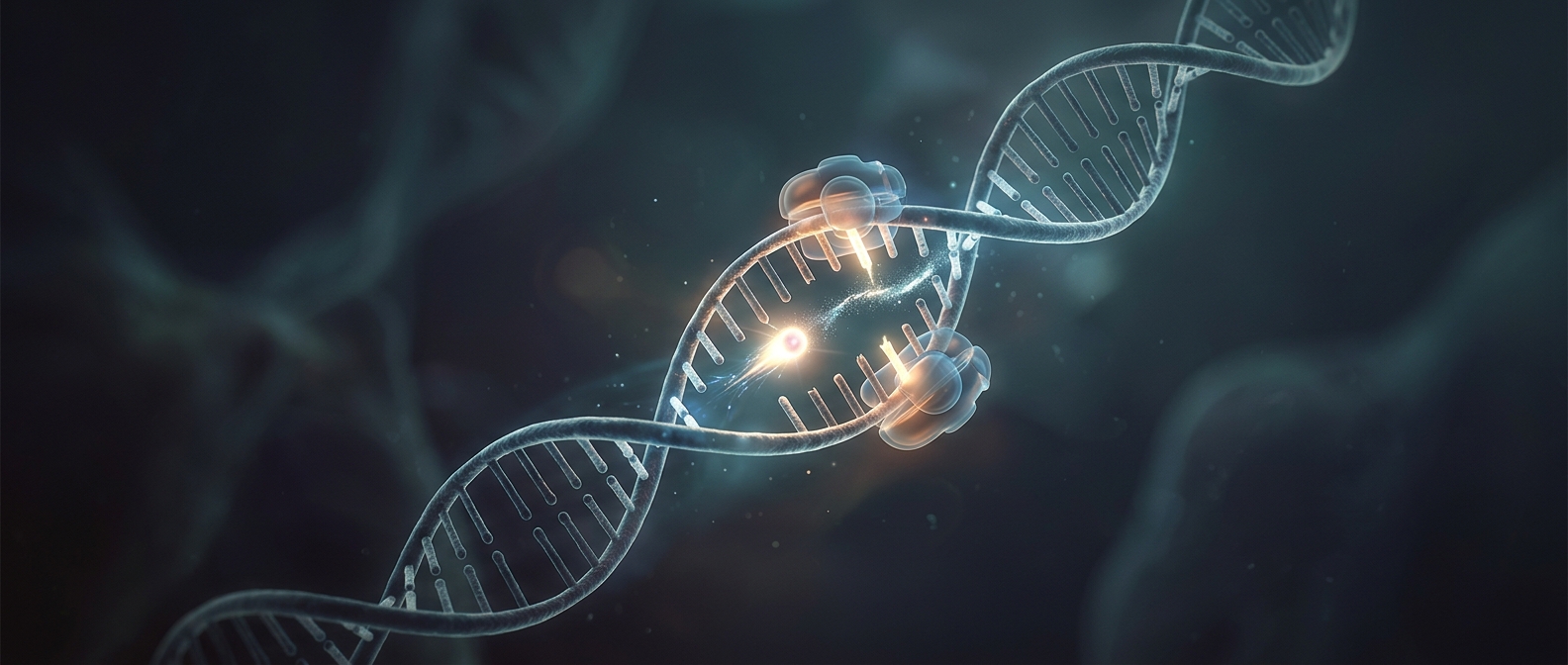
A DNA test does not read a person’s entire genetic code like a book. Consumer ancestry services typically examine selected locations in the genome—spots where people commonly differ from one another. A laboratory extracts DNA from cells in saliva, then uses chemical and electronic methods to identify which version of each selected location is present. The resulting pattern can be compared with patterns in reference groups to estimate ancestry.
That shift from specialized research to a mailed-in sample depended on making the process repeatable. Automated instruments can analyze many samples, while computers handle the pattern-matching that would be impractical to do by hand. The customer sees a simple kit and a results page; behind them is a pipeline of lab work, statistical comparison, and interpretation.
Why “Viking” Is Not a Genetic Label
An ancestry estimate is a comparison, not a direct measurement of a historical identity. Companies infer that parts of a customer’s DNA resemble DNA in their reference datasets, which are built from people whose family histories are associated with particular places. The categories depend on those datasets and on the company’s methods. “Viking,” in particular, refers to a historical and cultural identity, not a distinct genetic switch that a test can detect.
A result such as a small percentage can therefore be intriguing without proving that a specific ancestor belonged to a particular people. Estimates may shift as reference data and analysis methods change. The test is better understood as a clue about genetic resemblance than as a precise family-tree record.
Convenience Changes the Stakes
Mailing a saliva sample makes genetic analysis feel like an ordinary online purchase, but the information is unusually personal: DNA can reveal connections among relatives as well as clues about ancestry. It is also information about family members who never took the test. Before sending a sample, customers can check how the company stores or uses data and what choices it offers for deleting samples or results.
The striking change is not that a tube of spit can settle anyone’s identity. It is that a complex laboratory process has become easy to start—and that a casual click can turn a biological sample into a lasting set of inferences.