When revulsion becomes a filming problem
A stunt built around eating something unfamiliar asks contestants to do more than swallow. Smell, texture, taste, and the expectation of disgust can all trigger nausea; once someone starts gagging, the body’s reflexes can make it harder to keep eating or even to steady breathing. The reaction may be genuine even when the challenge is designed for entertainment.
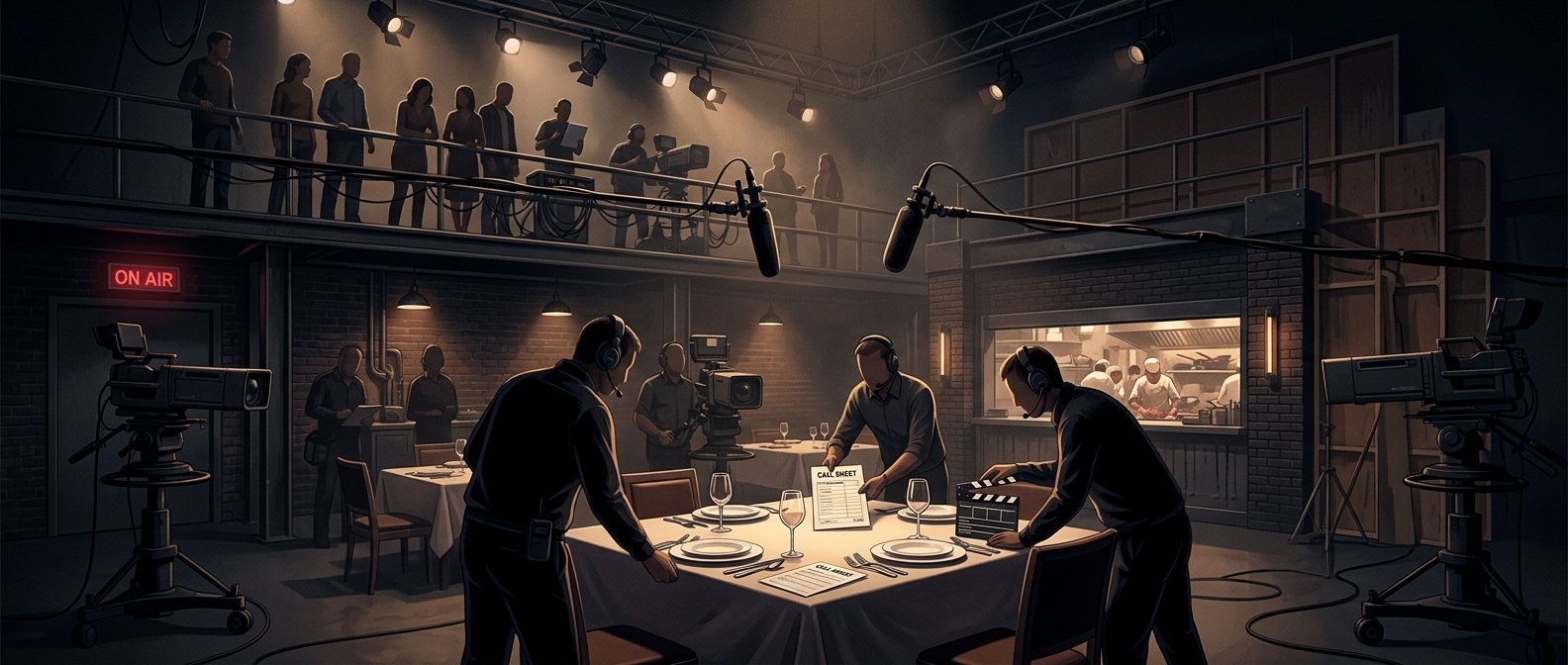
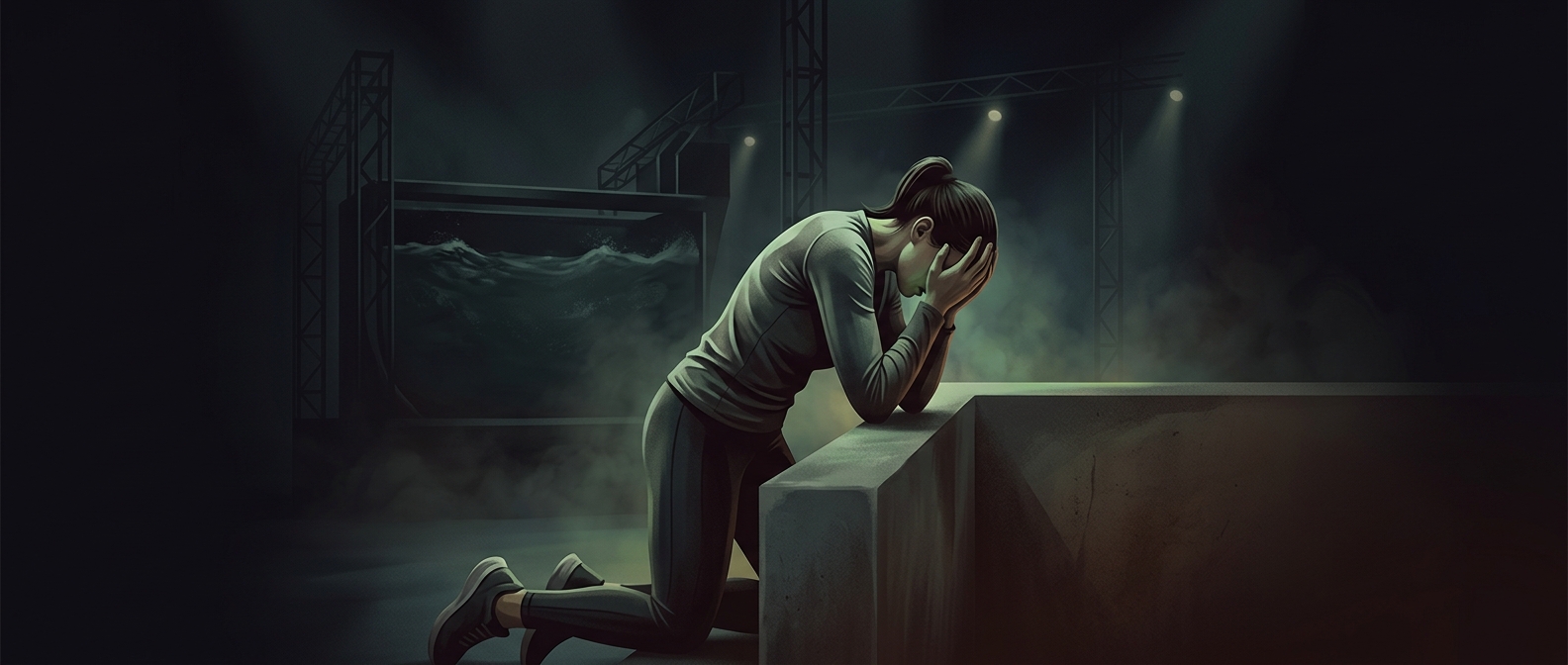
That distinction matters on a set. A contestant’s visible struggle can make compelling footage, but severe nausea can interrupt the task and require a pause. The crew may need to stop filming while the person recovers or the area is cleaned. If a moment has to be filmed again, the discomfort may not neatly reset with the cameras: the sight or smell of the food can bring the reaction back.
The body does not follow the edit
Reality television can shape a challenge, choose what to show, and build suspense through editing. It cannot make a gag reflex happen on cue—or reliably make it stop. That leaves producers balancing a usable scene against the practical limits of a contestant’s ability to continue.
The uncomfortable part, then, is not merely that an eating challenge looks revolting. It is that the same involuntary reaction that makes the scene vivid can also halt the filming that captures it.