Why a steam train could poison its own passengers
A steam locomotive burns fuel to heat water, but the fire does not always burn cleanly. When combustion is incomplete, it produces carbon monoxide, a gas with no reliable color or smell to warn people nearby. The locomotive’s exhaust normally disperses into the open air; inside a long tunnel, it can linger instead.
A stalled train kept the exhaust in one place
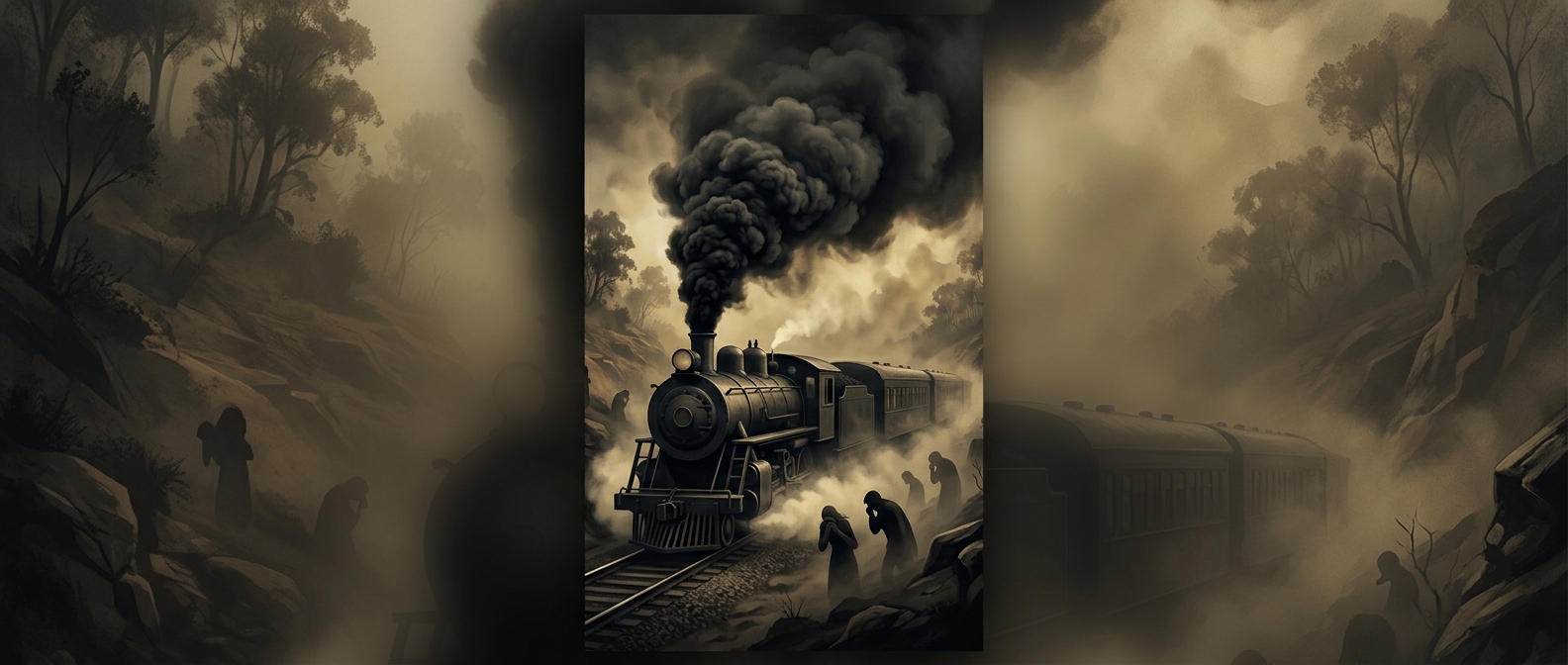
A moving train carries its exhaust along and out of the tunnel. Once the train stopped, its locomotives continued producing fumes without carrying them away. The tunnel’s limited airflow could not clear the gas as quickly as it accumulated, while passengers in and around the coaches remained exposed.
Carbon monoxide is dangerous because it attaches to hemoglobin—the protein in red blood cells that carries oxygen—more readily than oxygen does. As the gas enters the bloodstream, less oxygen can reach the body’s tissues. A person may become confused or incapacitated before recognizing the cause, making escape harder in a dark, crowded passage.
The tunnel turned a mechanical failure into a human disaster
The train did not need to catch fire for its passengers to be in mortal danger. The lethal chain was quieter: a locomotive kept burning fuel, a stalled train held its exhaust inside an enclosed space, and poor ventilation allowed exposure to continue. The same tunnel that confined the train also confined the fumes.