Why a phone’s screen has a notch
A display can fill nearly the entire front of a phone only if the parts that need to face outward go somewhere. The selfie camera needs a clear view of the user; the earpiece needs an opening for sound; and some phones also place light, proximity, or face-recognition sensors near the top edge. A notch is a shaped gap in the display that leaves room for some of this hardware while reducing the surrounding border.
The cutout changes what the screen can show
A screen is a grid of tiny light-producing elements, but the camera and other components occupy physical space behind it. At the notch, there are no display pixels to show an image. The software therefore treats that area differently: status symbols and other interface elements can sit to either side, while full-screen video or games may leave the cutout as a dark interruption—or extend the picture around it, depending on the app and settings.
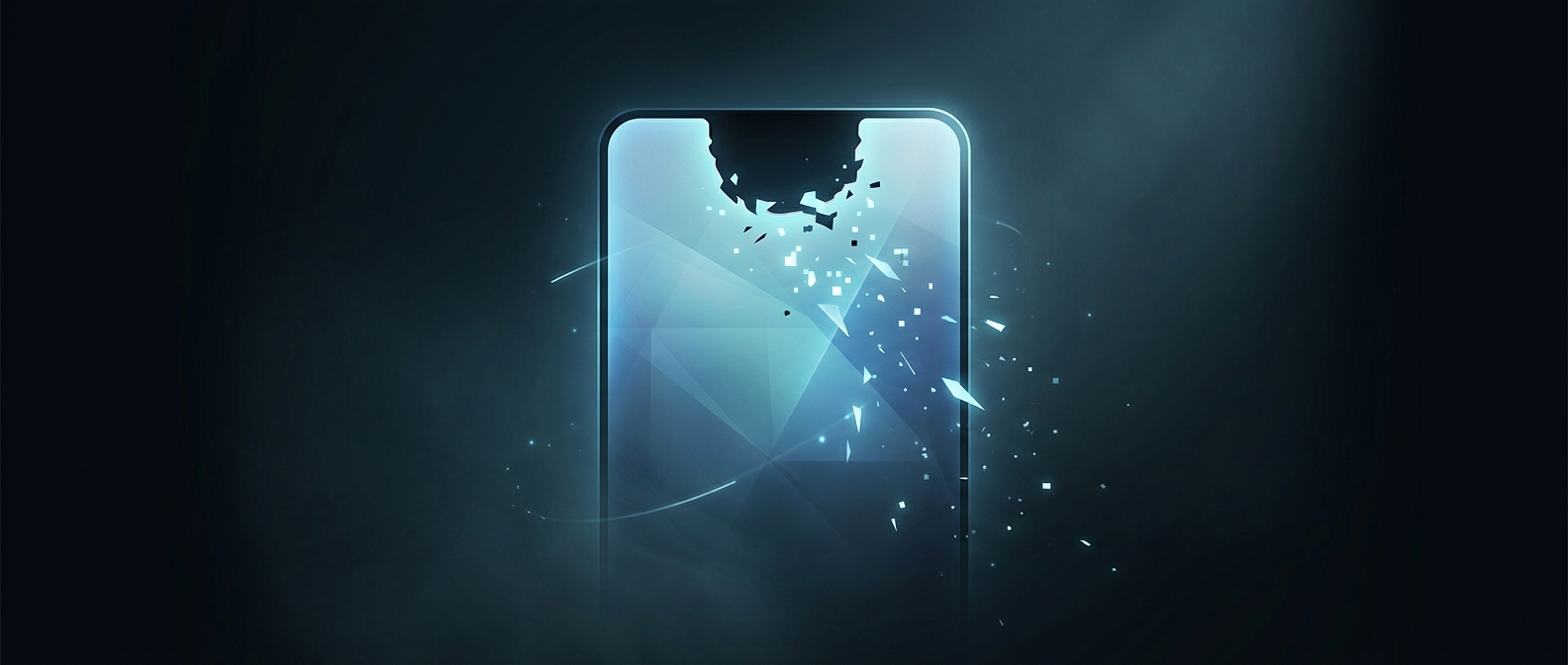
That tradeoff is most noticeable when content is meant to fill the whole screen. On an ordinary page, the notch may blend into the status bar; in a bright, edge-to-edge scene, it becomes a visible bite out of the image.
Why the hardware cannot simply disappear
Moving a camera beneath the display sounds like a clean fix, but a layer of screen in front of the lens can interfere with incoming light and image quality. Other approaches, such as a small hole in the display or a camera that rises from the phone’s body, shift the compromise rather than eliminate it: they affect the screen, the phone’s moving parts, or its design. The notch is therefore a record of a practical engineering choice—trading a small patch of usable display for hardware that still needs access to the outside world.