Four steps, not a slider
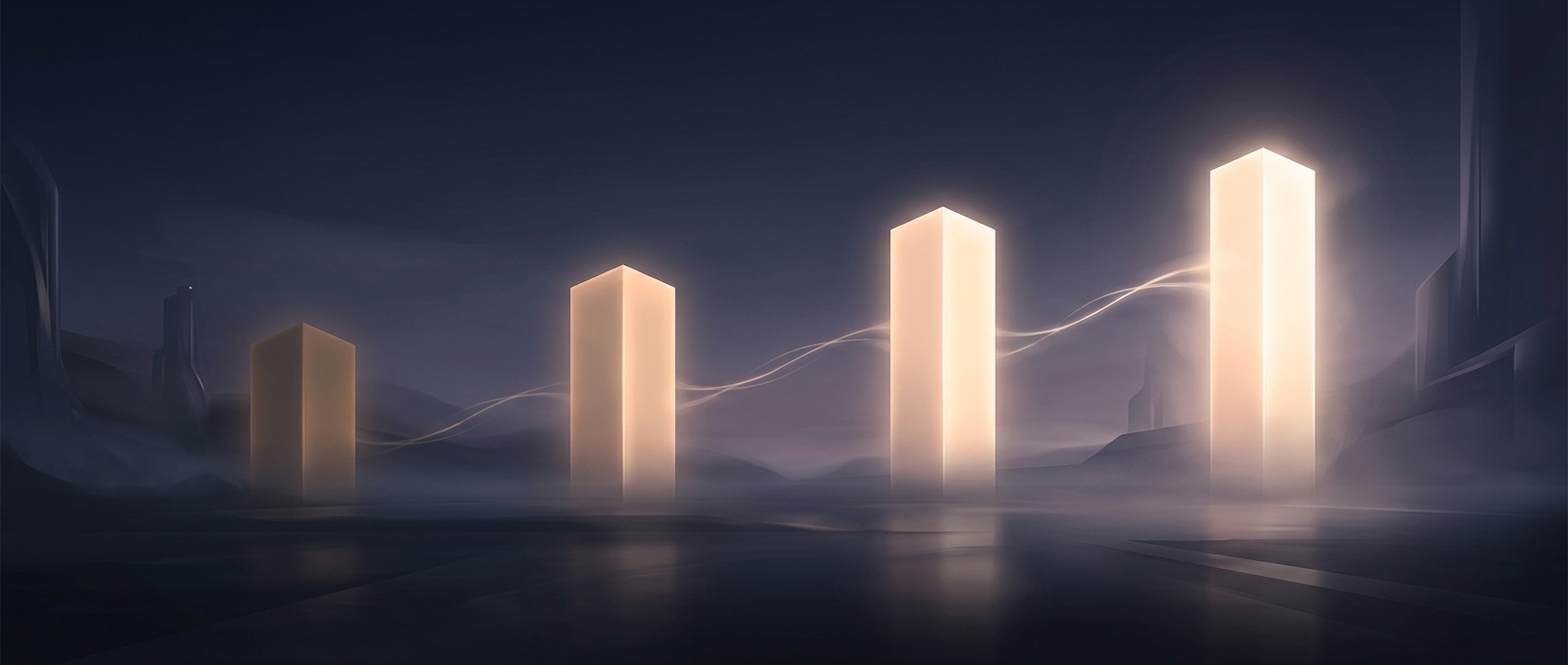
The DS Lite treated screen brightness as a set of four presets. You could move from one level to the next, but you couldn’t choose an in-between value. That made adjustment quick and predictable, yet it also meant the screen might jump from seeming too dark to feeling uncomfortably bright.
The difference is between discrete and continuous control. A slider offers a range of values; the DS Lite’s controls offered only four choices. The console could change the screen’s backlight—the light behind the LCD—between those preset levels, but players had no fine-grained control over the steps between them.
A small tradeoff with real consequences
The best setting depended on where and how someone was playing. A dimmer level could be easier on the eyes in a dark room and use less backlight power; a brighter one could make the image easier to see in a brightly lit place. But with only four options, the right setting for one environment might not work well in another.
That limitation was especially noticeable on a handheld, which moved between rooms, cars, and outdoor light. Instead of nudging brightness a little at a time, players had to settle for the nearest preset—or keep cycling until one felt acceptable. The four-step design made adjustment simple; its cost was that “almost right” wasn’t an option.