A projected image can fool a camera—but it is not a road obstacle
A projector can put a bright shape on pavement that a camera records as something unusual. In controlled demonstrations, researchers have used carefully placed light patterns to make image-recognition systems misread what they see. That is different from making a convincing, full-sized person appear on a highway: a beam of light cannot block the car’s path or produce the physical depth and motion cues of a real pedestrian.
The risk is that a vehicle’s software may still react to a mistaken camera reading. Depending on the system, that reaction could include slowing down or braking. Whether a particular projection can trigger such a response depends on the camera, the software, the lighting, and where the image is cast; it is not a simple trick that reliably makes cars swerve.
Sensor fusion checks whether signals agree
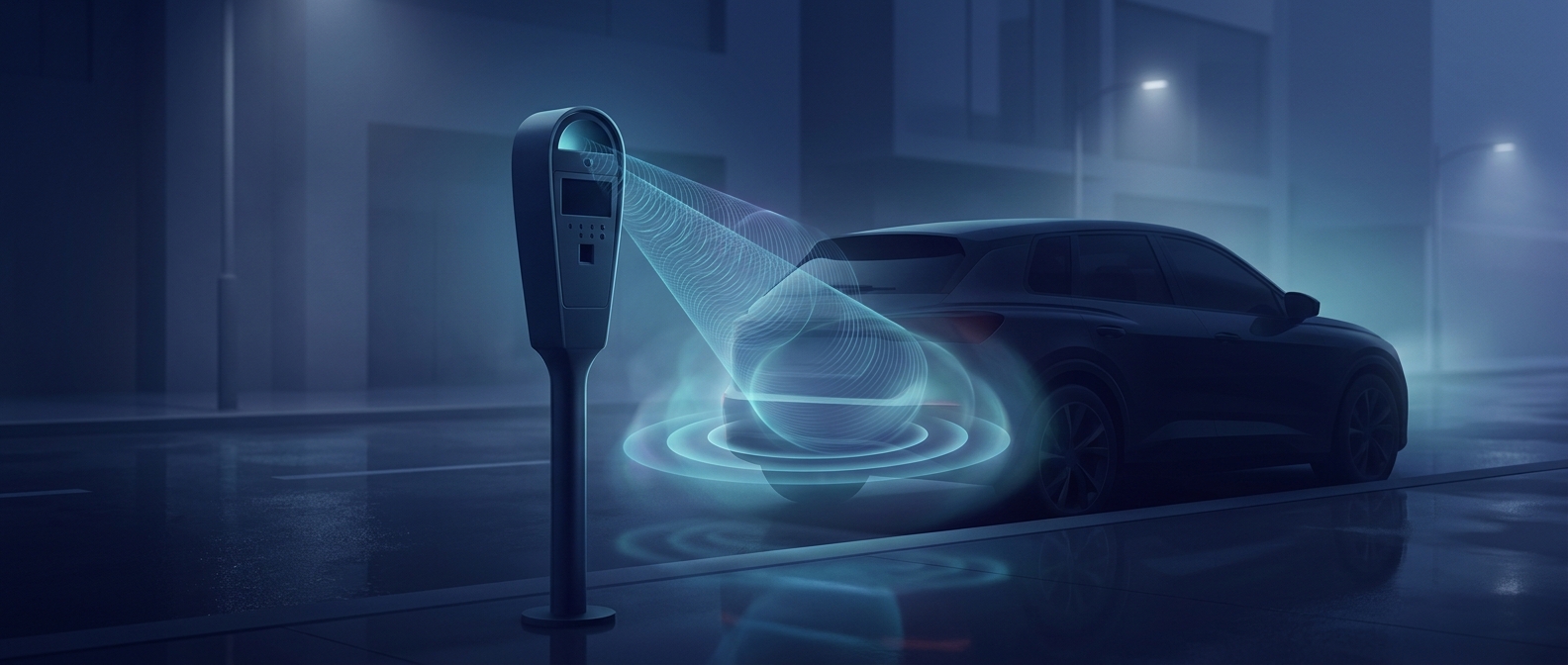
Self-driving systems can combine cameras with other sensors, such as radar. A camera captures visual detail, while radar measures radio-wave reflections to estimate the distance and movement of objects. A projected picture may appear in the camera image, but it does not create the same radar return as a physical body. Comparing the two signals can therefore help a system recognize that a visual detection lacks corroboration.
That comparison is not an infallible “reality test.” Sensors have blind spots and measurement errors, and software must decide how to handle disagreement. It may discount a suspicious camera detection, seek more evidence, or respond cautiously. The exact behavior depends on the vehicle and its sensor configuration; it should not be assumed that every car, or every Tesla using Autopilot, has radar or uses the same method.
The practical defense is layered
A robust system does not rely on one sensor—or on an algorithm that simply declares one input false. It can compare measurements over time, check whether an apparent object moves consistently, and use other available sensors to assess whether something occupies the road. The key distinction is concrete: light can alter what a camera sees, but it cannot by itself create the physical object that radar and other sensors are meant to detect.