How a Tug Moves a Barge
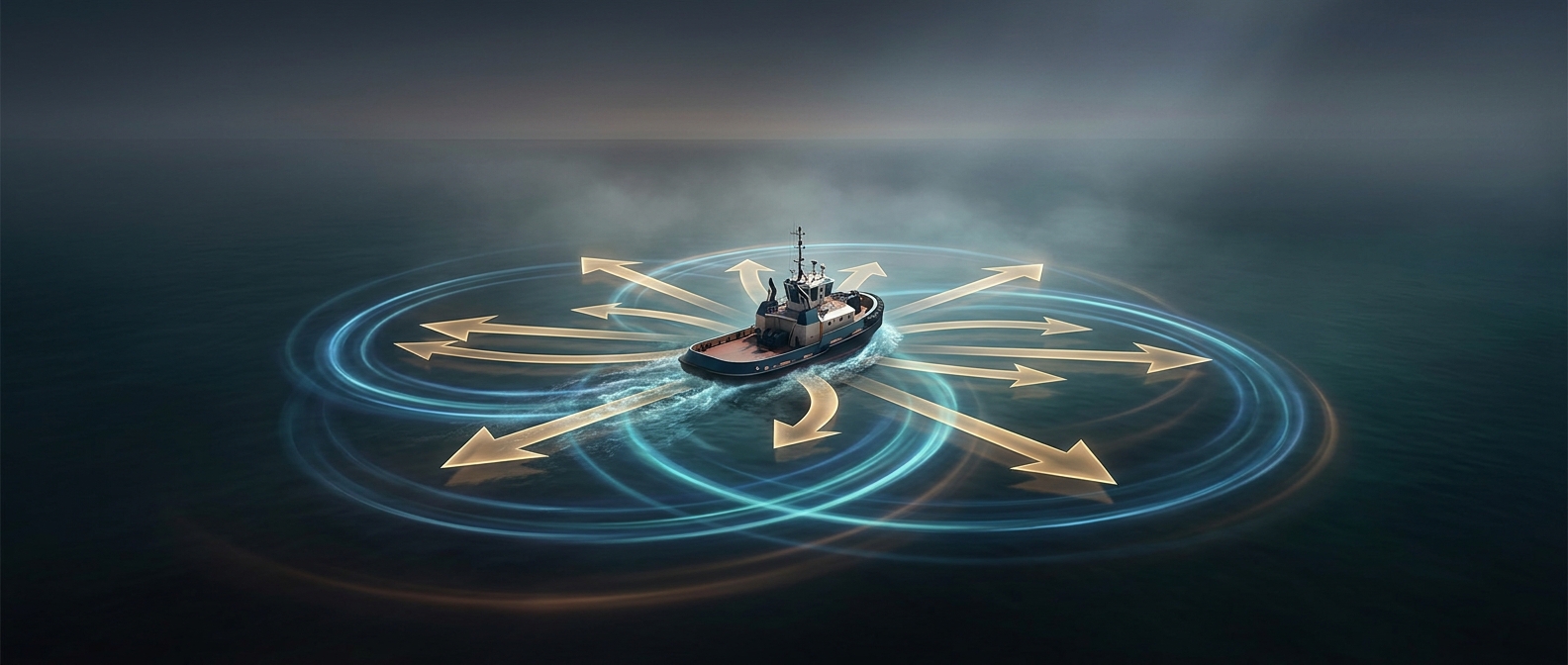
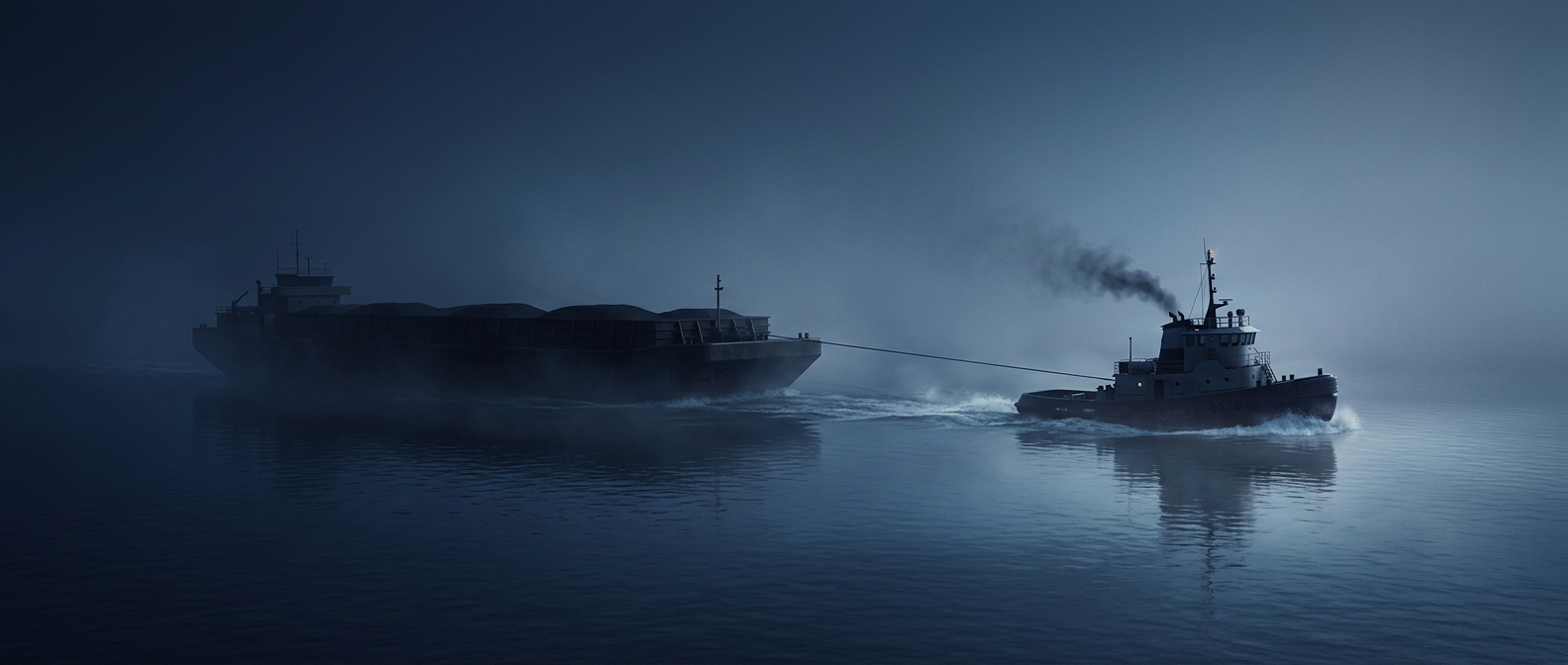
A barge is a floating cargo platform, not a self-propelled vessel. To move one, a tug must transfer force to it—usually by towing it on a line or by pushing against its stern. The tug’s steering and propulsion then determine the barge’s speed and direction. Because the barge has no independent engine to correct its course, its movement depends on how the tug handles the connection and the water around them.
One Tug, Different Loads
Separating propulsion from cargo creates a useful division of labor. A barge can be built around carrying freight, while the tug provides the machinery and crew needed to move it. The same tug can work with different barges as jobs change, rather than each cargo platform needing its own propulsion system. That arrangement can make it practical to leave a loaded barge at a destination and take the tug elsewhere.
The connection also shapes how the pair handles. A towed barge follows behind the tug, while a pushed barge is kept ahead of it; either way, the operator must account for the barge’s momentum and the space the combined vessels occupy. The barge carries the load, but the tug has to maneuver the whole moving combination.