Why Erta Ale can keep a lava lake
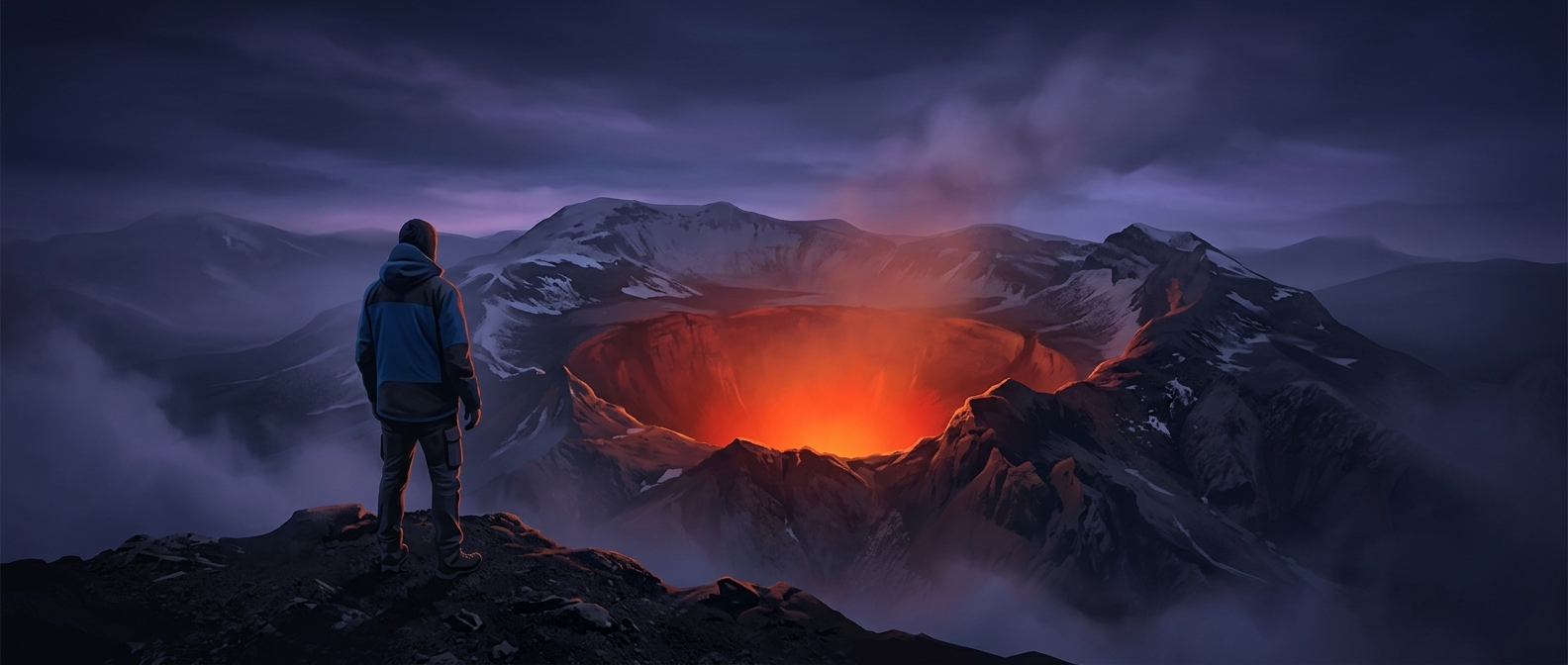
Erta Ale rises from Ethiopia’s Afar region, where the Earth’s crust is being pulled apart. As the crust thins, magma can rise through it. At the volcano’s summit, an open vent allows some of that molten rock to collect in a crater rather than cooling into a solid plug.
The lake is not a still pool. Hot magma rises while cooler material sinks, creating circulation beneath a shifting surface crust. Gas escaping from the magma can make the surface bulge, crack, and glow. This movement helps keep fresh heat near the top, though the lake’s size and appearance can change as magma supply and conditions in the vent vary.
A landscape shaped by heat and exposure
Erta Ale is a broad, relatively low-sloping volcano built from fluid basaltic lava—the kind that can travel farther before hardening than thicker, stickier lava. Its name is often translated as “smoking mountain,” a fitting description in the dry Afar landscape, where heat and sparse water make the setting feel especially stark.
The lake’s recorded activity reaches back to at least 1906, but that does not mean its visible surface has stayed unchanged. A lava lake can drain, refill, or become partly crusted over while magma continues moving below. Its persistence is a record of an active connection between the surface crater and the magma system beneath it.
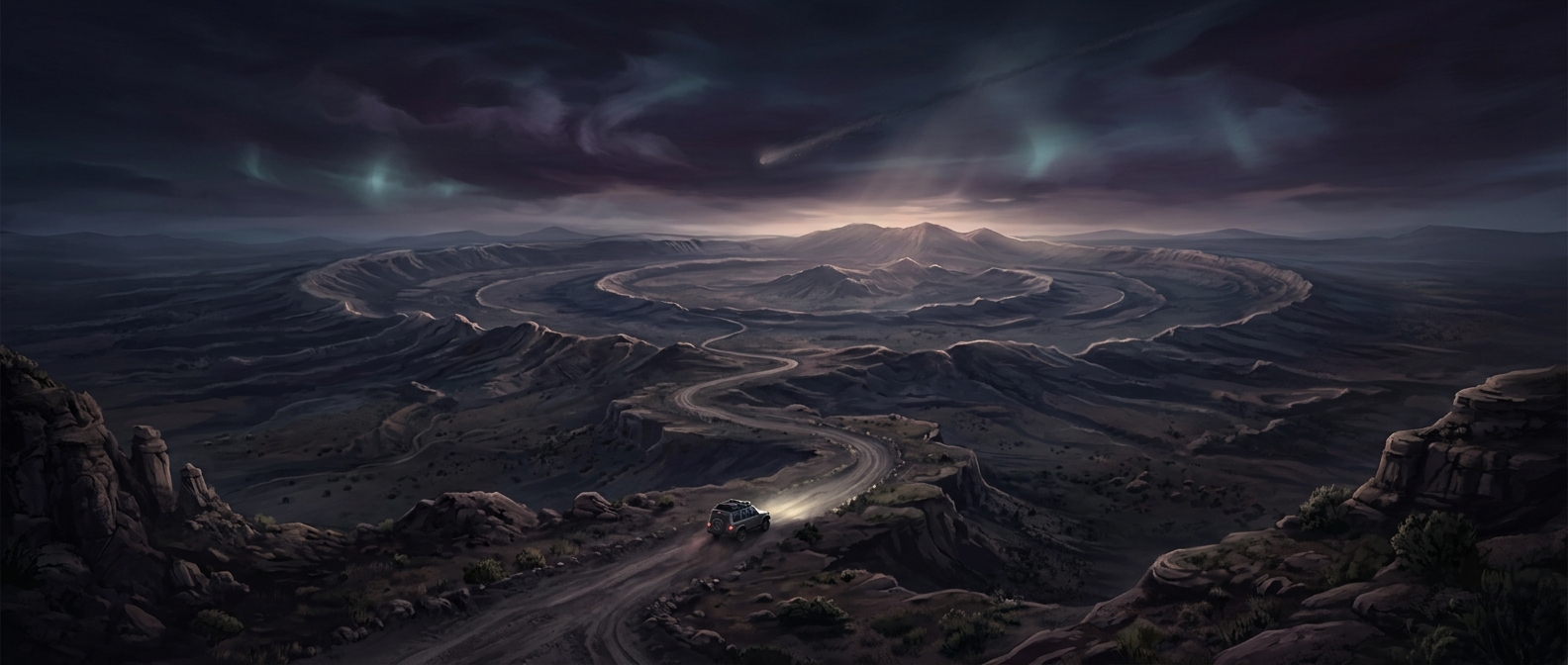
For visitors, the spectacle is inseparable from the terrain that makes it possible: reaching the crater means traveling through a remote, intensely hot region and approaching an active volcanic vent. The glow is not simply a permanent feature to view from afar; it is the visible sign of molten rock continually exchanging heat and gas with the atmosphere.