The transistor changed what a computer could be
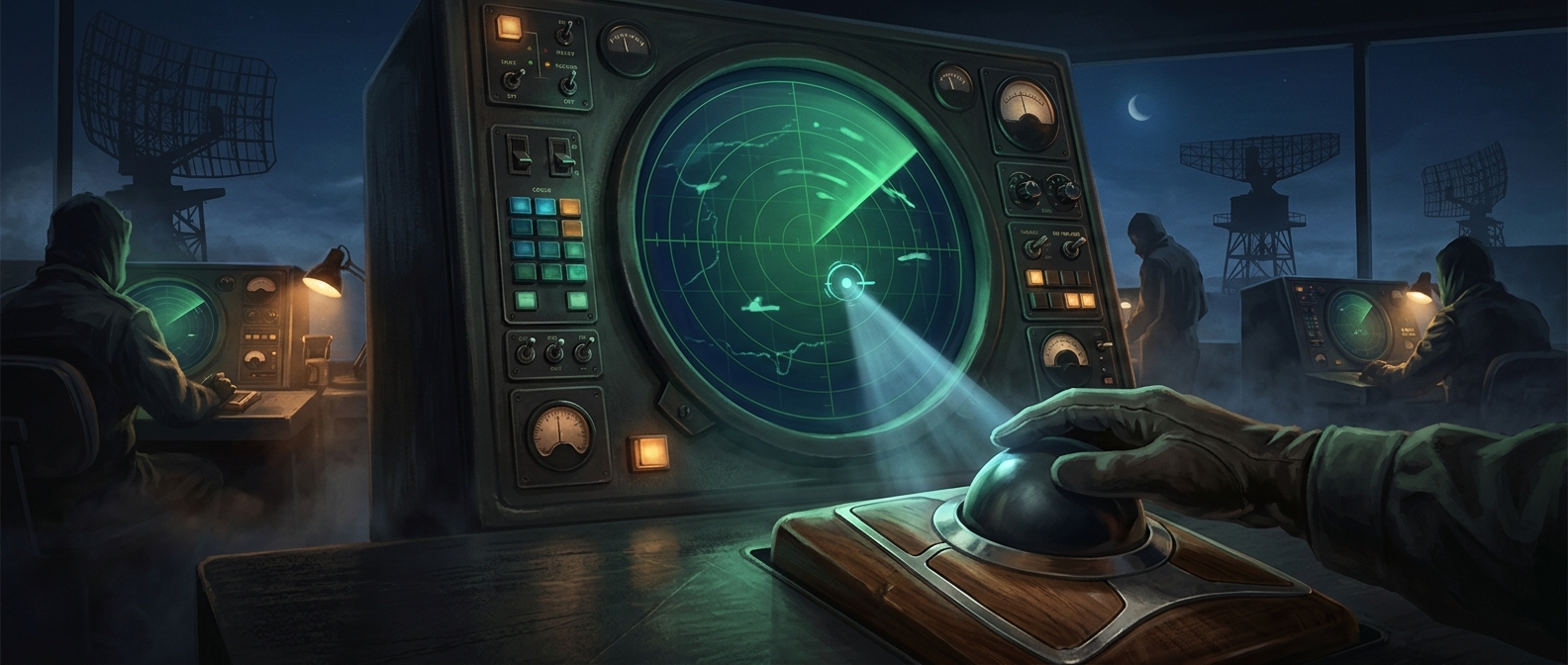
Early electronic computers relied on vacuum tubes: glass components that controlled electrical signals but were bulky, hot, and prone to failure. A machine built from thousands of them needed extensive space, steady power, and technicians to keep it running. The transistor, developed in the late 1940s, performed a similar switching and amplifying job in a much smaller, sturdier form. That made computers easier to build and maintain—and opened the way to fitting far more computing into the same space.
From smaller switches to personal machines
The next leap came when manufacturers placed many transistors and their connections together on a single piece of semiconductor material, creating an integrated circuit. As engineers learned to fit more components onto each chip, a computer’s essential operations could be concentrated in a compact, mass-produced part. The microprocessor—essentially a computer’s central processing functions on a chip—helped make small, affordable personal computers practical, rather than reserving computing for institutions able to house and operate large machines.
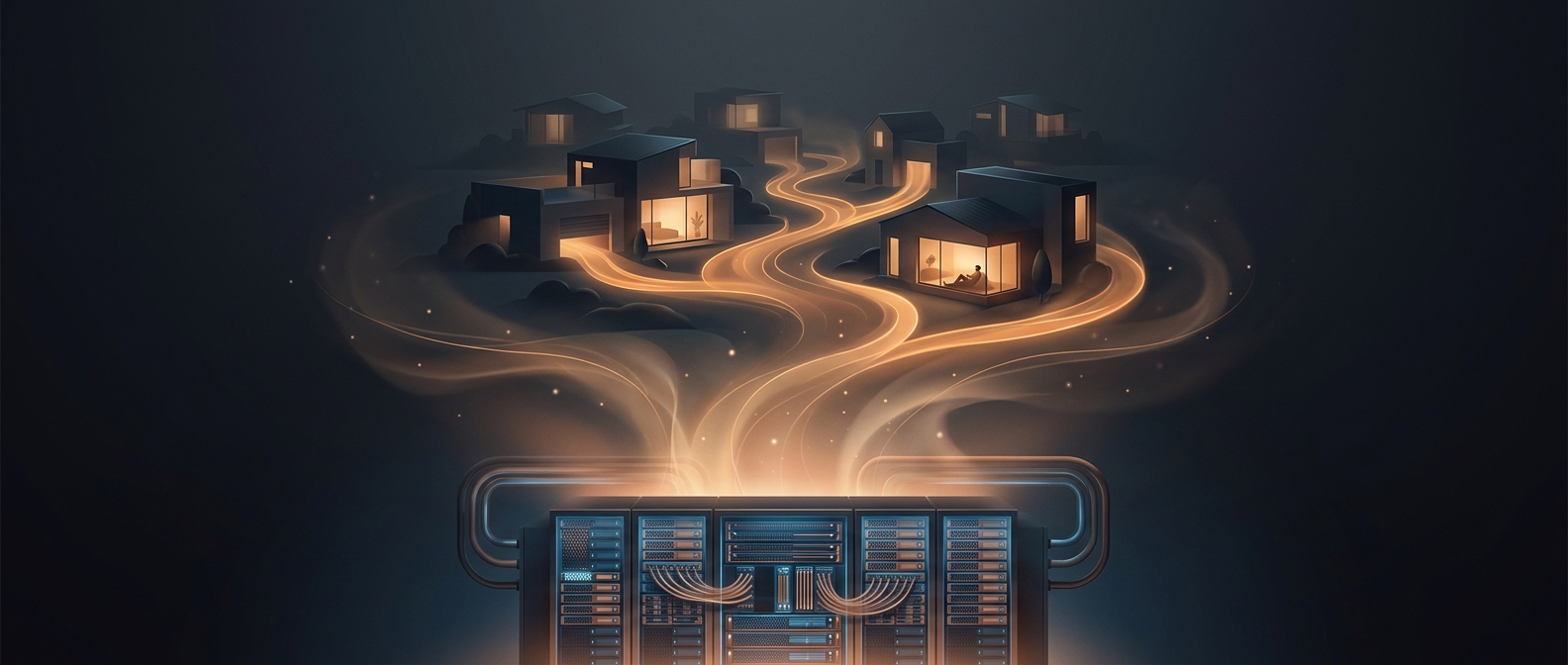
Shrinking components also changed the economics of computing. Standardized chips could be made in large quantities and incorporated into products made by many companies. A computer no longer had to be a dedicated room-sized installation; it could become a tool that an individual owned, programmed, and used for personal work or play.
When computing left the desk
Smaller, lower-power components made portable devices possible, but miniaturization alone did not put a computer in every pocket. Batteries, screens, storage, communications networks, and software had to become practical too. Their convergence turned the mobile phone into a general-purpose computer, used not only to consume information but also to create, publish, and coordinate it.
That shift redistributed influence: more people could build software, share ideas, and choose how to use computing without controlling a mainframe or belonging to a specialized lab. The hardware became less visible, but its consequence was tangible: the power once tied to a dedicated room could travel in a pocket.