What Happens Inside a Fresh Instant Photo
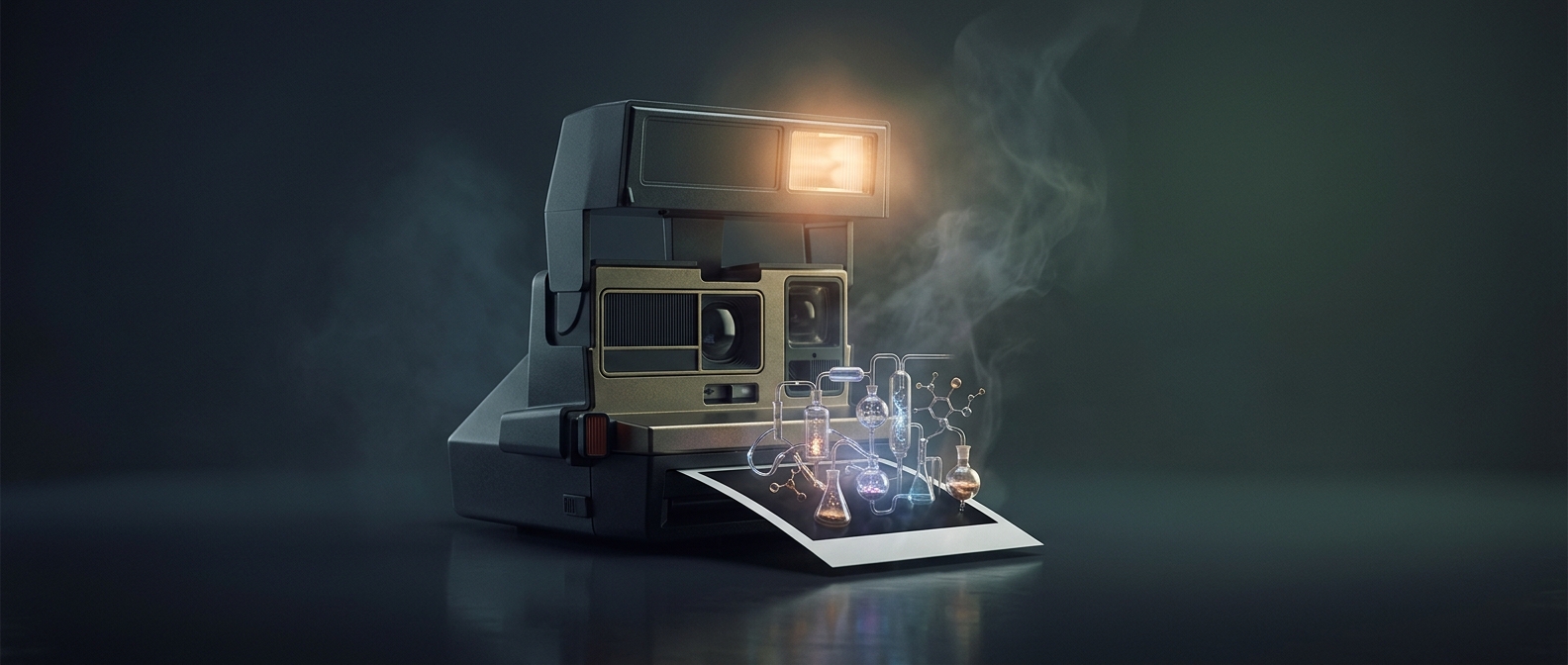
When an instant camera ejects a photo, rollers squeeze a small pod of processing chemicals and spread them across the film. The image then develops inside a sealed stack of layers: light-sensitive materials react, and colored dyes form the visible picture. At first, that picture is still changing.
The chemicals are thick and confined between layers, not loose liquid sloshing around. But while they are being distributed and the image is emerging, rough movement can interfere with an even spread. That may leave streaks, patches, or other distortions instead of a clean, consistent image.
Why Shaking Is the Wrong Move
The familiar urge to shake a new photo comes from the idea that motion helps it dry. Instant film does not develop by drying in the air; its chemistry is working inside the sealed print. Shaking adds no useful step, and it can jostle the developing layers at the moment they are most vulnerable.
A safer approach is to handle the photo gently and let it develop according to the film’s instructions. The image is not a wet surface that needs to be shaken dry—it is a small chemical process still unfolding inside the print. That is why one vigorous shake can turn a crisp moment into a visibly uneven one.